
50 years in Amador County · Lifetime warranty · Free in-home estimates
Rated 4.9 from 98 Google reviews
“When they came to take out the carpet at our entry way, they found the wood was wet, they quickly realized we should let it dry prior to putting in the LVP. When it dried, they were quick to squeeze us into their schedule. They completed the install, and it is beautiful!”
01 / 02
Related Luxury Vinyl Plank Options
Explore other luxury vinyl plank styles and projects we handle.
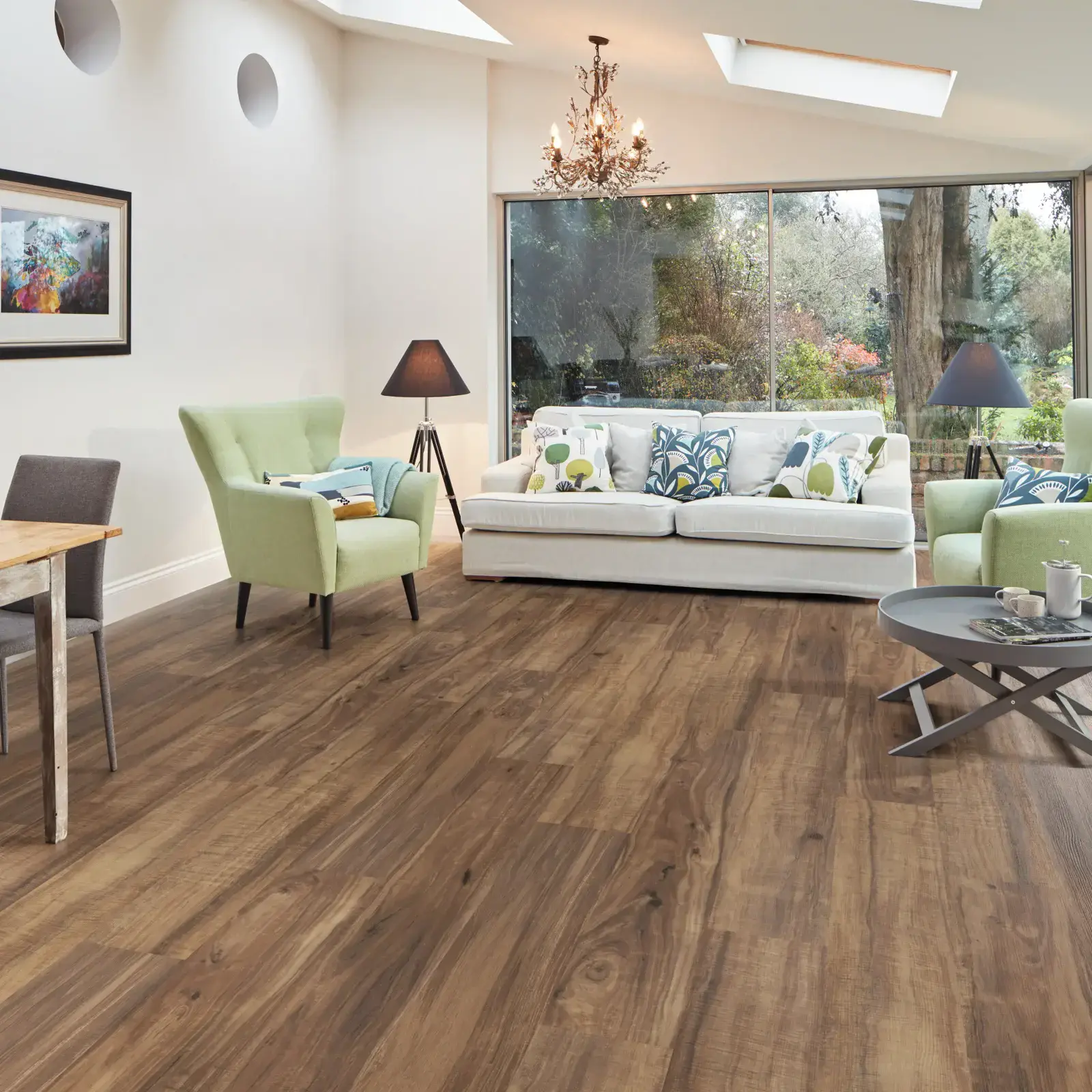
Wood-Look LVP
Realistic wood-grain visuals and textures, the look of hardwood without the worry.
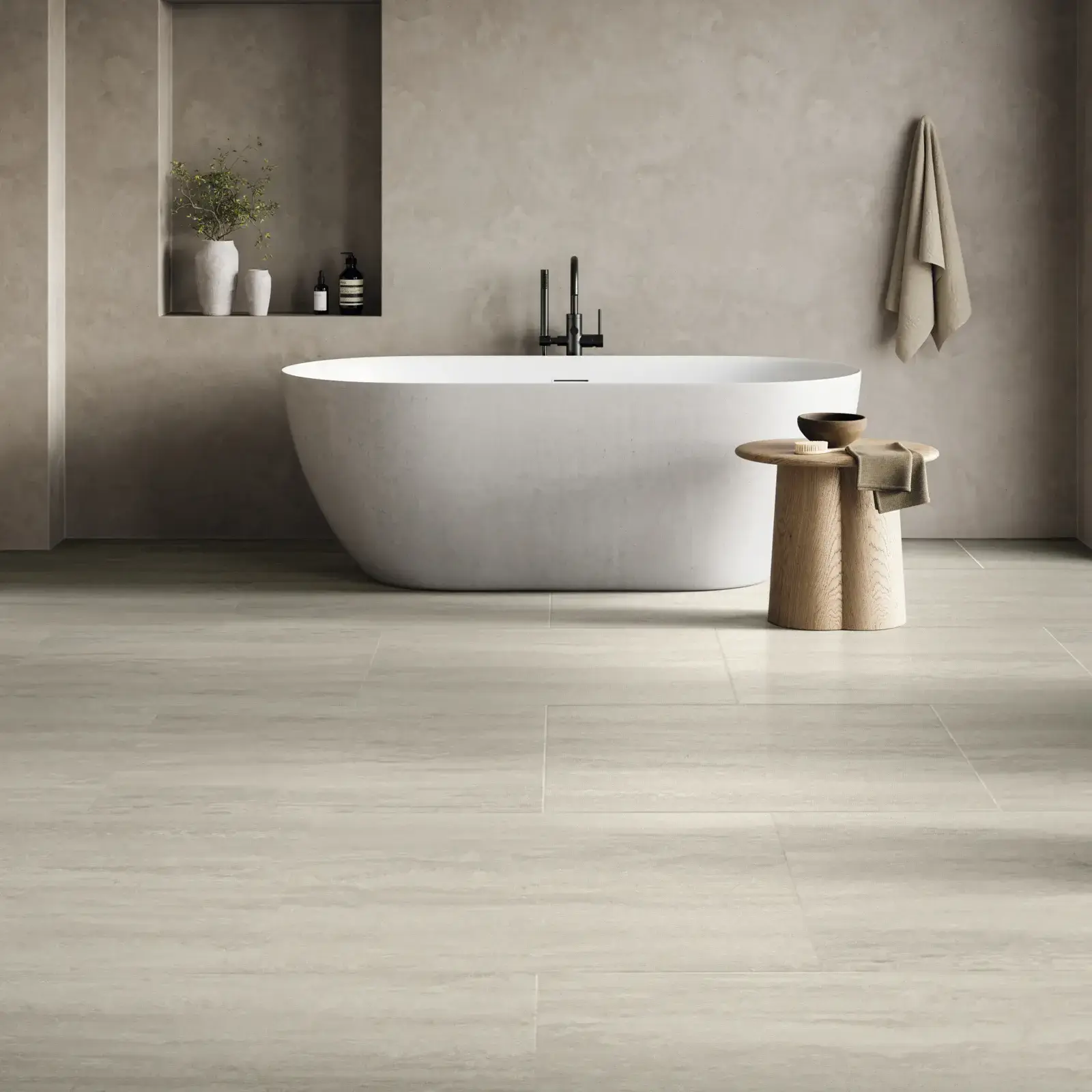
Stone-Look LVP
Travertine, slate, and marble visuals with the warmth and softness of vinyl underfoot.
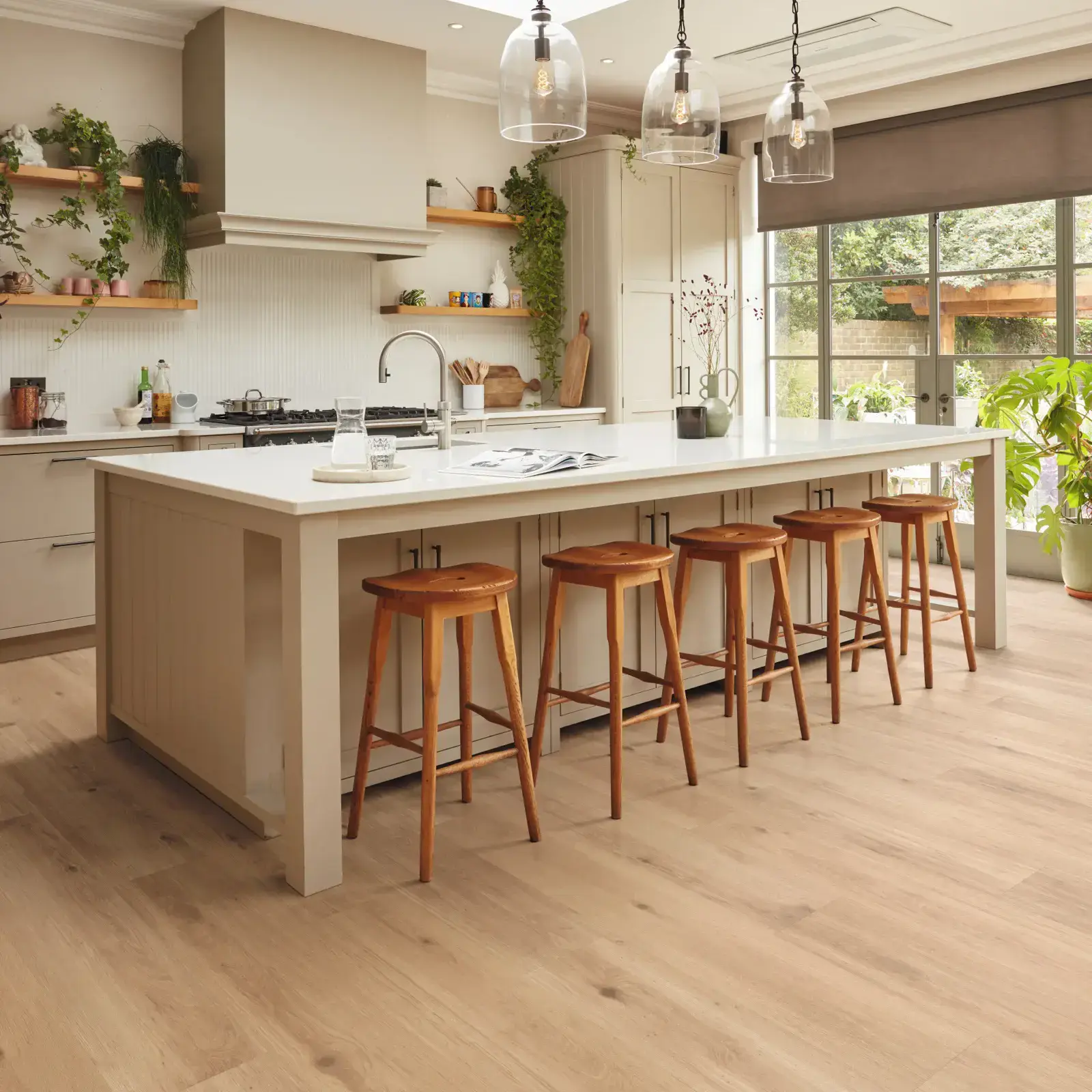
Kitchen LVP
Waterproof flooring that handles spills, drops, and high traffic.
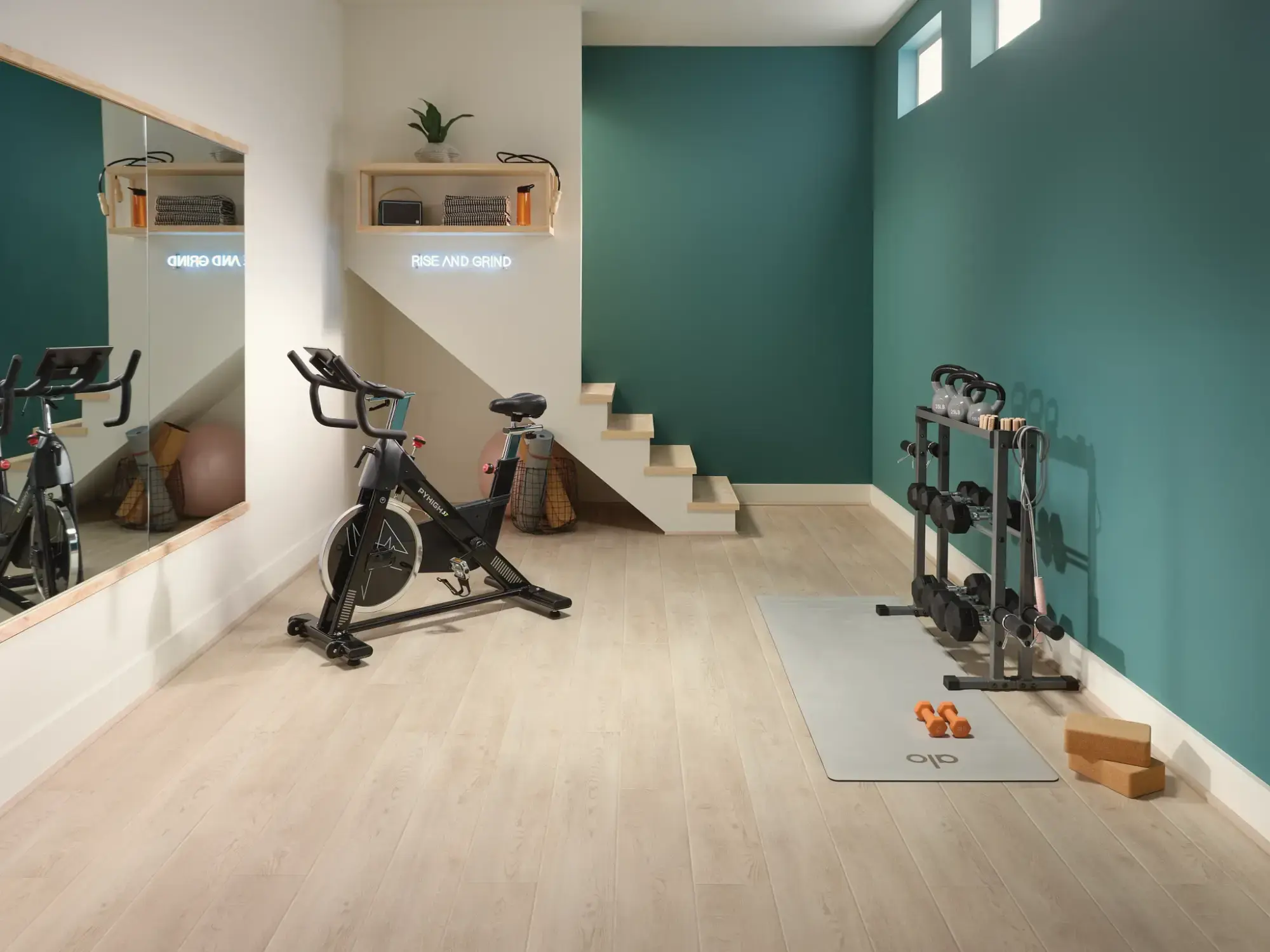
Basement LVP
Stable, moisture-resistant flooring built for below-grade installs.
Luxury Vinyl Plank Guide
Ready to Have Luxury Vinyl Plank Installed in Your Amador County Bathroom?
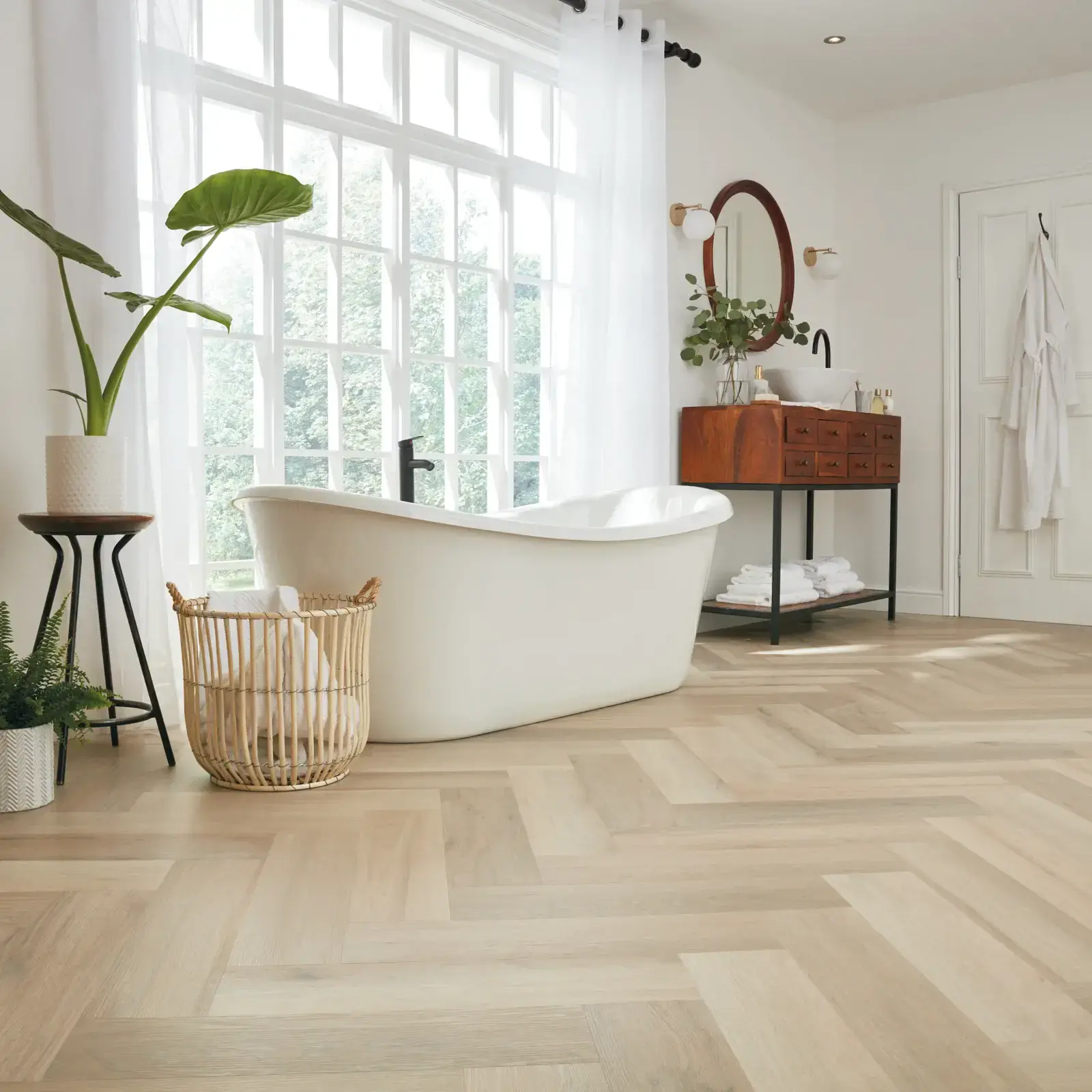
Bathrooms are the room where LVP earned its category dominance. Before fully waterproof rigid-core LVP existed, the only safe bathroom floor was tile, sheet vinyl, or a moisture-resistant laminate that homeowners still had to baby. Modern waterproof LVP changed that. The same SPC or WPC core, photorealistic wood or stone print, and clear urethane wear layer that work in a kitchen handle a full bathroom (toilet, vanity, tub, shower threshold) without the cold-underfoot character of ceramic or the grout sealing that comes with it. Wood-look LVP in a bathroom is one of the most popular requests now because it carries the wood aesthetic of the rest of the house into a room hardwood was never going to survive in. Stone-look LVP in a bathroom delivers the visual weight of a tiled floor with painted bevel grout lines that read as real grout at standing height. Amador County bathroom remodels in Sutter Creek, Jackson, Pine Grove, and Martell now default to waterproof LVP for primary baths, guest baths, and powder rooms unless the homeowner specifically wants the look and heat-retention of a real tile floor.
Read the full luxury vinyl plank guideShow less
The specs that matter most in a bathroom install are core construction, slip resistance, seam treatment, and transition details. The core must be fully waterproof (SPC or WPC), not "water-resistant" laminate, because bathroom floors take standing water from shower splash, tub overflow, and post-shower foot traffic in ways no other room does. Slip resistance is measured as a dynamic coefficient of friction (DCOF) rating under ANSI A326.3; a rating of 0.42 or higher is the threshold used for wet residential floors, and most bath-rated LVP lines list this on the spec sheet. Click-lock joints on modern SPC and WPC planks are engineered to keep splash and drip water from migrating between planks, but the perimeter of the room (where the floor meets tub, shower, vanity, and toilet) should still be sealed with a flexible color-matched silicone to handle the inevitable standing water. Mold and mildew resistance is built into the core (no organic material to feed on) and dramatically outperforms the felt-backed or wood-backed sheet vinyl that used to be the default. Compared to bathroom tile, tile wins on permanence, the heat-retention of stone over a radiant system, and absolute waterproofing of a grouted assembly when grout is properly sealed. LVP wins on warmth underfoot without a heat system, drop forgiveness, install speed, and the ability to carry a continuous wood-look or stone-look aesthetic from the bathroom out into the hallway and bedroom. Visit our Sutter Creek showroom to compare DCOF ratings, bevel detail, and core types on bath-rated LVP samples before you choose.
Ready to Transform Your Home?
Get a free estimate from our experienced team. We've been helping Gold Country homeowners since 1976.