
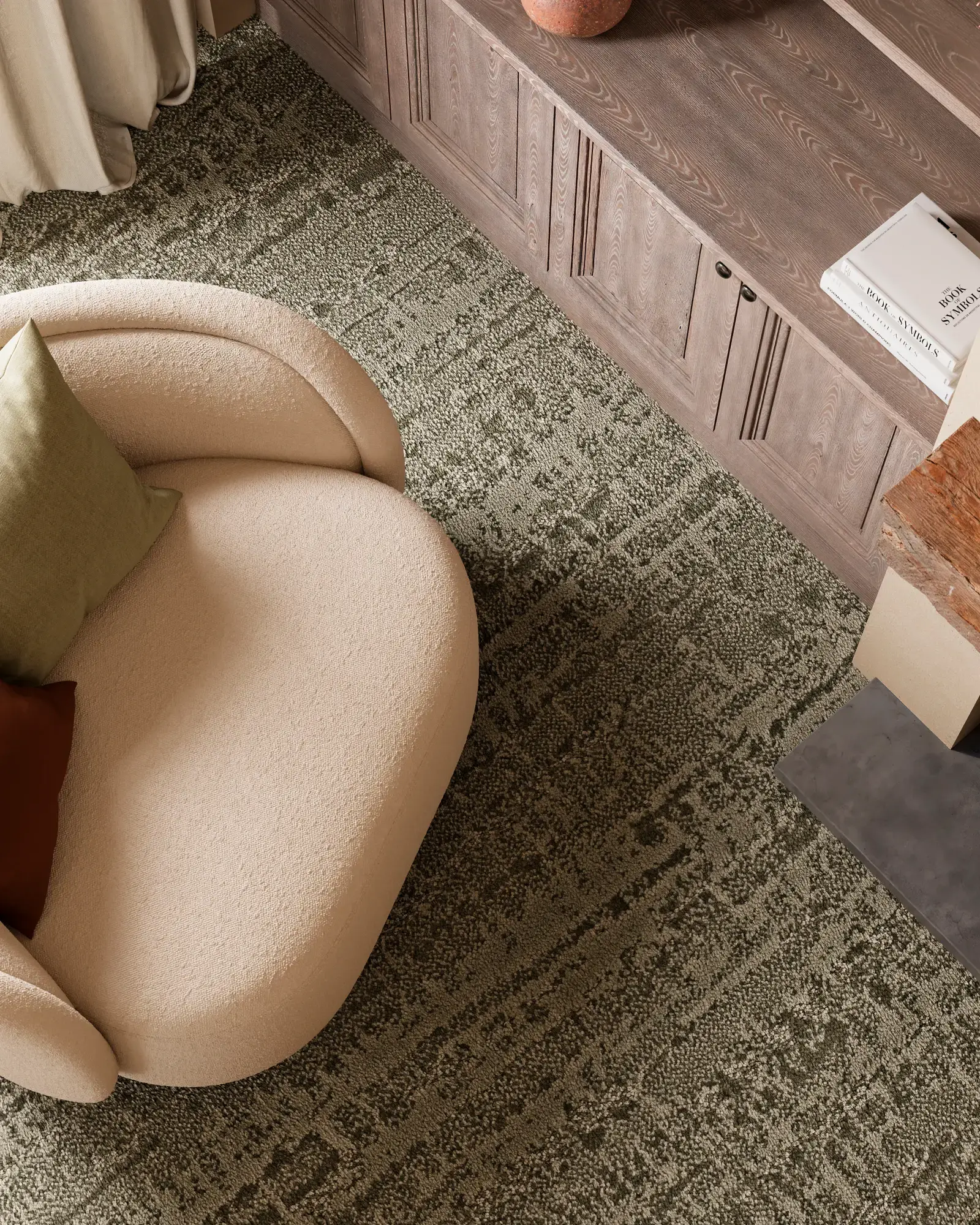
What is frieze carpet flooring?
Frieze is highly-twisted cut-pile: each fiber spirals so the surface looks casual and relaxed. Built to hide footprints, vacuum lines, and everyday wear.
Twisted tufts. Tightly spiraled fibers point in every direction.
Casual texture. Surface hides footprints and traffic patterns.
High-twist yarn. Extra twist count adds resilience under foot.
Woven backing. Holds every tuft secure so the carpet wears evenly.
- Hides wearGreat for busy rooms.
- Relaxed lookCasual, lived-in feel.
- Low maintenanceVacuum tracks disappear.
Why choose frieze carpet flooring?
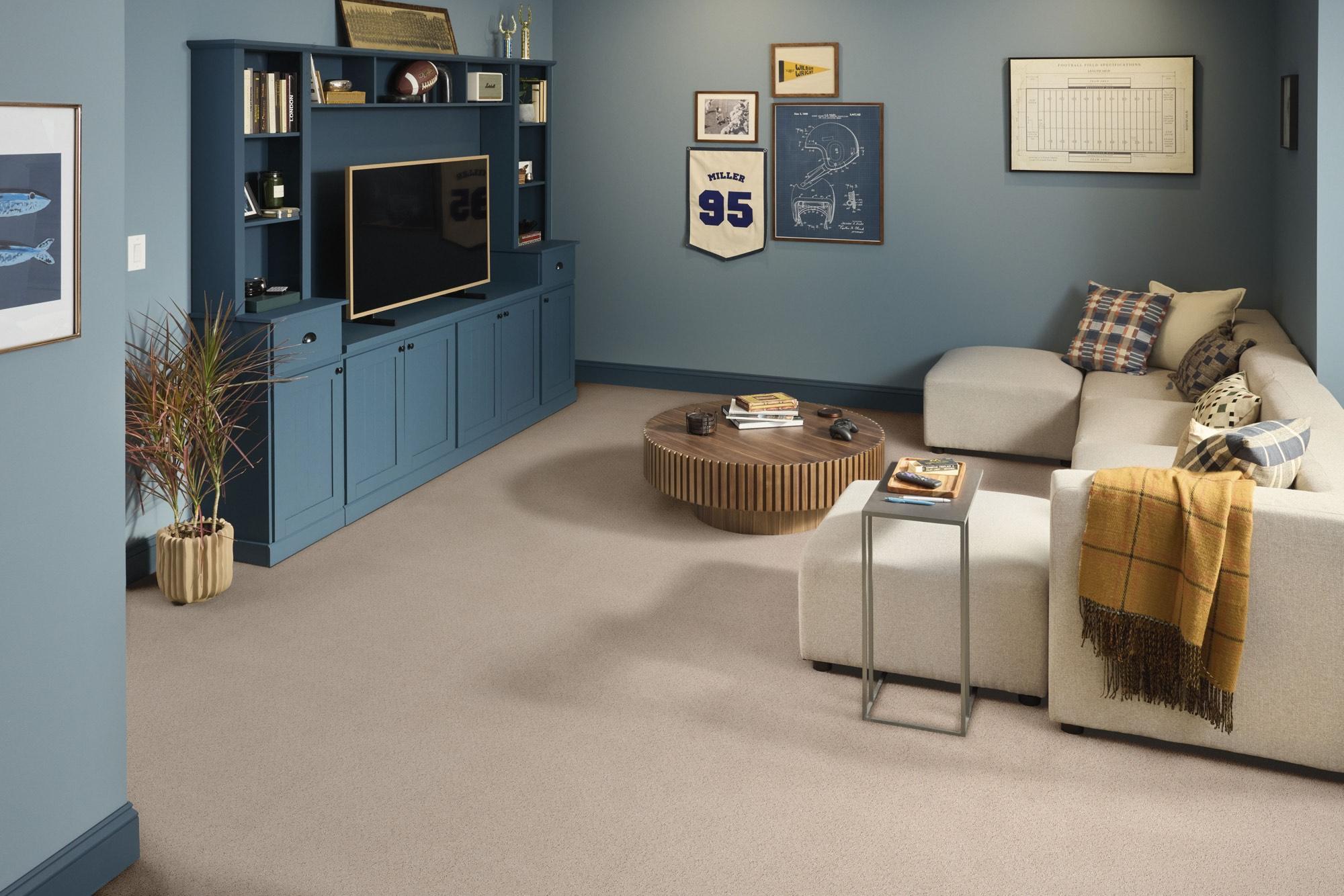
If you're carpeting a basement, a family room, or any space where life happens harder than design, frieze is the answer. The highly twisted yarn hides footprints, vacuum lines, and traffic patterns better than any other carpet construction. Drop something, move furniture, host a crowd, and the surface just keeps going.
Style-wise, frieze leans casual. If you want something more formal or elegant, plush or pattern carpets are better matches. But for pet-friendly homes and high-traffic floors, frieze is the most forgiving option on the market.
Frieze carpet features
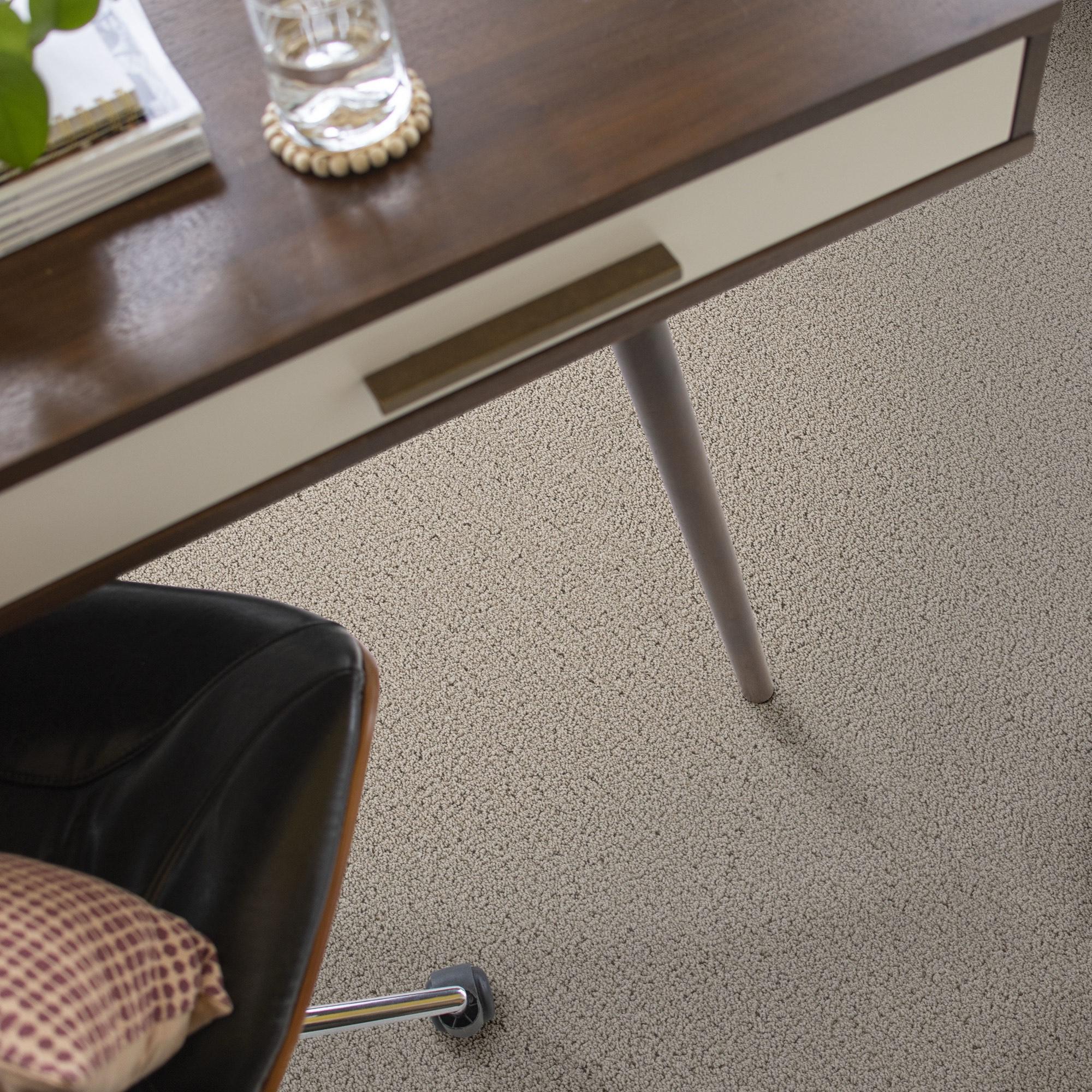
Casual texture, serious durability.
- Twisted-fiber surface masks normal wear and traffic for years.
- Most modern frieze lines ship with built-in stain resistance.
- Casual, lived-in aesthetic that suits transitional and contemporary interiors.
The Frieze Carpet We Carry
Real frieze carpet styles in stock. Filter by color and preview any of them on your own floors.
Designer Style LG
Infinity
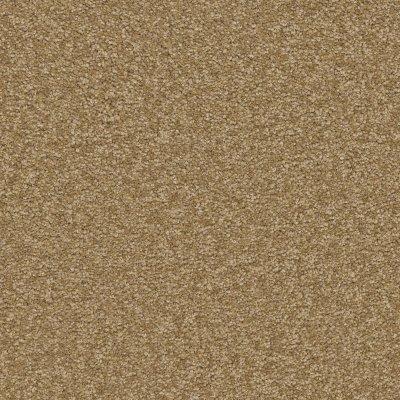
Cascading Light Solid
Abbey Carpet
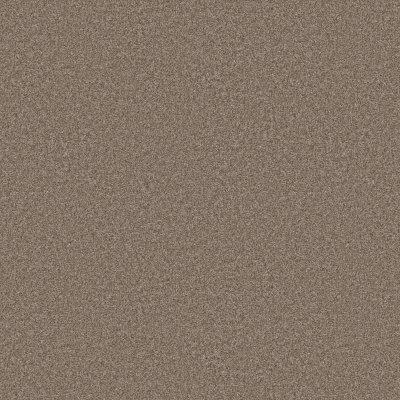
Big Demand III
Infinity petdefense™
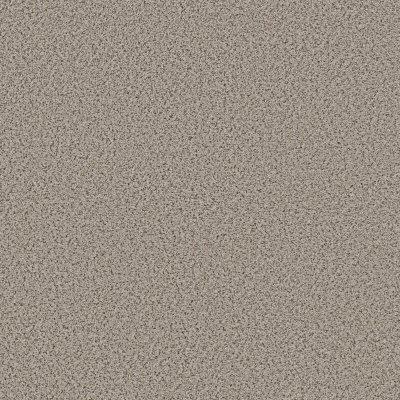
Lawton Drive I
Infinity
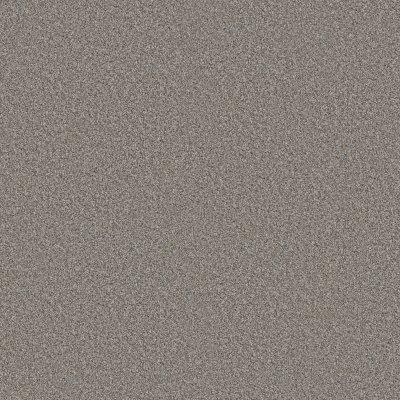
First Star
Infinity
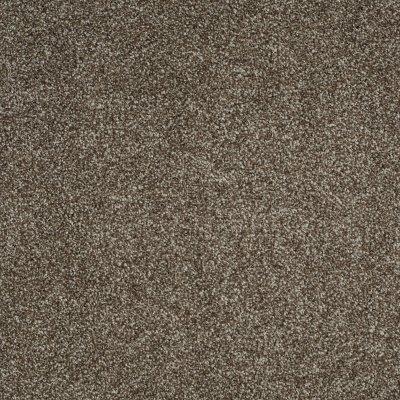
Sabal Springs II
Infinity
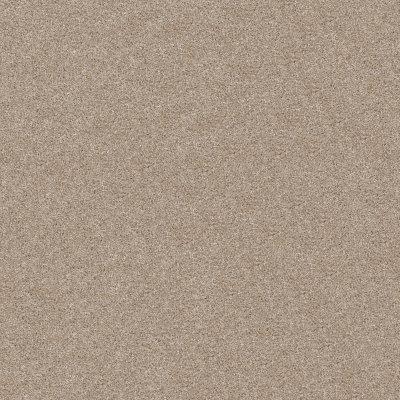
Rambling Lane II
Value
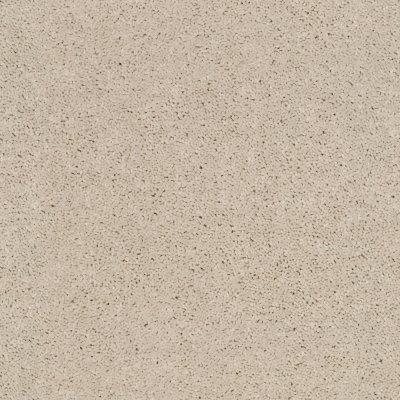
Cab Court Solid
Value

Usery Mountain 12'
American Showcase
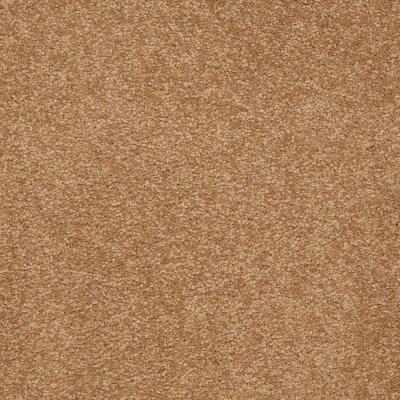
Serenity Beach II 15'
American Showcase
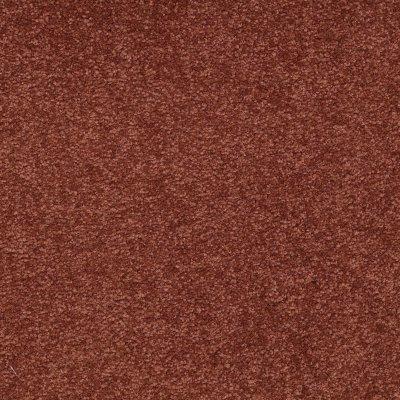
Serenity Beach III 15'
American Showcase
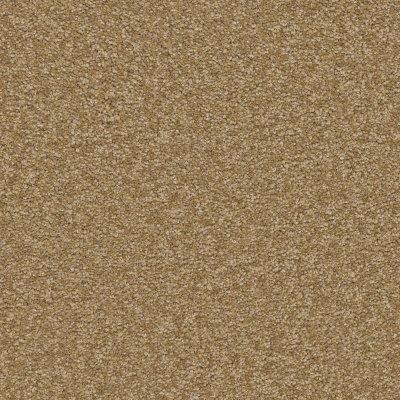
Serenity Beach I 12'
American Showcase
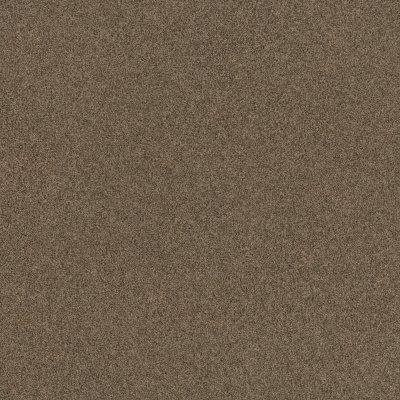
Endless Spirit II
Infinity
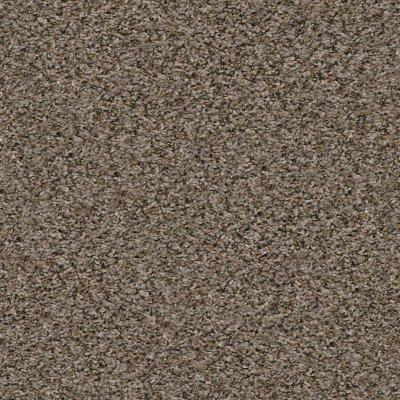
Trader Bay Berber
Abbey Carpet
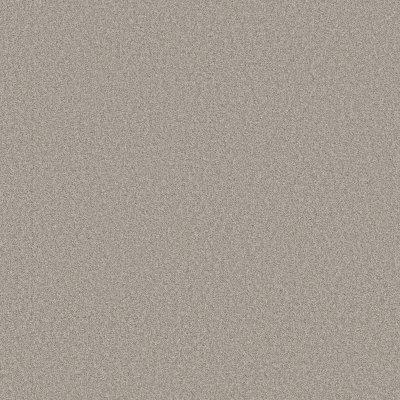
Crest Hill I
Infinity
50 years in Amador County · Lifetime warranty · Free in-home estimates
Rated 4.9 from 98 Google reviews
“JP helped us with flooring throughout our whole house. From helping us with estimates, picking out flooring and making sure we had prompt, excellent installation. JP even stayed in contact with the painter and coordinated with them so we didn't have to worry about anything. The floors came out amazing and now we are working with owners, Chad and Taylor for our Window coverings.”
01 / 05
Related Carpet Options
Explore other carpet styles and projects we handle.
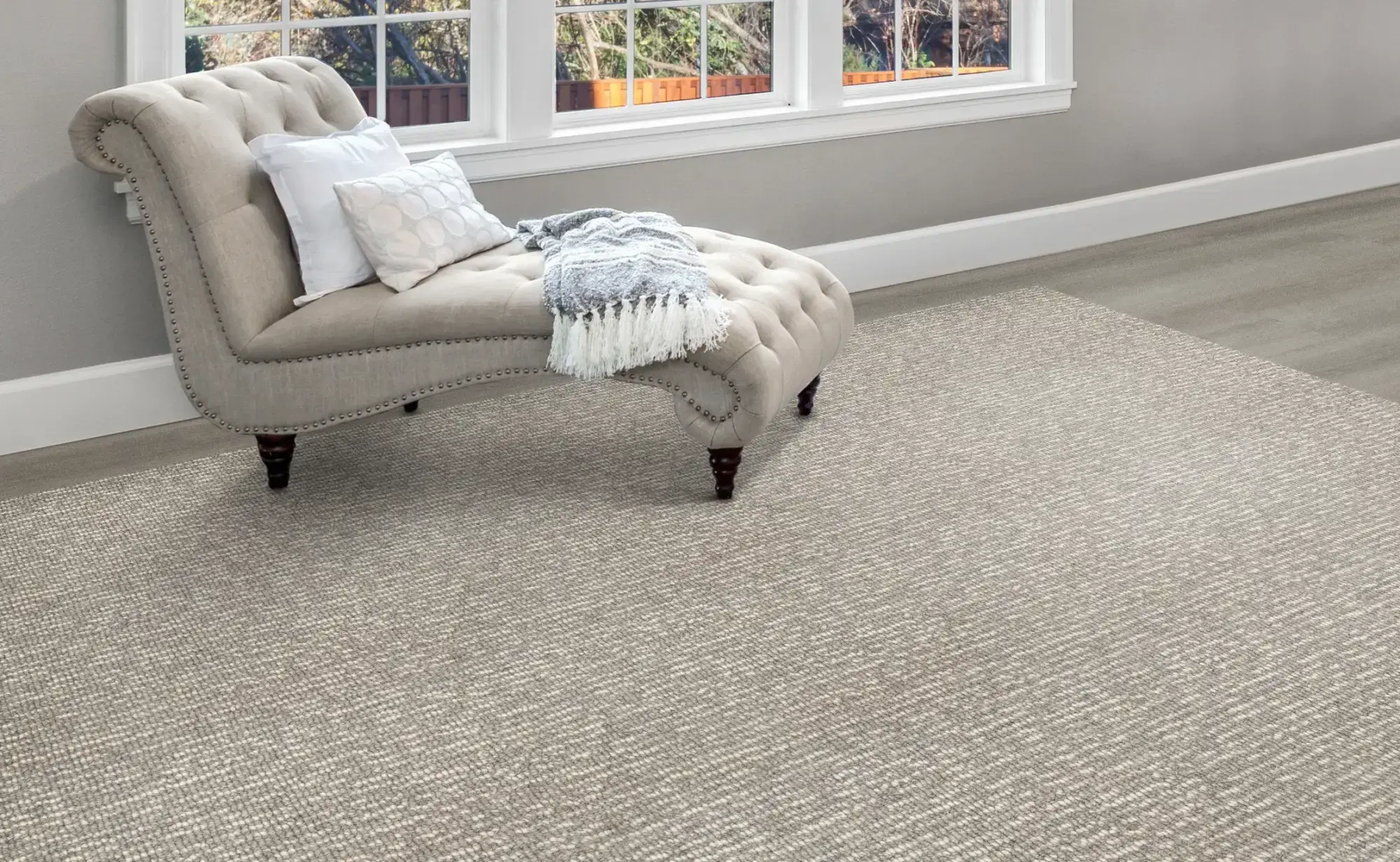
Berber Carpet
Looped construction that hides footprints and stands up to high traffic.
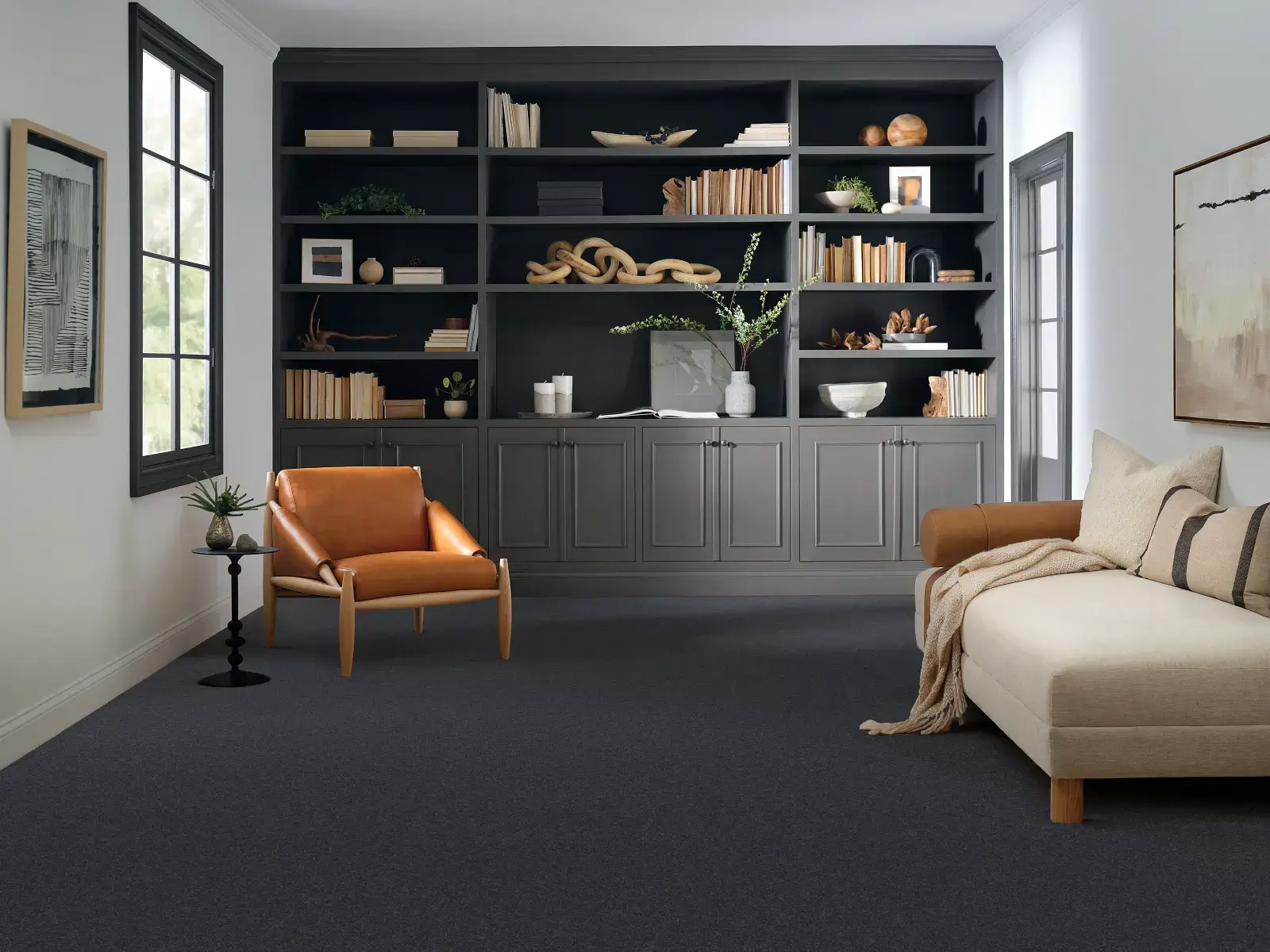
Plush Carpet
Dense, even-cut pile that feels luxurious underfoot, ideal for bedrooms.
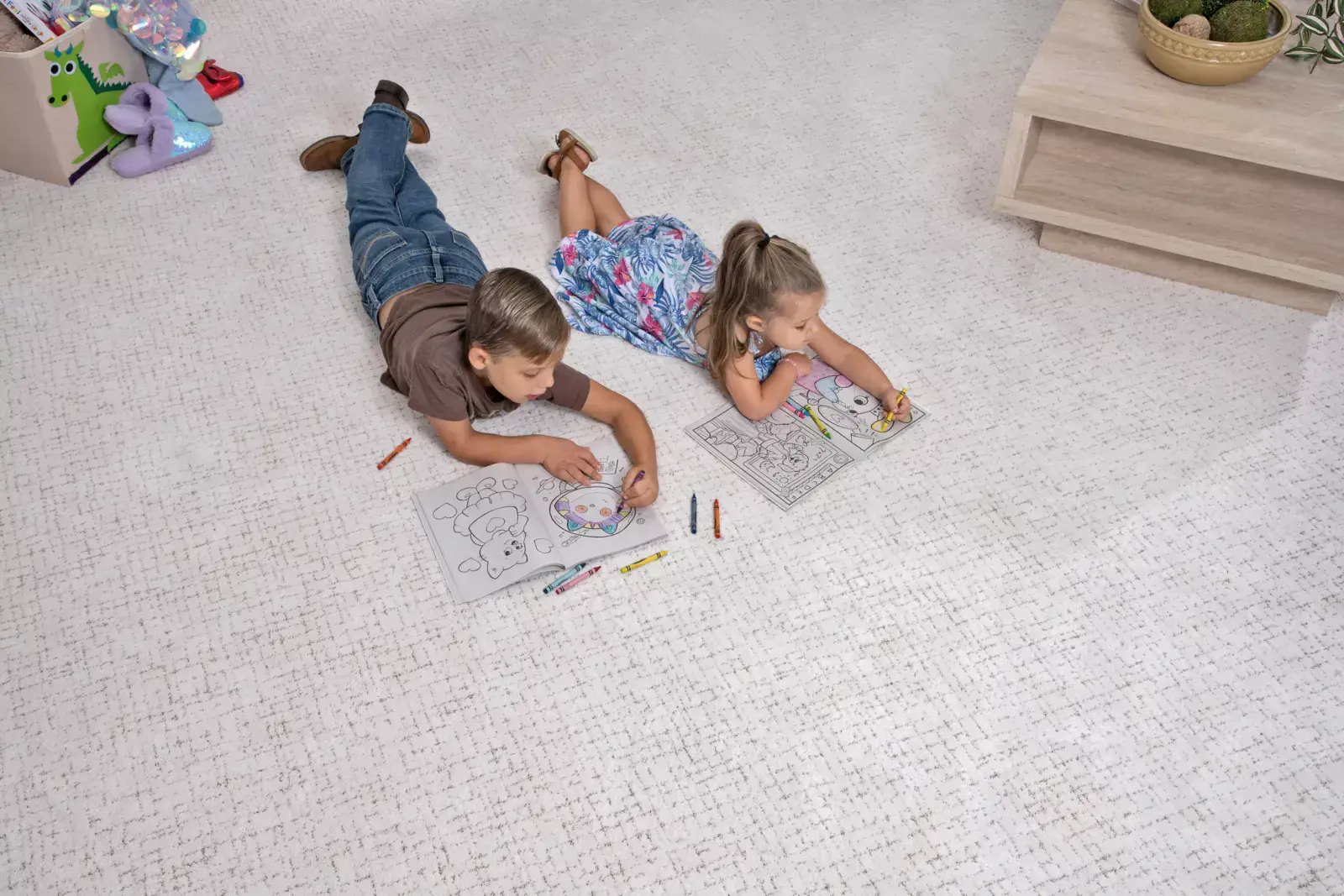
Pattern Carpet
Cut-and-loop construction with built-in patterns for visual interest.
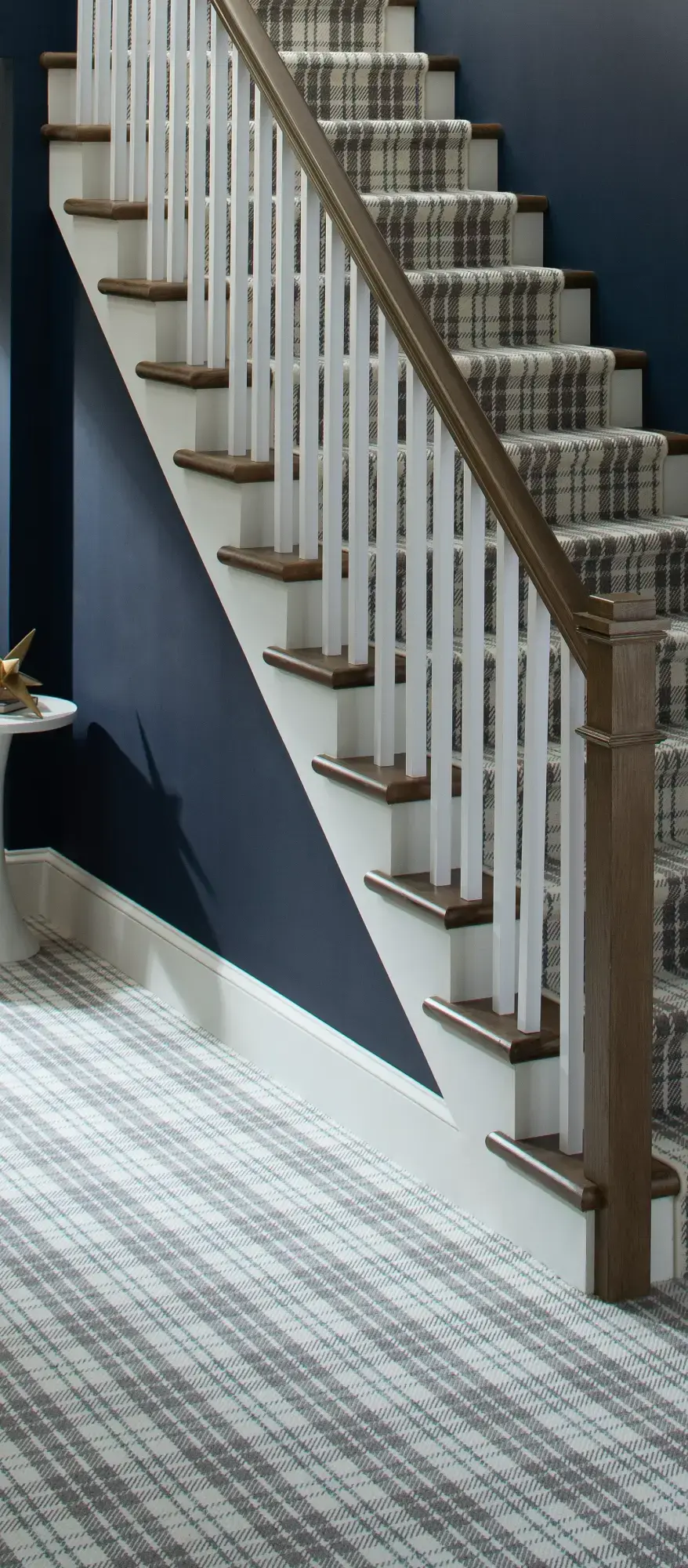
Stair Runners
Custom-cut and bound stair runners that protect treads and look stunning.
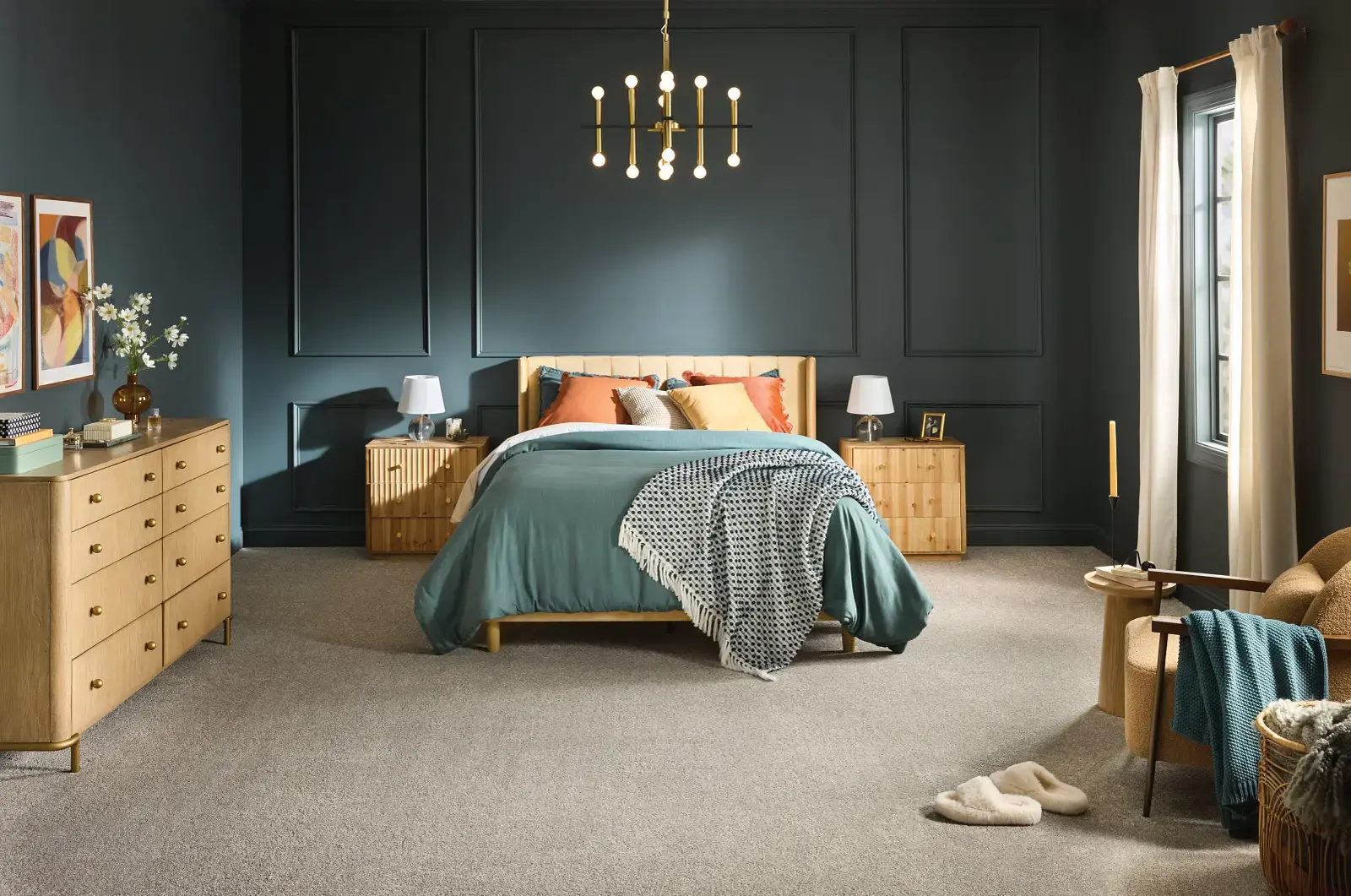
Bedroom Carpet
Soft, quiet carpet that turns any bedroom into a retreat.
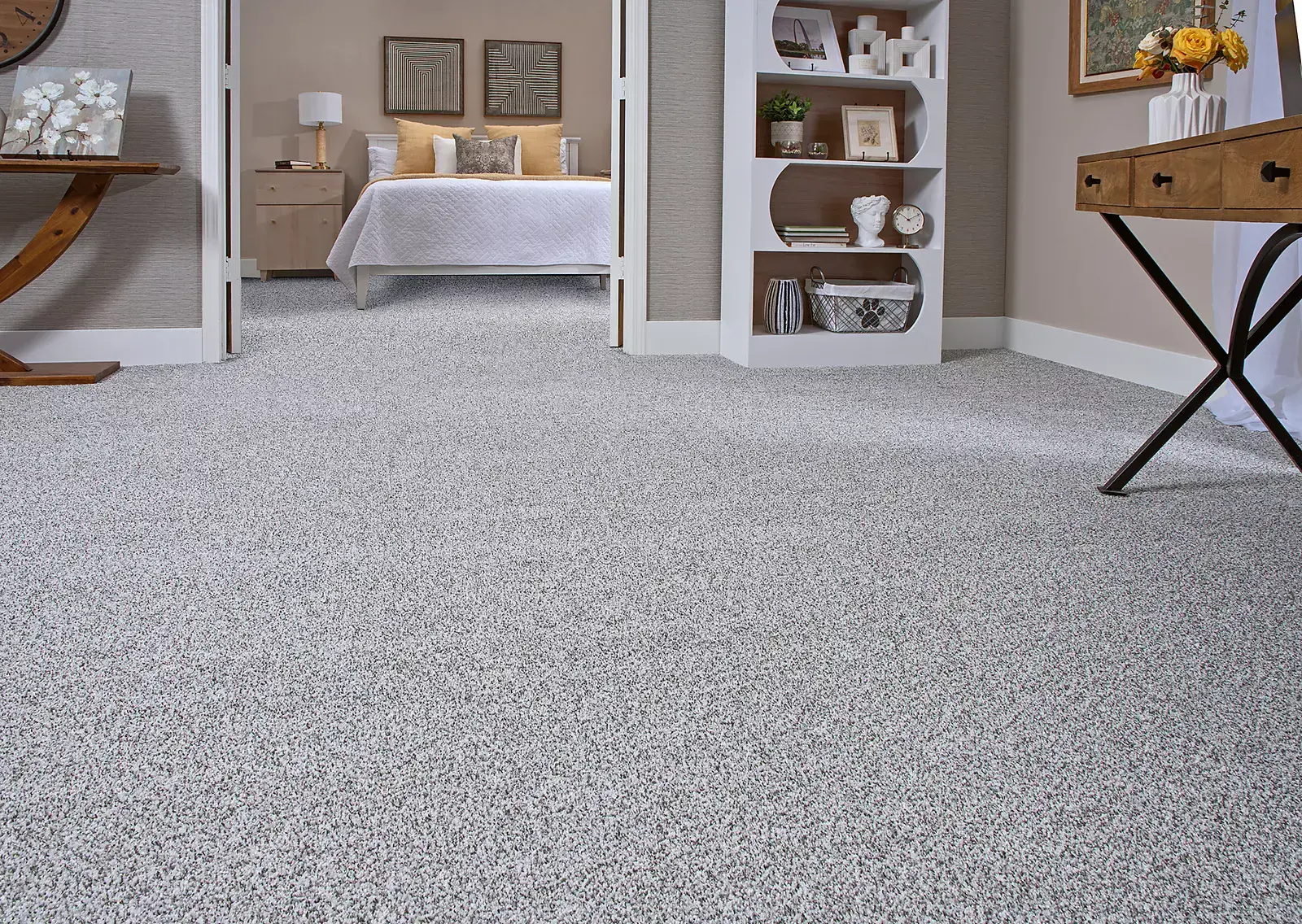
Carpet Repair
Patches, re-stretches, and seam repairs to extend the life of your carpet.
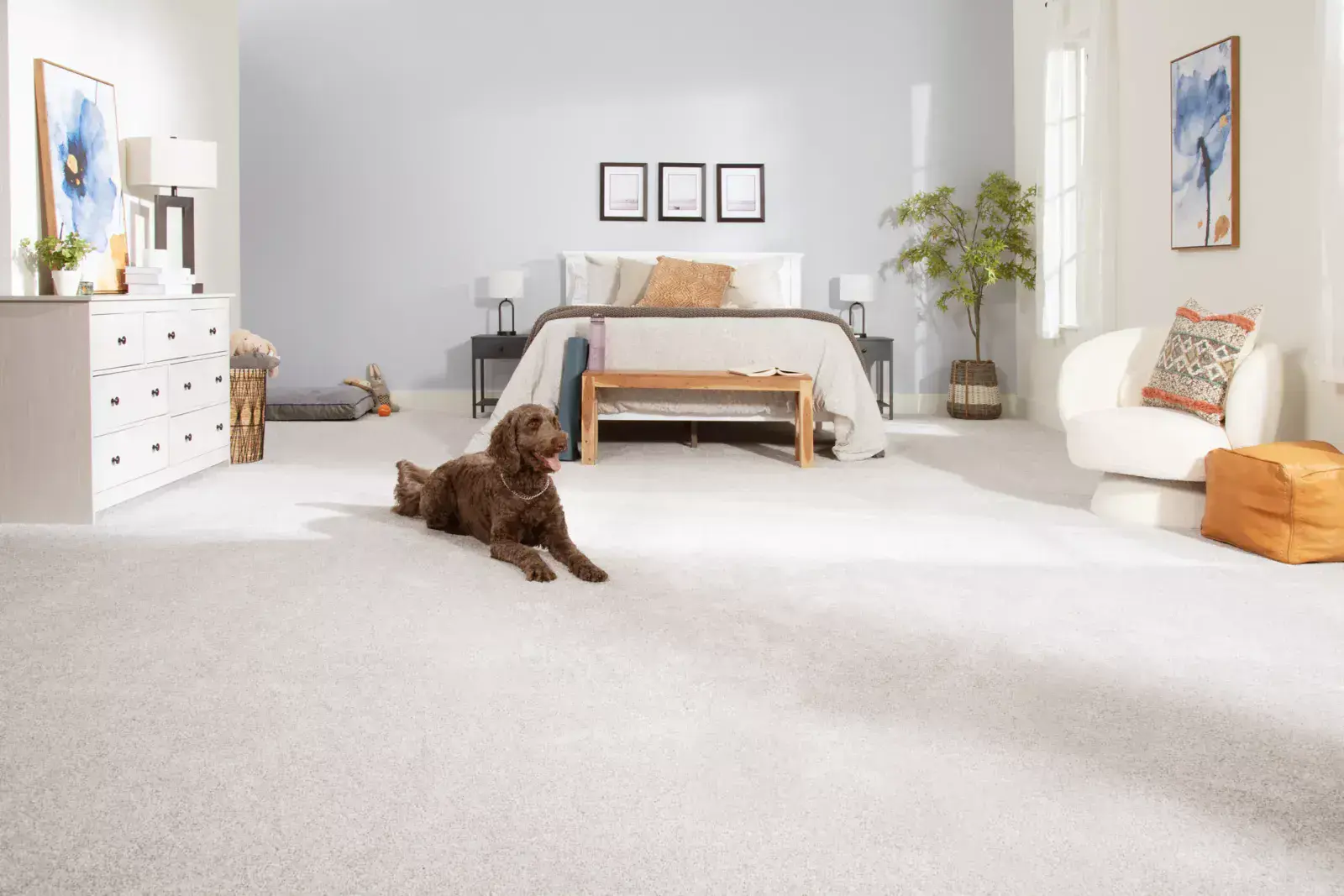
Pet-Friendly Carpet
Stain-resistant, easy-clean carpet built to handle paws and accidents.
Carpet Guide
Ready to Install Frieze Carpet in Your Amador County Home?
Frieze (pronounced free-zay) is cut-pile carpet built with extreme yarn twist, where each individual fiber strand is twisted between 7 and 9 or more turns per inch before being heat-set to lock the spiral. The high twist count is what produces frieze's signature casual, slightly curly surface and what gives it the durability that distinguishes it from the rest of the cut-pile family. A textured Saxony might run 4 to 5 turns per inch, a standard plush carpet 3 to 4, but a true frieze runs 7 turns at minimum and often 9 to 10 in premium lines. Pile height for residential frieze typically runs 1/2 inch to 5/8 inch, and the tightly coiled fibers point in slightly different directions across the surface, which is the mechanism that hides footprints, vacuum tracks, crumbs, and pet hair so well. Frieze is built for the rooms where life happens hardest: family rooms, basements, home offices, casual living rooms, and pet households across Sutter Creek, Jackson, Pine Grove, Martell, and Ione.
Read the full carpet guideShow less
The heat-set step is what separates a frieze that holds its shape from one that relaxes after a year. After the yarn is twisted to specification, it is run through a heat-setting chamber (typically a Suessen or Superba autoclave) where steam locks the spiral into the fiber permanently. Without heat-setting, the twist would unwind under foot traffic and the carpet would lose its texture within months. Premium frieze lines are heat-set at higher temperatures and longer dwell times than entry-level lines, which is part of what justifies the price gap between a 7 turn-per-inch budget frieze and a 9 to 10 turn premium product. Fiber choice in frieze leans heavily nylon for one specific reason: nylon's molecular elasticity holds a twist longer than polyester or olefin, which is why most frieze sold in the United States is built on Type 6 or Type 6,6 nylon. Solution-dyed nylon frieze is the gold standard for pet households and sun-exposed rooms because both the twist and the color survive years of exposure. Polyester frieze exists at lower price points and looks visually similar in the showroom, but crushes faster under sustained traffic and loses twist memory more quickly, so it is best matched to lower-traffic rooms where the casual look is wanted at lower cost. Padding for frieze is more flexible than for low-pile construction because the long, twisted fiber surface absorbs impact before it reaches the backing: a 7/16 inch to 1/2 inch rebond pad at 6 to 8 pounds per cubic foot density covers most residential installs, and pet households often benefit from a moisture-barrier upgrade that prevents accidents from soaking into the pad below. Frieze can also be installed on stairs, but the high pile demands a thinner, denser 8 to 10 pound pad at 1/4 inch thickness to keep the carpet from rolling on the tread nose. Compared with berber, frieze trades the architectural tightness of loop construction for a softer hand and a more forgiving surface that does not snag the same way. Compared with plush, frieze gives up the formal velvet look but gains years of useful life in rooms where plush would show traffic patterns within months. Visit our Sutter Creek showroom to compare turn-per-inch samples side by side and see how a 7 turn versus a 10 turn frieze actually behaves under hand pressure before you commit to a line.
Ready to Transform Your Home?
Get a free estimate from our experienced team. We've been helping Gold Country homeowners since 1976.