
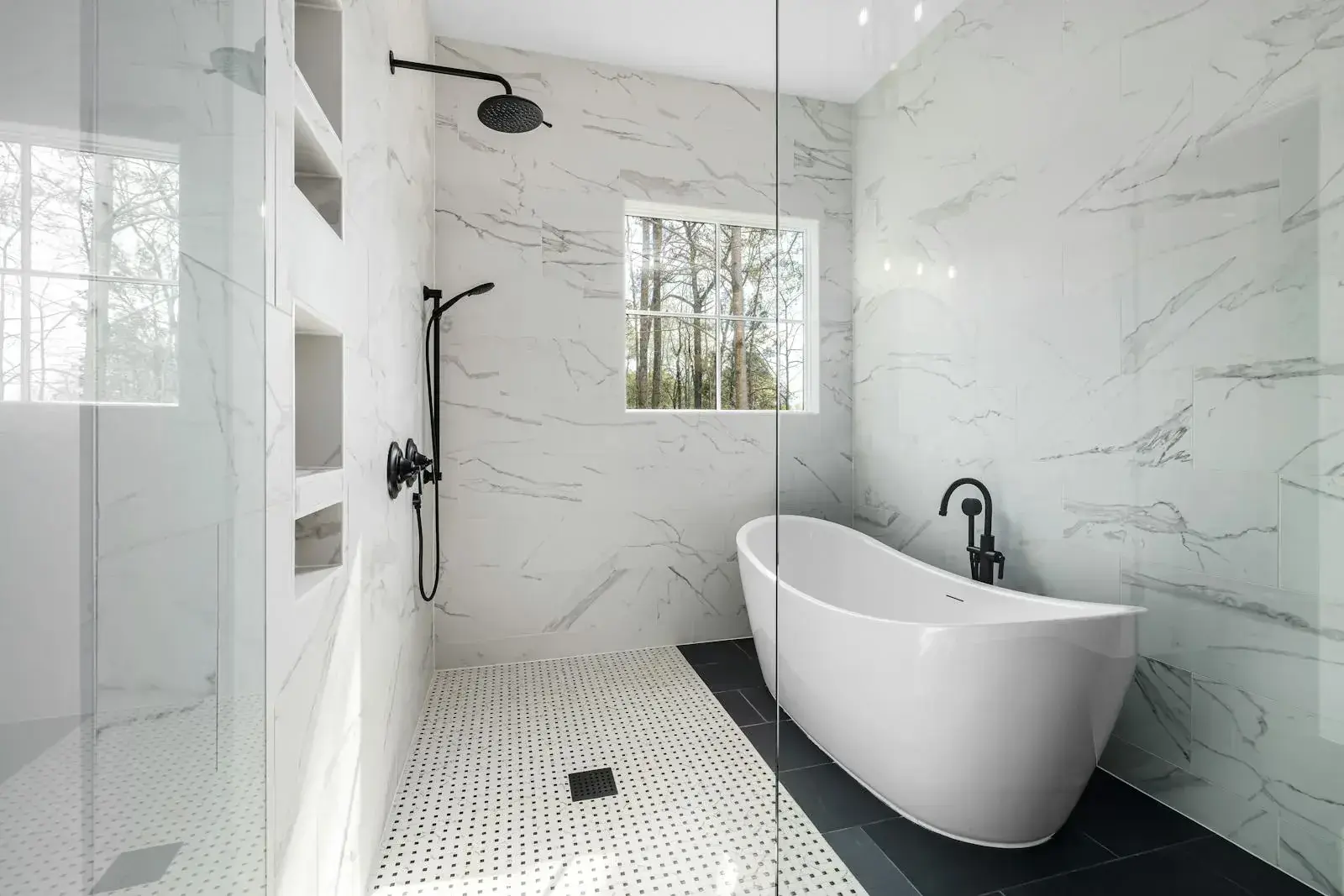
Amador County's largest flooring showroom, serving Ione, Pine Grove, Plymouth and El Dorado County. Floors, showers, backsplashes, and fireplace surrounds with the right tile, layout, and installation behind them. See porcelain, ceramic, and stone in our showroom.
Tile and stone offer almost limitless design possibilities, from classic subway and hex patterns to large-format planks, mosaics, and natural stone slabs.
Porcelain and ceramic deliver durability and easy maintenance, while marble, travertine, and slate bring distinctive natural character.
Visit our Sutter Creek showroom to explore the full range, or schedule a free in-home estimate.
Tile and Stone in Sutter Creek and Jackson
Porcelain, ceramic and natural stone from Surface Art, Emser, Happy Floors and MSI are in the Sutter Creek showroom, five minutes up Highway 49 from Jackson. Our own tile setters build the showers, floors, hearths and backsplashes in both towns.
Ione, Pine Grove, Volcano and Plymouth are within about twenty minutes of the showroom, and the same in-house crew sets tile there. Every shower we build gets a full waterproofing system behind the tile, in every town we serve.
El Dorado County guides: Tile Flooring in Cameron Park, CA
Showroom at 100 Ridge Rd, Sutter Creek · Five minutes from Jackson on Highway 49 · Free in-home measure across Amador, Calaveras and El Dorado County · Directions
Tile flooring across Amador County
Same showroom, same crews. Volcano, Pioneer, Valley Springs, San Andreas, Cameron Park, Shingle Springs and Placerville are served the same way.
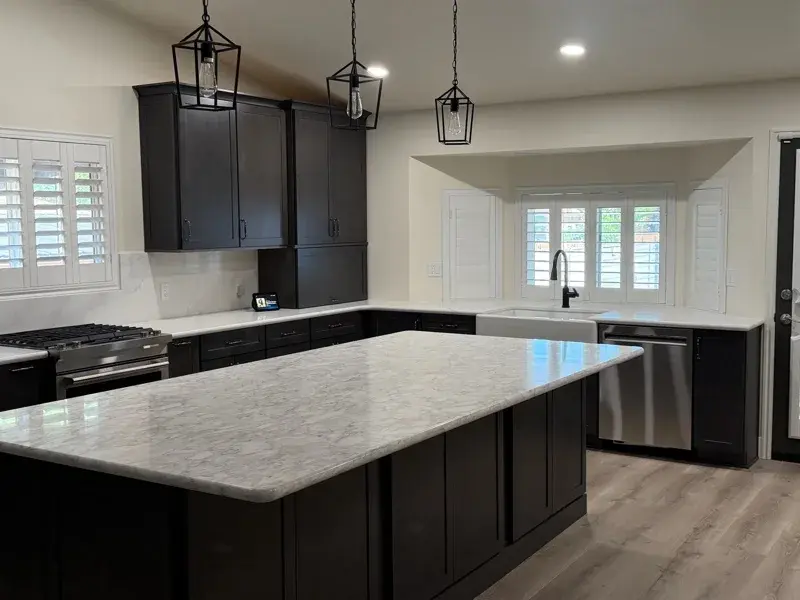
Tile flooring in Jackson
About 5 to 10 minutes from the showroom, Amador County.
Explore
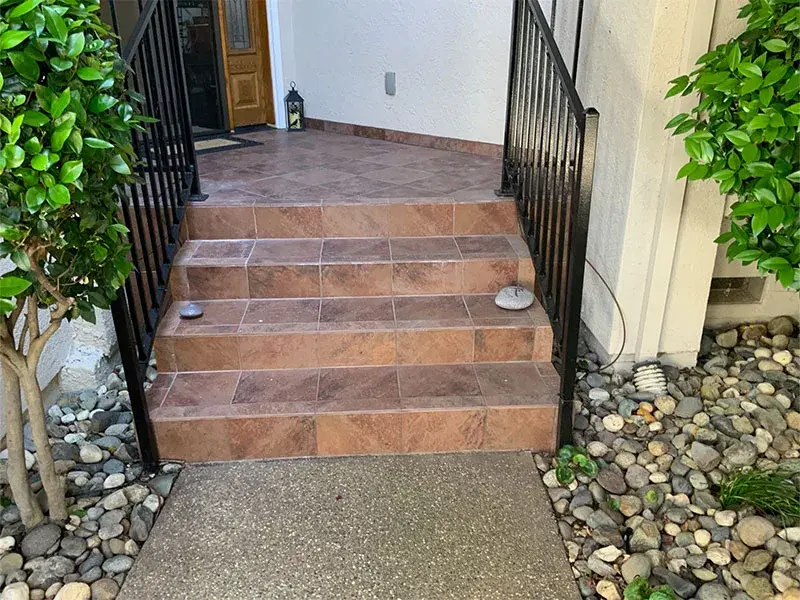
Tile flooring in Ione
About 15 to 20 minutes from the showroom, Amador County.
Explore
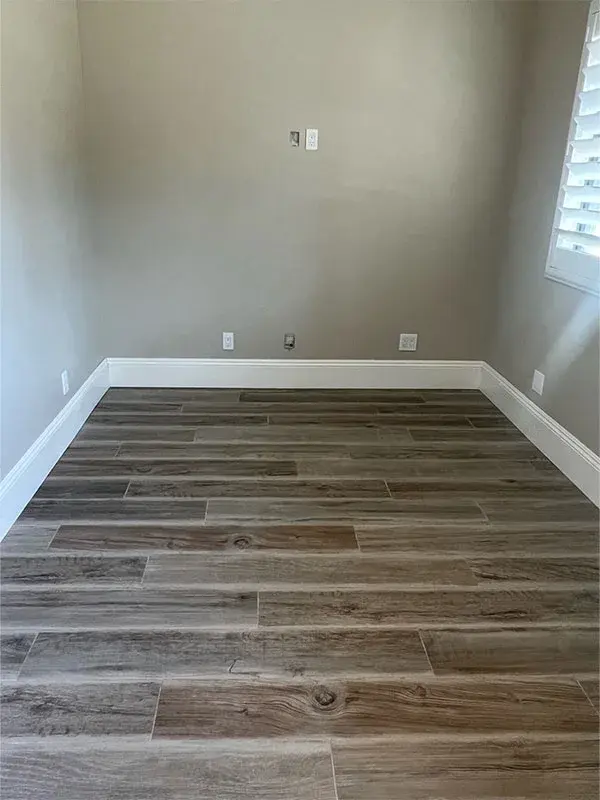
Tile flooring in Pine Grove
About 15 minutes from the showroom, Amador County.
Explore
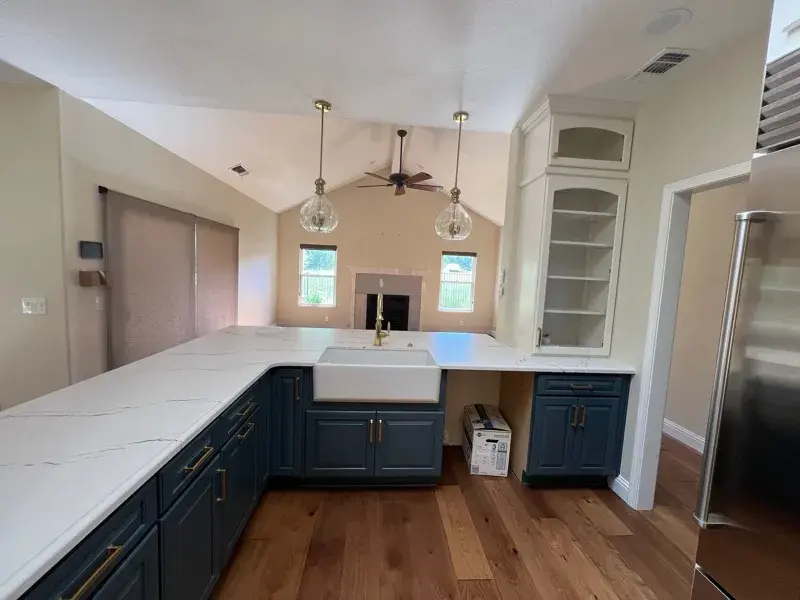
Tile flooring in Plymouth
About 10 to 12 minutes from the showroom, Amador County.
Explore
The Tile & Stone We Carry
Browse our actual tile & stone selection and preview any style on your own floors with our room visualizer.
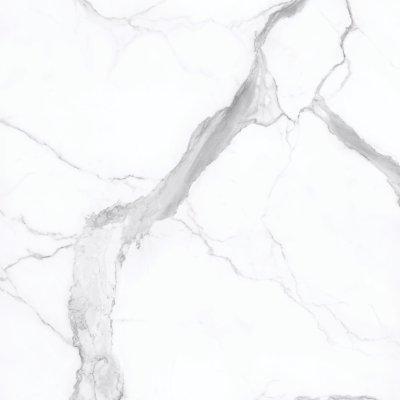
Elemental Selection Statuario, Slab, 64X127, Matte, 12MM, FC2
Daltile

Industrial Selection Cinder Rail, Slab, 63X126, Matte, 6MM
Daltile
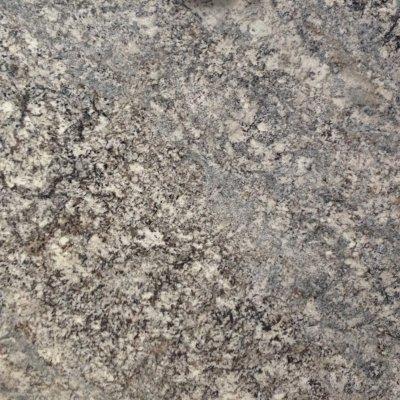
Granite - Natural Stone Slab Sterling, Slab, Variable, Polished, 2CM
Daltile
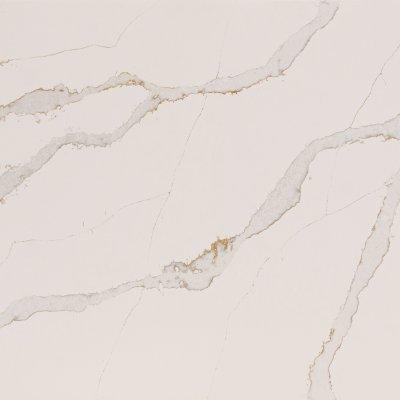
ONE Quartz - Marble Look Calacatta Aurora, Slab, Variable, Polished, 3CM
Daltile
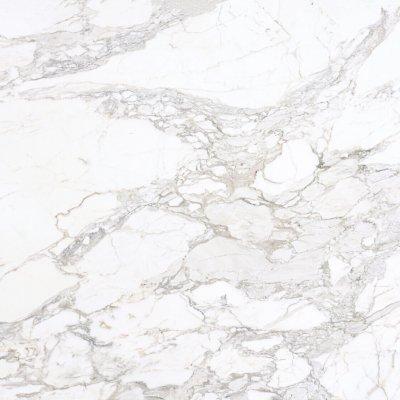
Marble - Natural Stone Slab Calacatta Gold, Slab, Variable, Honed, 2CM
Daltile
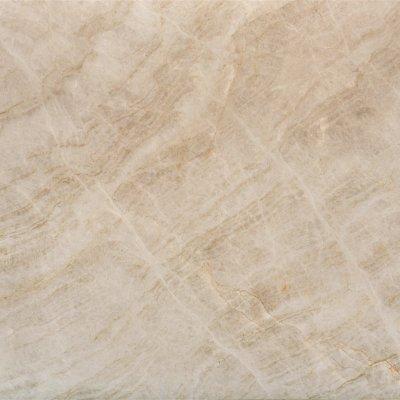
Natural Quartzite - Natural Stone Slab Crystallize, Slab, Variable, Polished, 2CM
Daltile

Cohesion Light Grey, Square, 24X24, Matte
Daltile

Cohesion Light Grey, Rectangle, 24X48, Matte
Daltile
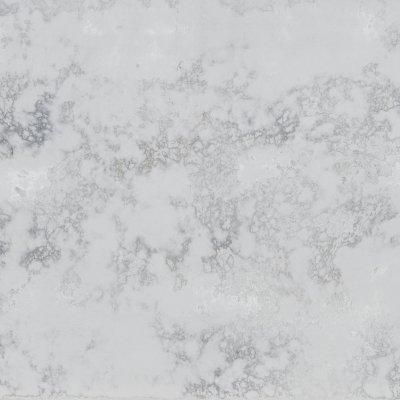
ONE Quartz - Stone Look Moongaze, Slab, Variable, Polished, 2CM
Daltile
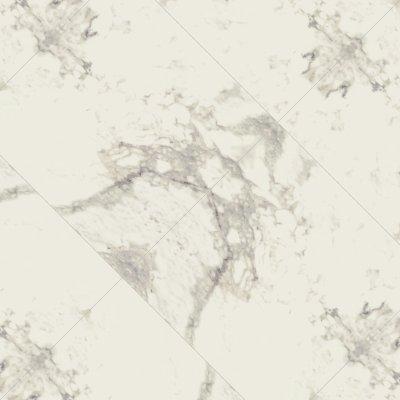
Marble Attache Calacatta, Square, 32X32, Matte
Daltile

Calligo Almond, Rectangle, 12X24, Fluted, Microban, Matte
Daltile

Calligo Tusk, Stacked, 1X6, Microban, Matte
Daltile

Indoterra Brick, Rectangle, 6X24, Stepwise, Matte
Daltile

Indoterra Natural, Square, 24X24, Stepwise, Matte
Daltile
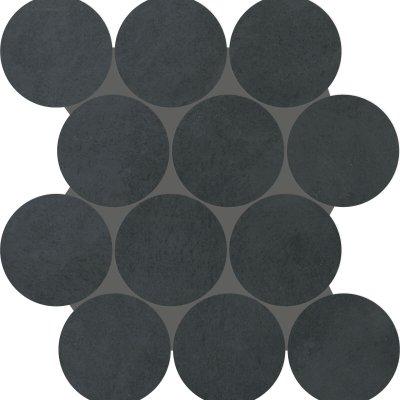
Indoterra Volcanic Ash, Circle, 4, Stepwise, Matte
Daltile
Find the Right Tile & Stone
Start from a style you like or the project you have in mind. Every option below links to a deeper guide.
Shop by style
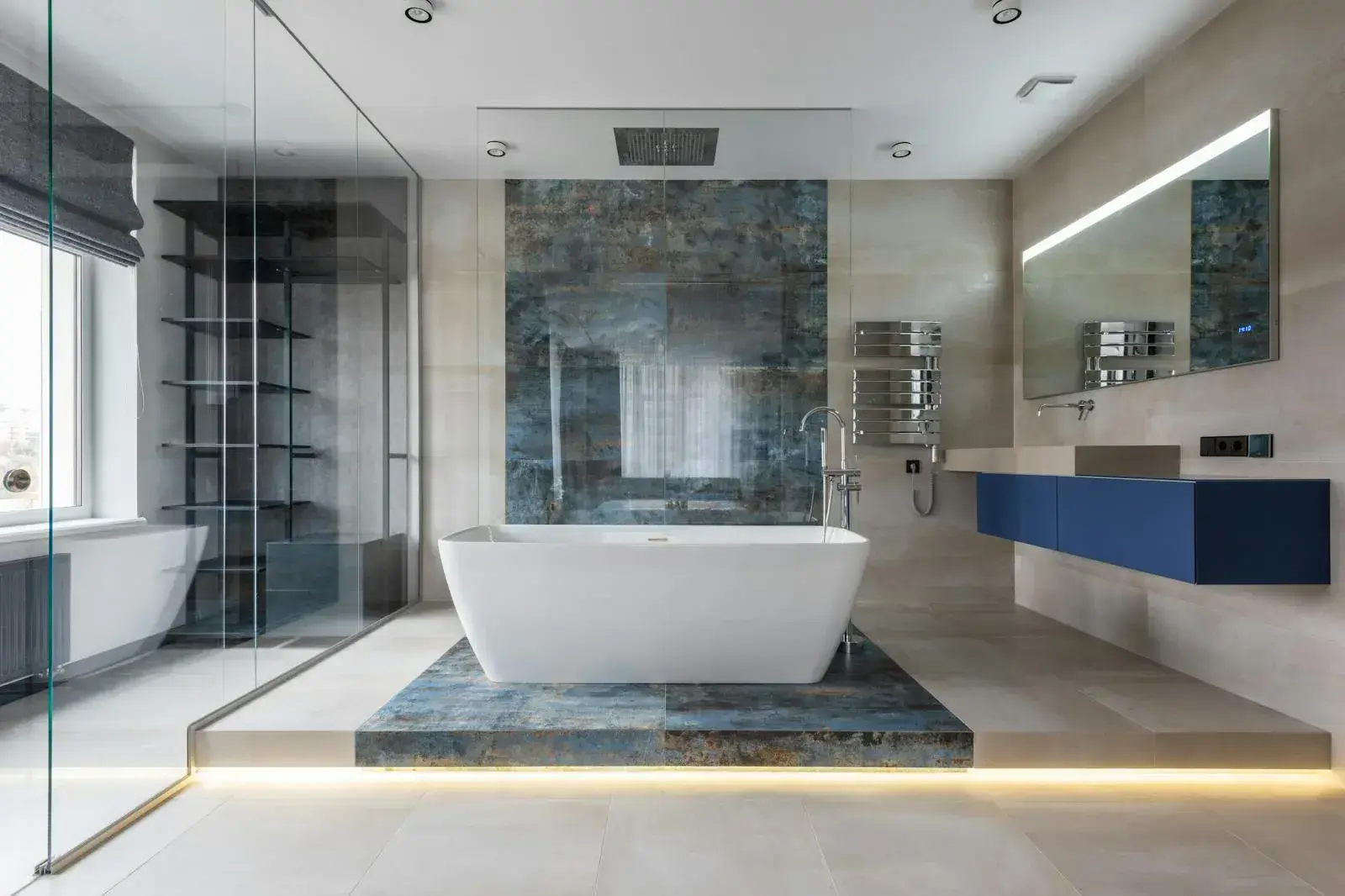
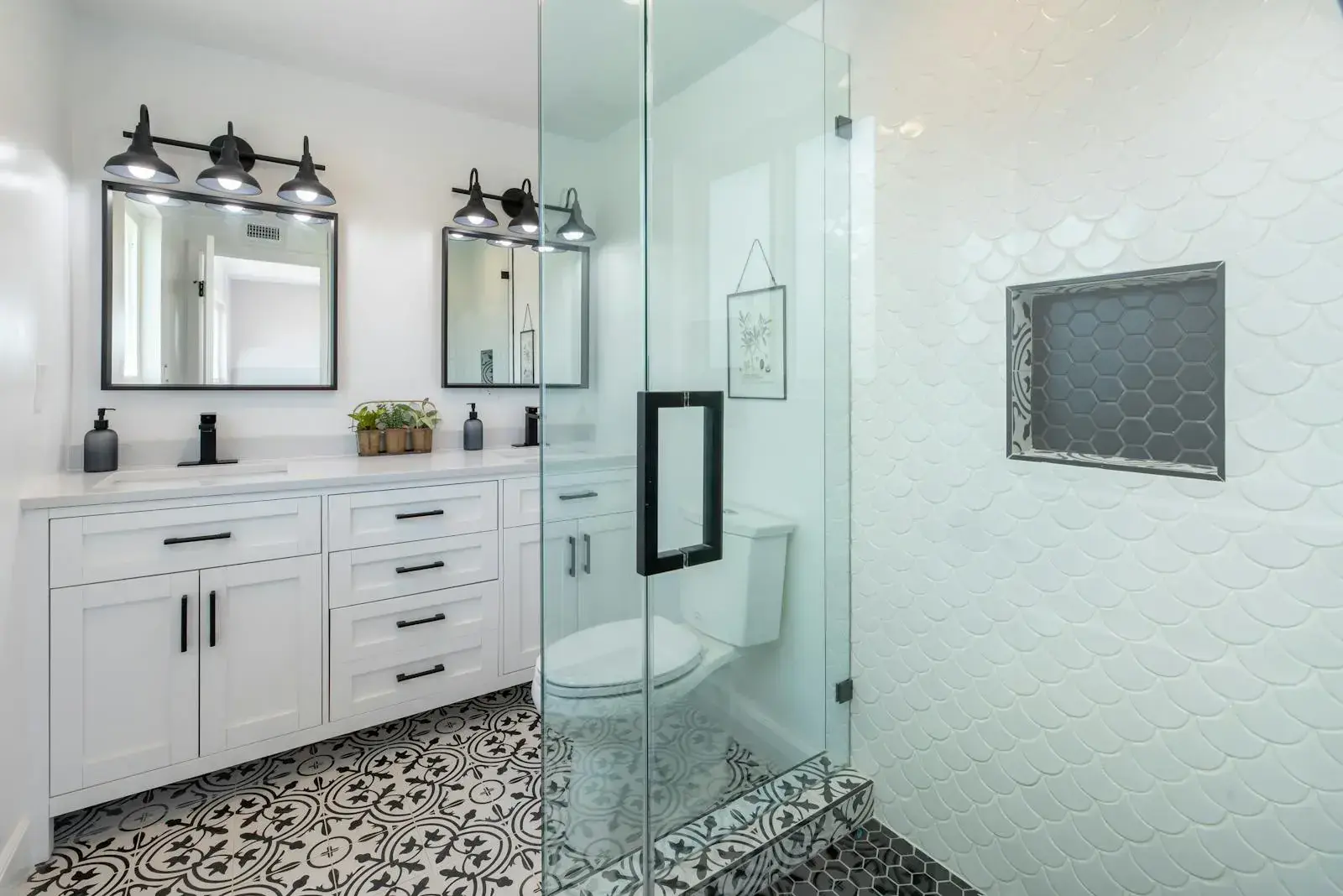
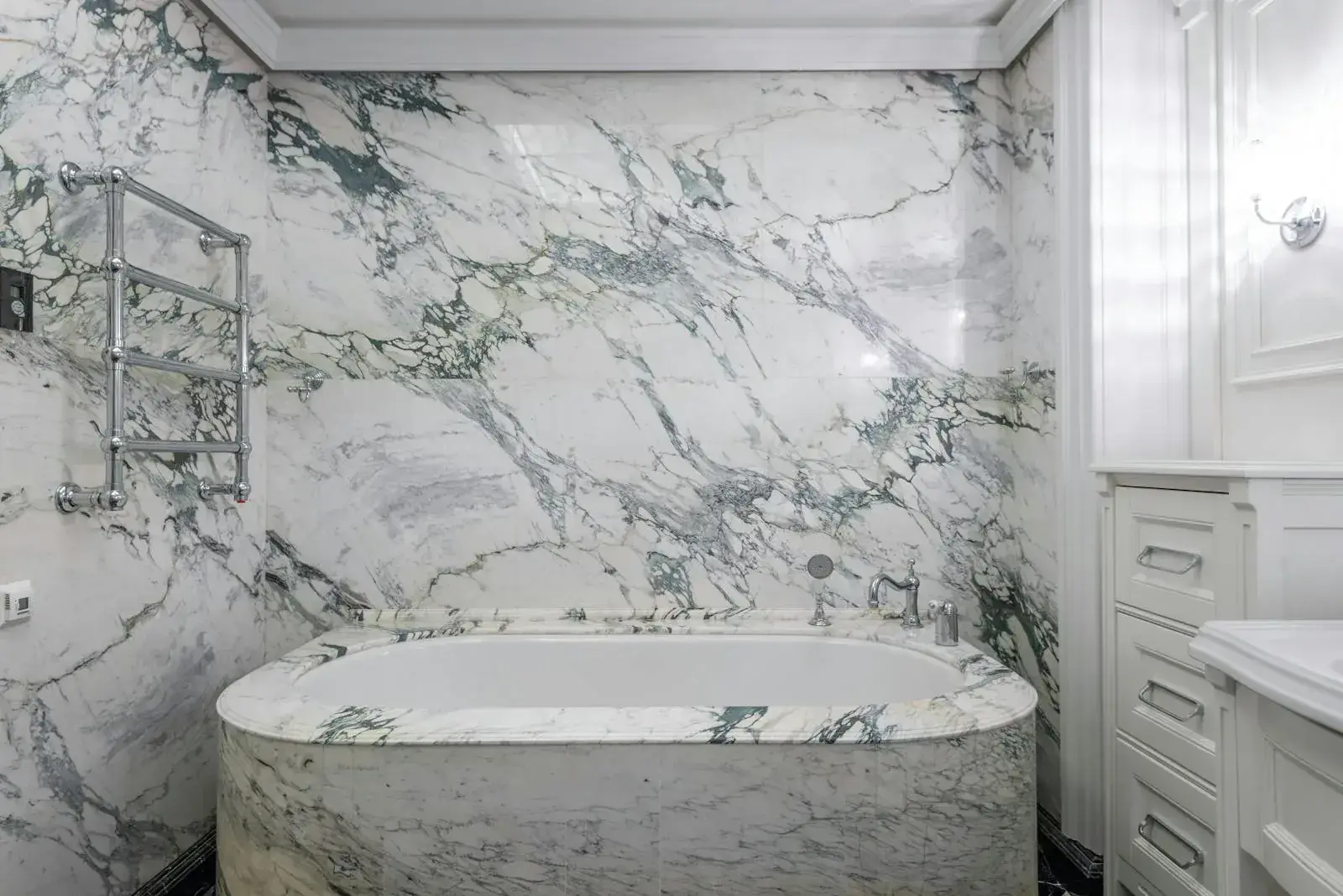
Shop by project
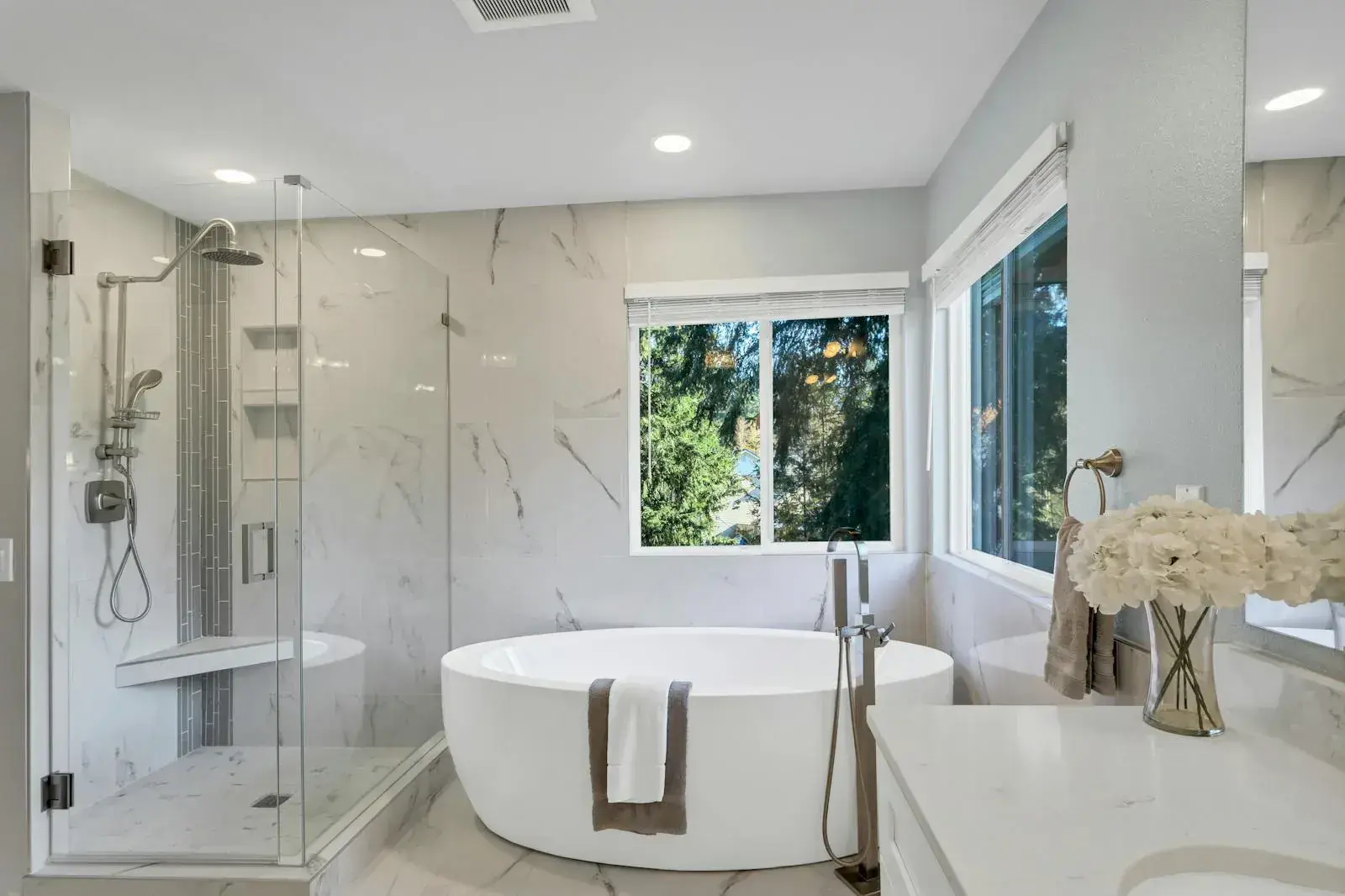

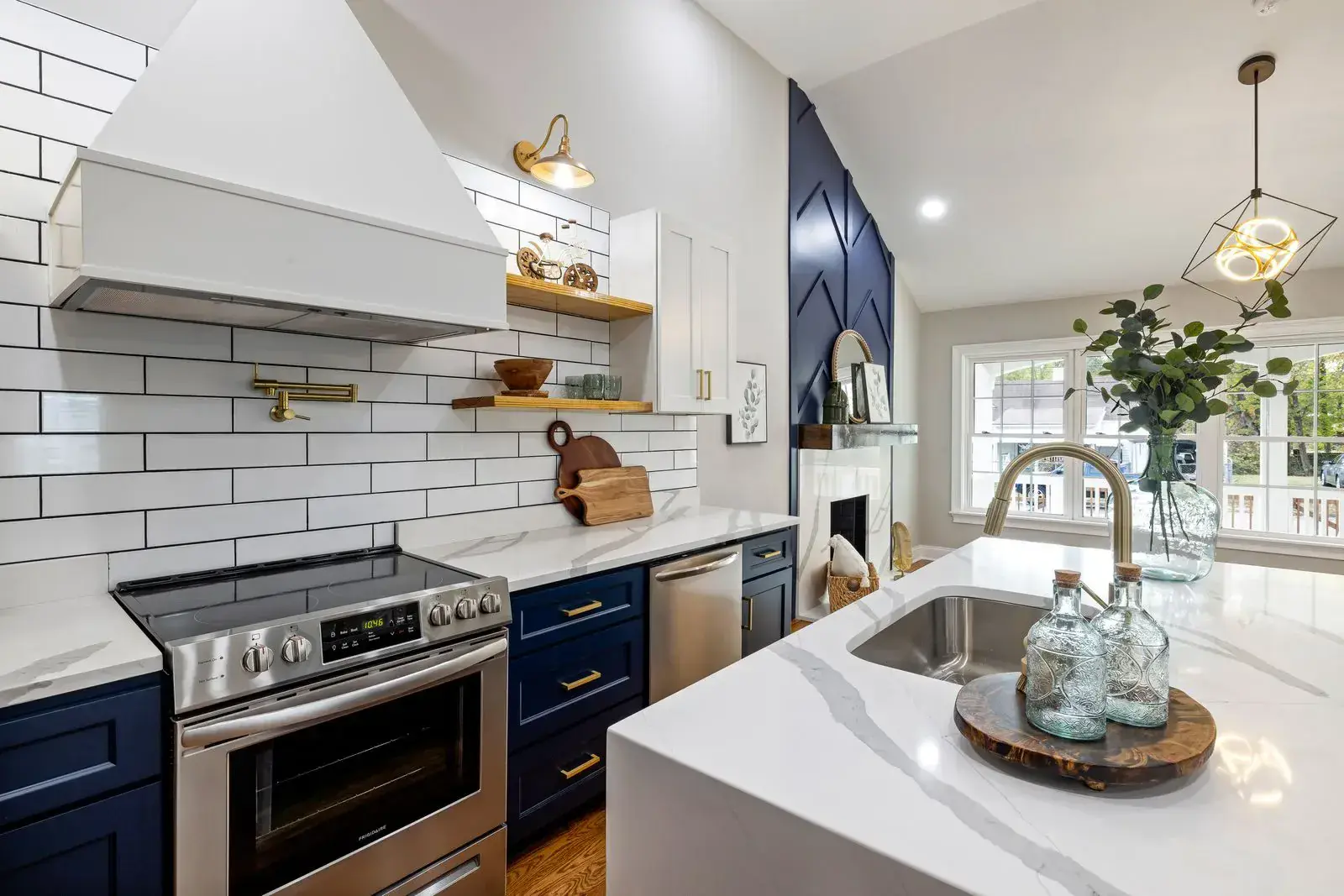
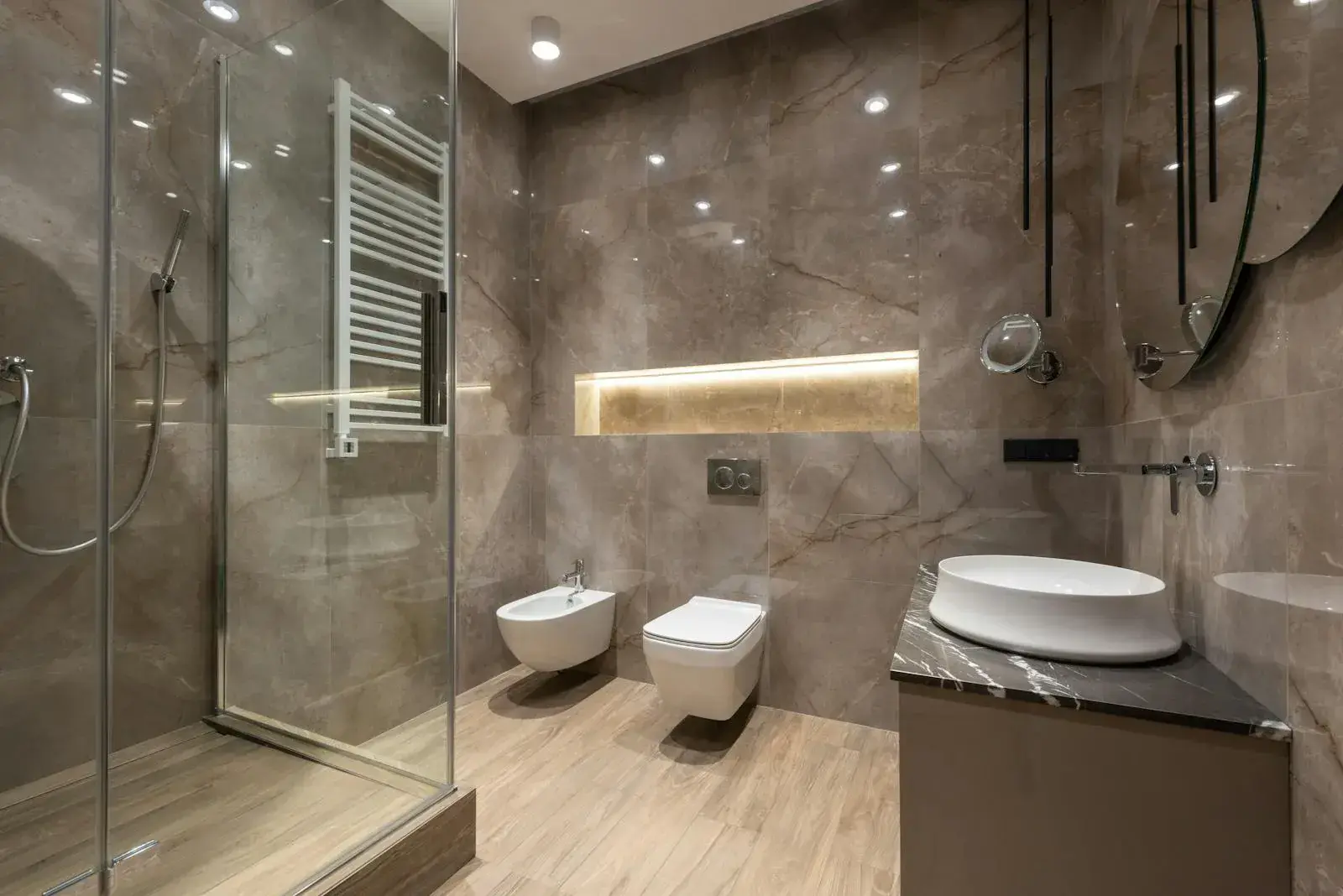
Featured tile & stone brands, all in our Sutter Creek showroom






50 years in Amador County · Lifetime warranty · Free in-home estimates
Your New Tile & Stone in 3 Simple Steps
 Step 1
Free In-Home Estimate
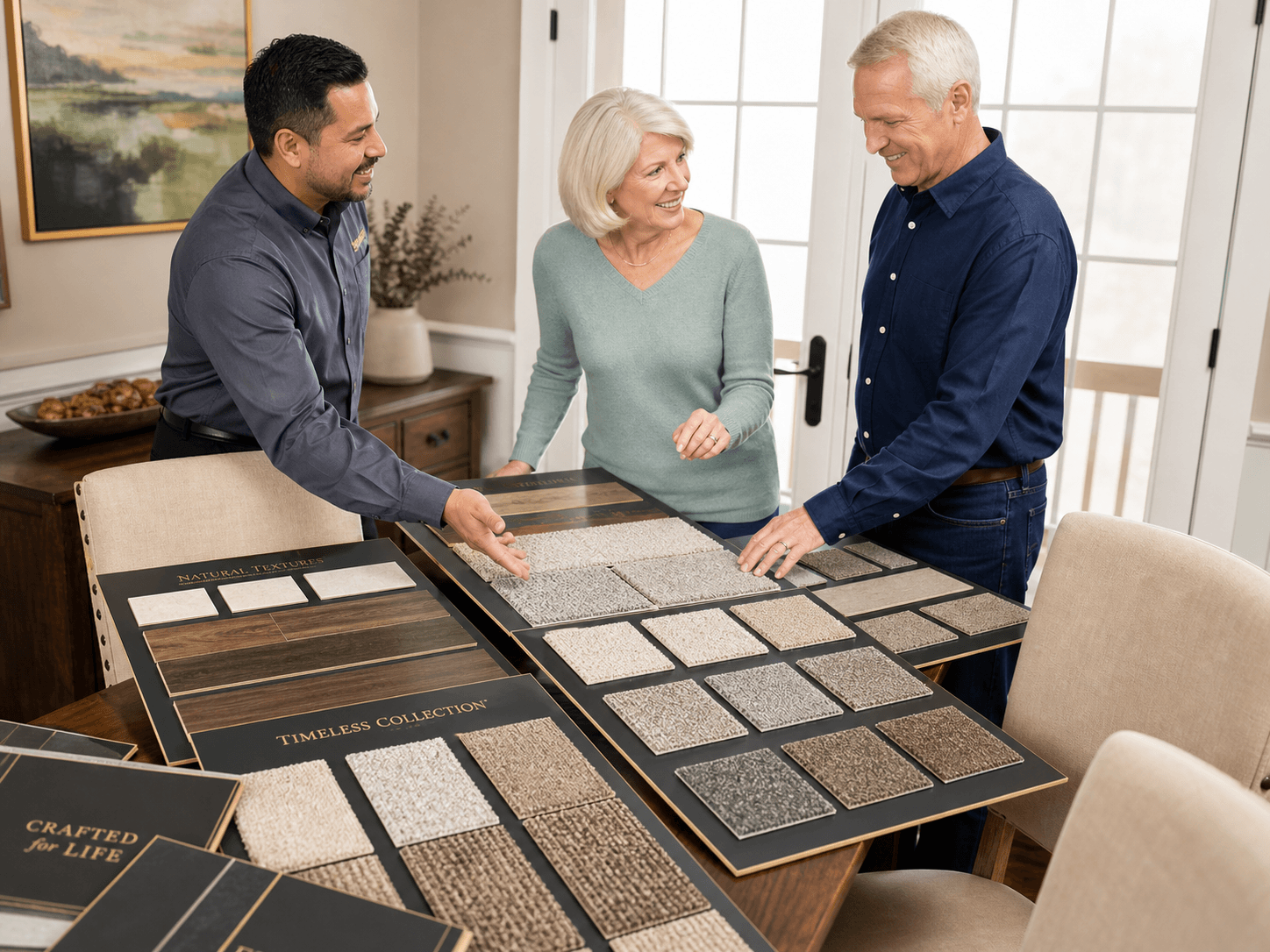
We come measure, bring samples, and give you an honest written estimate at no cost.
 Step 2
Pick Your Floors with Expert Help
Browse our Sutter Creek showroom or work with samples at home, our team helps you find the right product for your space and budget.
 Step 3
Professional Installation
Our experienced installers handle removal, prep, install, and cleanup, backed by our lifetime workmanship warranty.
Floors Now, Pay Over Time
Financing on approved credit makes your project affordable today. Ask about current promotions in our Sutter Creek showroom.
Tile & Stone FAQs
What's the difference between porcelain and ceramic?
How long does tile last?
Does natural stone need to be sealed?
Can you install heated floors under tile?
How long does tile installation take?
Do you do shower waterproofing?
Do you offer financing?
Tile & Stone Guide
Porcelain, Ceramic, and Natural Stone Flooring: Materials, Trade-offs, and Where Each Fits
Tile and stone are the oldest categories of finished flooring still in use today, and the modern lineup includes porcelain, ceramic, and a range of natural stones such as marble, travertine, slate, granite, and limestone. These materials share the qualities that have made them durable for centuries: high resistance to moisture, scratches, and traffic, minimal day-to-day maintenance, and a visual character that hardwood, vinyl, and laminate cannot replicate. They are the default choice for bathrooms, showers, mudrooms, entryways, and kitchen floors across Amador County, where water and grit are part of daily life.
Advantages and trade-offs of tile and stone
The advantages start with longevity. A properly installed tile or stone floor routinely lasts fifty years or more, often outlasting the home it was installed in. Maintenance is minimal: sweep or vacuum dry messes, mop with mild soap and water for anything tougher. Tile and stone resist scratches, stains, and water far better than wood or laminate, and they shed dirt rather than absorbing it. The design range is enormous, from subway tile and hex patterns to large-format porcelain planks that mimic hardwood, hand-painted artisan tiles, and natural stone slabs with one-of-a-kind veining.
The trade-offs are physical. Tile and stone stay cool to the touch, which feels great in hot Amador County summers but cold in winter without a radiant heat system underneath. The materials are dense and hard, so they are unforgiving on dropped glassware and uncomfortable for long periods of standing, which is why many homeowners use rugs or anti-fatigue mats in front of kitchen sinks and stoves. Installation cost is also higher than most other flooring categories because the substrate prep, mortar bed, grout, and waterproofing involve more labor and more skill than floating a click-lock floor.
Read the full tile & stone guideShow less
Cracking is a real risk with tile and stone. The substrate must be flat, structurally sound, and decoupled from the tile with the right underlayment or membrane, or movement in the house transfers directly to the tile and produces hairline cracks across the floor. This is why install quality matters more for tile than for any other flooring category, and why properly prepared tile floors hold up for decades while poorly prepped ones can show problems within the first year.
Porcelain vs ceramic: which is right for the room
Porcelain and ceramic share a base of clay and minerals fired in a kiln, but porcelain is fired at higher temperatures with finer materials, producing a denser, harder, and less absorbent tile. The Porcelain Tile Certification Agency requires porcelain to absorb less than 0.5 percent of its weight in water, while ceramic tile typically falls in the 3 to 7 percent range. That single property drives most of the practical differences between the two.
Porcelain wins for wet areas (showers, full bathrooms, mudrooms, outdoor patios), high-traffic floors, and any installation where freeze-thaw cycles might be a factor. Porcelain's density also means the color and pattern typically run through the body of the tile, so chips and edge wear are less visible. The trade-offs are higher material cost, more demanding installation (cutting porcelain requires diamond blades and patience), and weight.
Ceramic wins for budget-conscious projects, wall applications where the tile does not need to bear weight or shed water, and lower-traffic floor installations like guest baths or laundry rooms. The lower density also makes ceramic easier to cut, faster to install, and significantly less expensive per square foot. For a powder room, a backsplash, or a tub surround, ceramic is often the right answer.
Natural stone: marble, travertine, slate, and granite
Natural stone is quarried from the earth rather than manufactured, which produces visual variation no porcelain or ceramic can match: marble's veining, travertine's pitted surface, slate's clefted texture, granite's mineral speckle. The trade-off is that stone is porous and requires sealing at installation and periodic resealing afterward to resist staining. Marble is the softest of the common stones and most prone to etching from acids (lemon juice, vinegar, wine), making it better suited to bathrooms and decorative areas than busy kitchens. Travertine and slate are more forgiving in everyday spaces. Granite is the hardest and most water-resistant of the natural stones and works well anywhere porcelain would, though it is rarely chosen for floors because granite slabs are more commonly used for countertops.
What proper tile and stone installation requires
Tile and stone installation is mostly about what happens before the tile goes down. Substrate flatness is checked with a long straightedge and corrected with self-leveler or grinding. Crack-isolation membranes and uncoupling membranes (Schluter Ditra and similar) decouple the tile from substrate movement. Wet areas require waterproofing membranes (RedGard, Kerdi, hot mop) that prevent water from reaching the substrate. The tile is set in thinset mortar with the right notch trowel for the tile format. Grout joint sizes are matched to the tile (as tight as 1/16 inch for rectified large-format porcelain, up to 3/8 inch for handmade ceramics). Sealing follows for natural stone and porous grout. Done right, the floor stays flat and crack-free for the life of the home. Visit our Sutter Creek showroom to handle porcelain, ceramic, and natural stone samples side by side under real lighting before you commit.
Discover the Difference at Barron's Flooring & Home
Tile and stone are some of the most versatile and long-lasting flooring options available, and Barron's Flooring & Home has been installing them across Amador County for 50 years. From porcelain plank floors in modern Jackson kitchens to natural stone in historic Sutter Creek baths, our team brings the same care to every project.
We carry tile from Daltile, Marazzi, American Olean, and Florida Tile, large-format porcelain, classic subway, hex mosaics, natural stone, and everything in between. Our Sutter Creek showroom lets you handle samples and see how patterns scale at full size before committing.
Whether you're tiling a custom shower in Pine Grove, refreshing a kitchen backsplash in Ione, or designing a stone-floor entryway in Plymouth, we'll guide you through layout, grout, and finish decisions and back the install with a lifetime workmanship warranty.
Ready to Transform Your Home?
Get a free estimate from our experienced team. We've been helping Gold Country homeowners since 1976.