
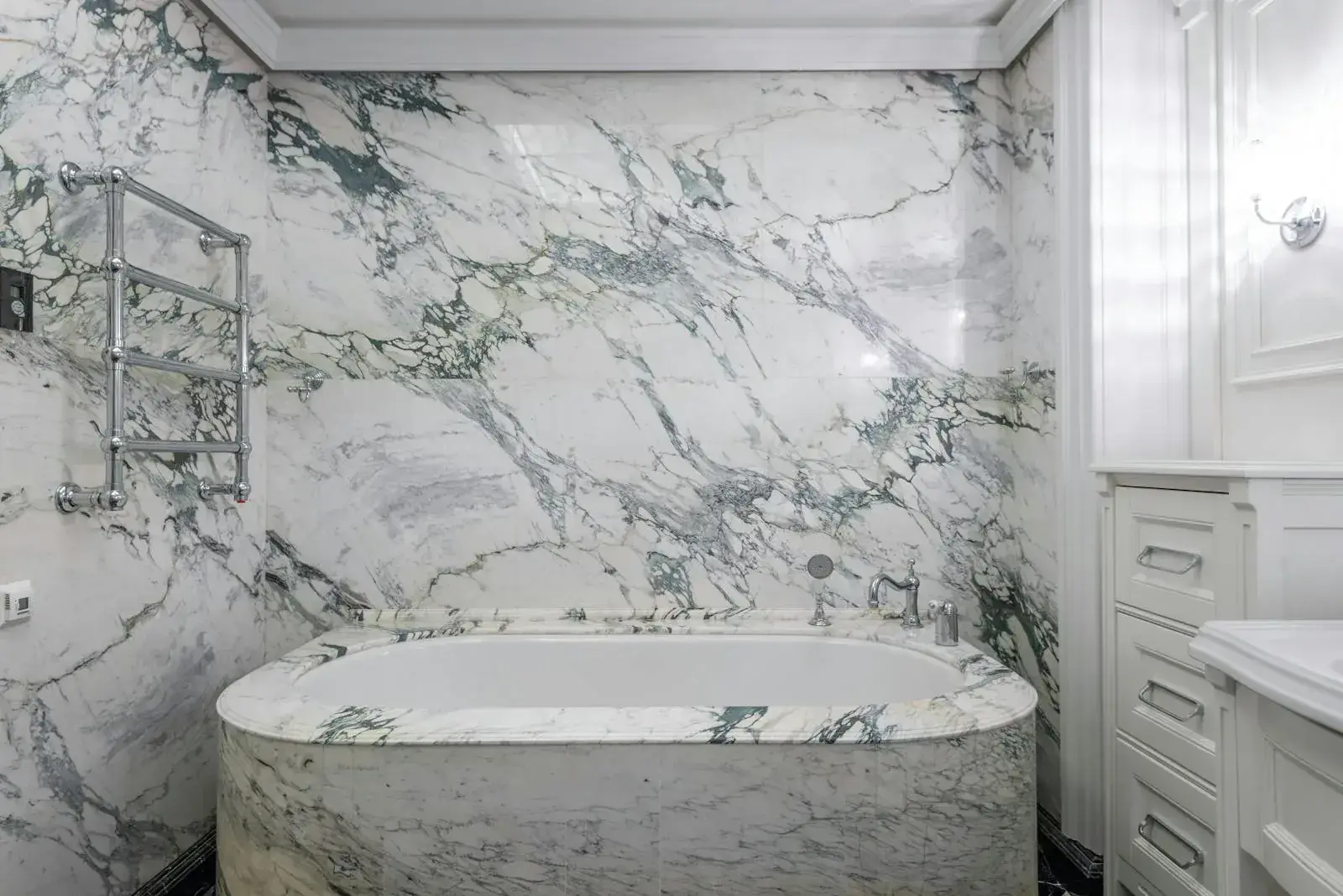
Marble, travertine, slate, and granite, distinctive natural character in every piece.
50 years in Amador County · Lifetime warranty · Free in-home estimates
Related Tile & Stone Options
Explore other tile & stone styles and projects we handle.
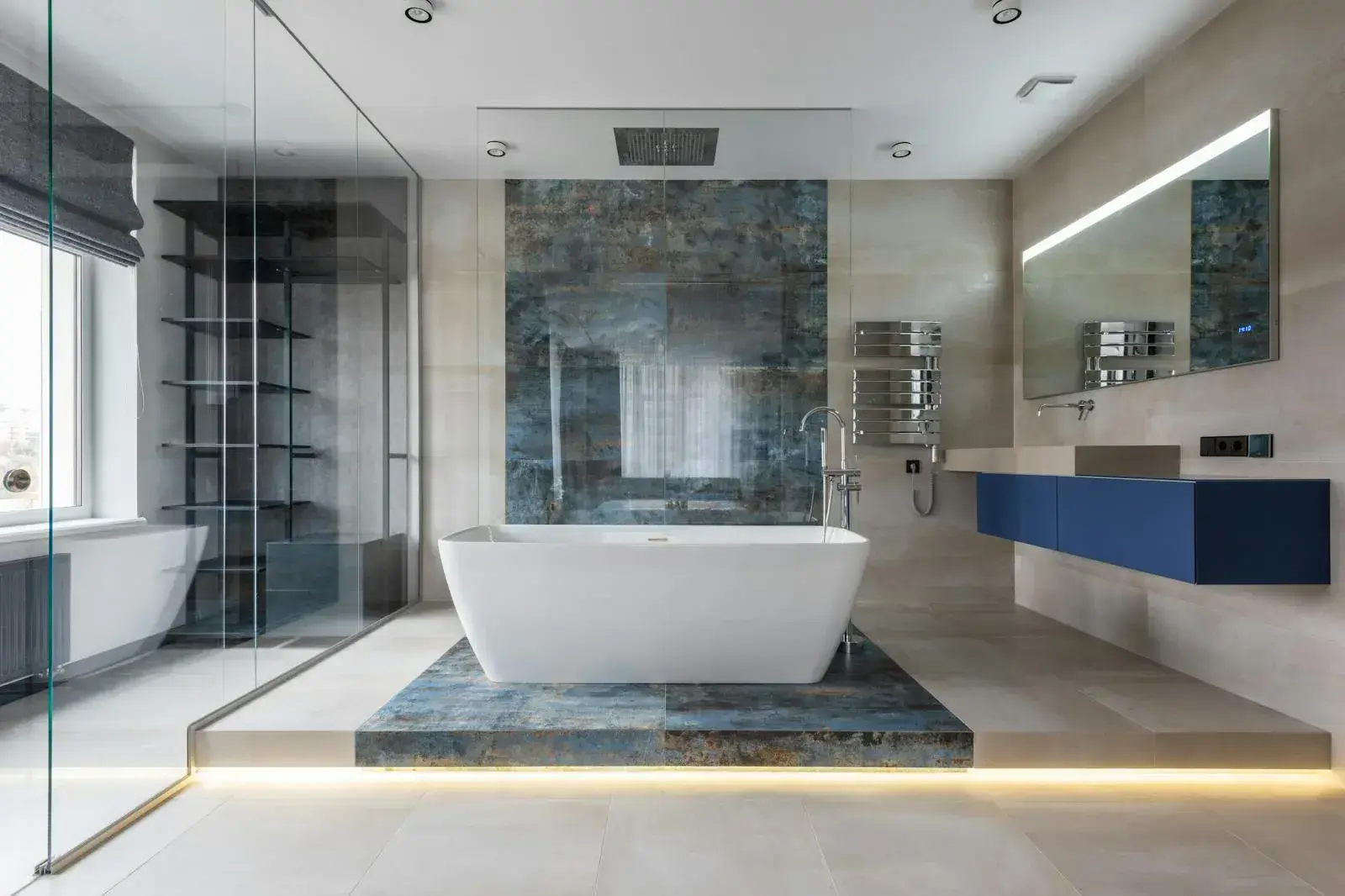
Porcelain Tile
Dense, low-absorption tile that handles wet areas and high traffic.
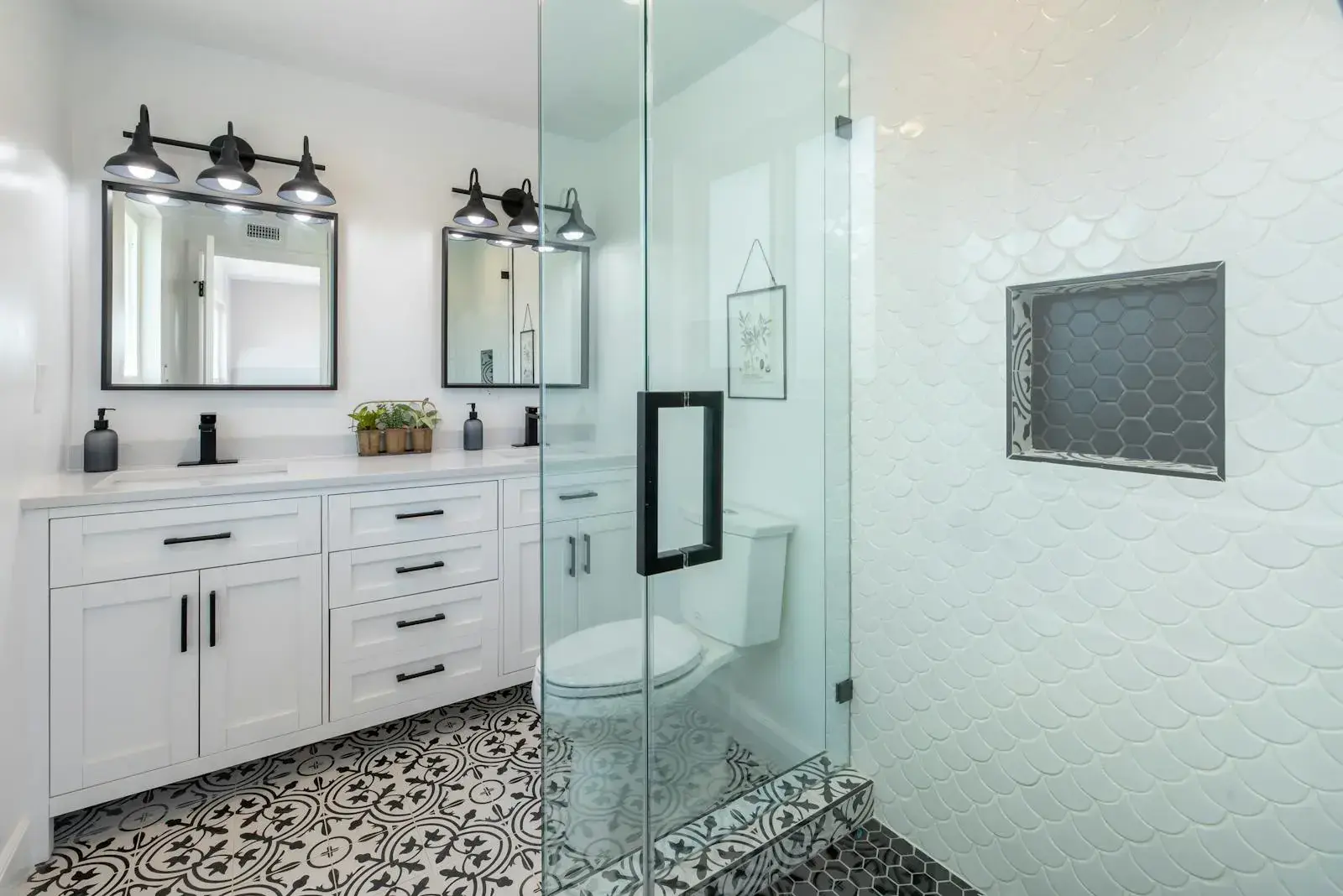
Ceramic Tile
Versatile, cost-effective tile available in countless colors and patterns.
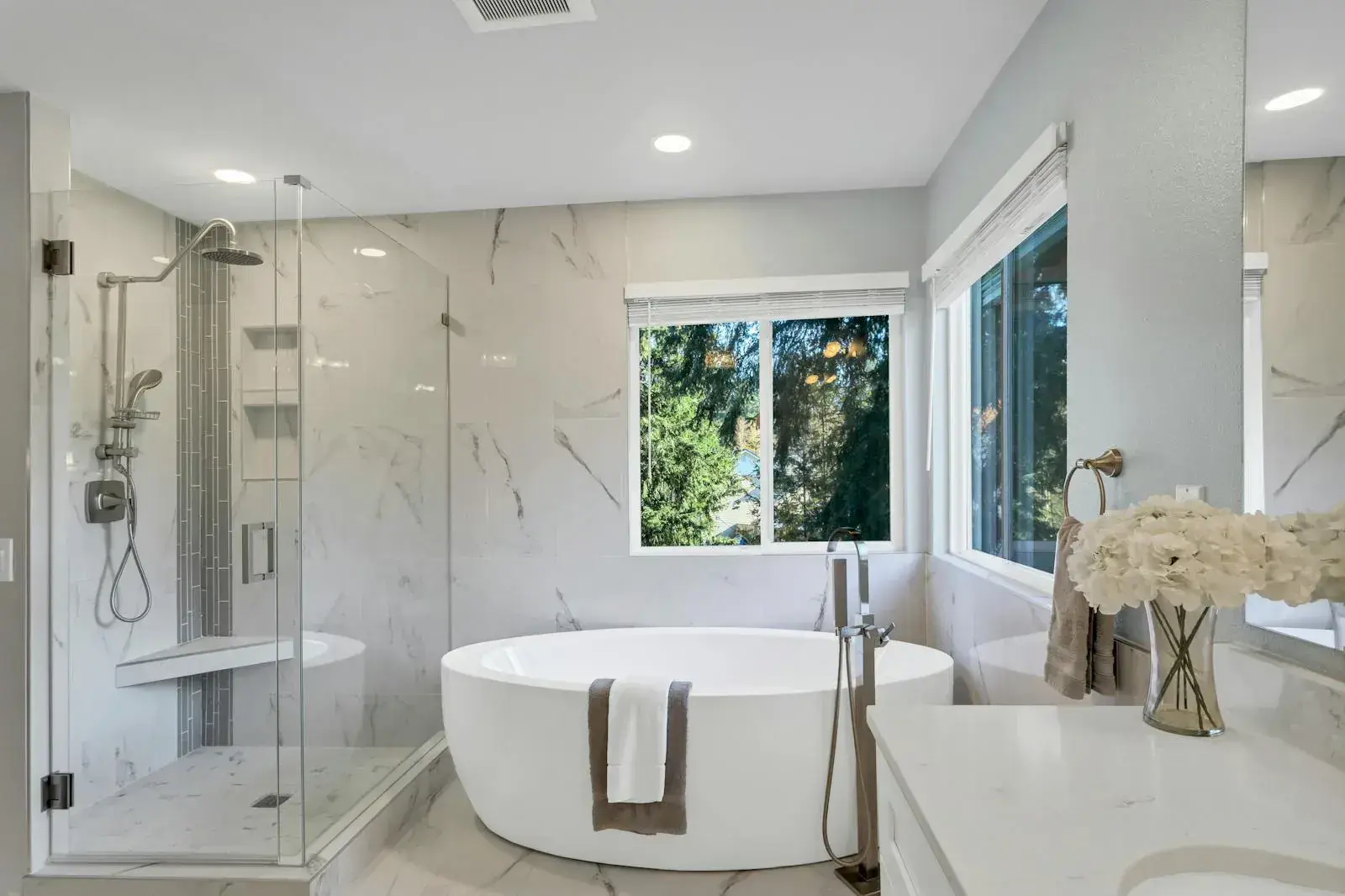
Bathroom Tile
Water-resistant tile for floors, walls, and showers in any bath.
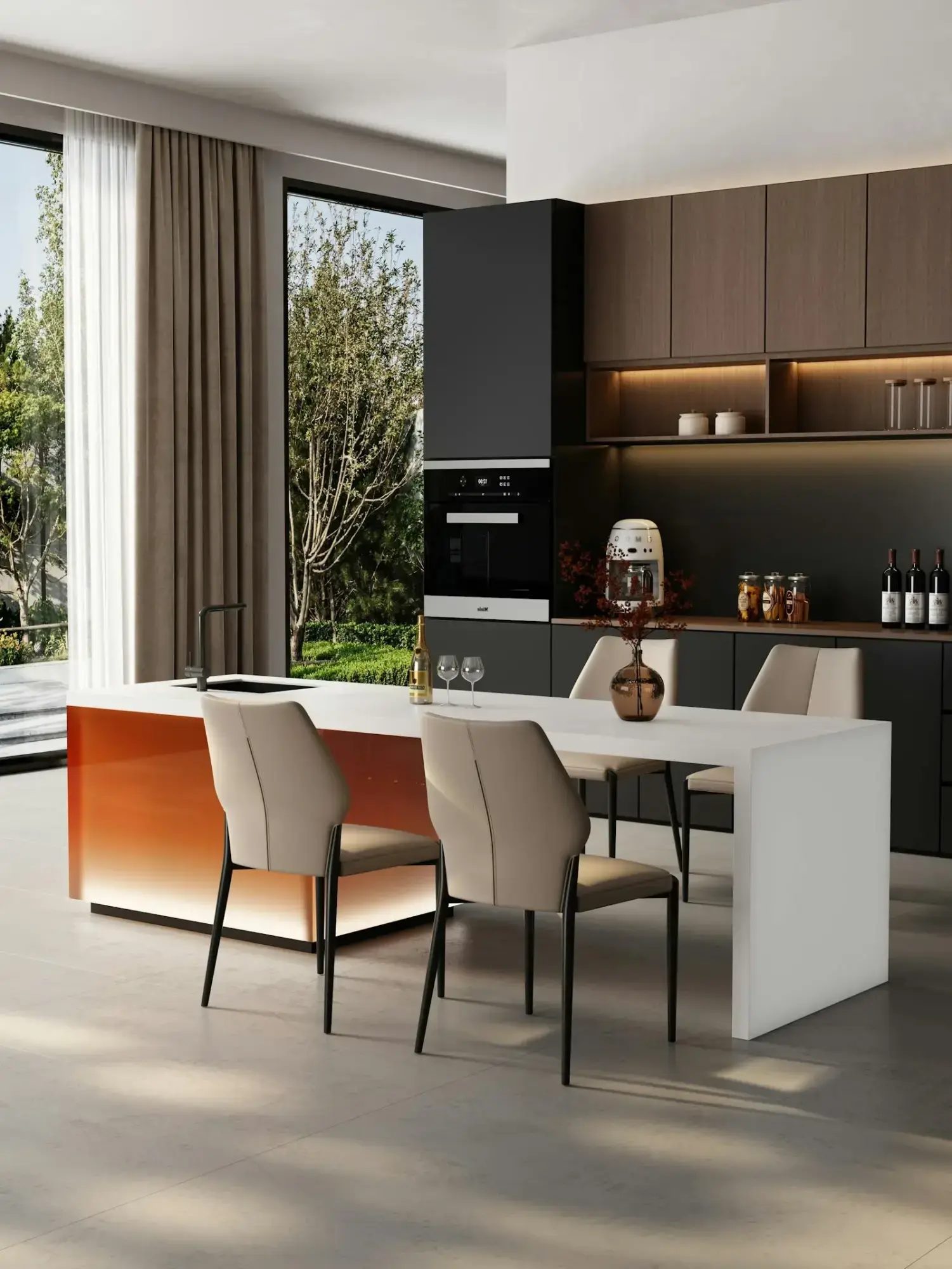
Kitchen Tile
Durable, easy-clean tile floors for the heart of your home.
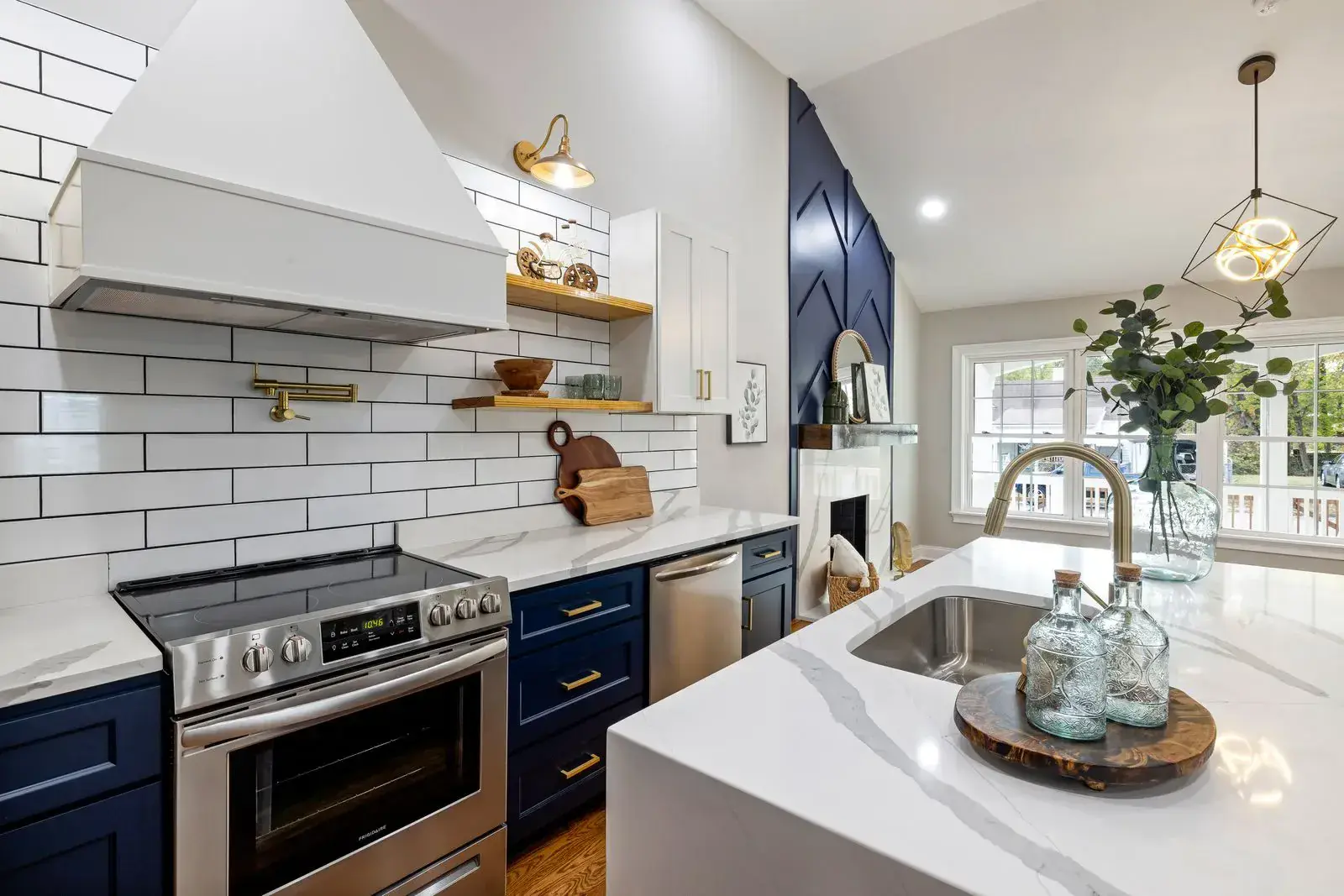
Backsplash Tile
Subway, mosaic, and statement backsplashes that finish a kitchen.
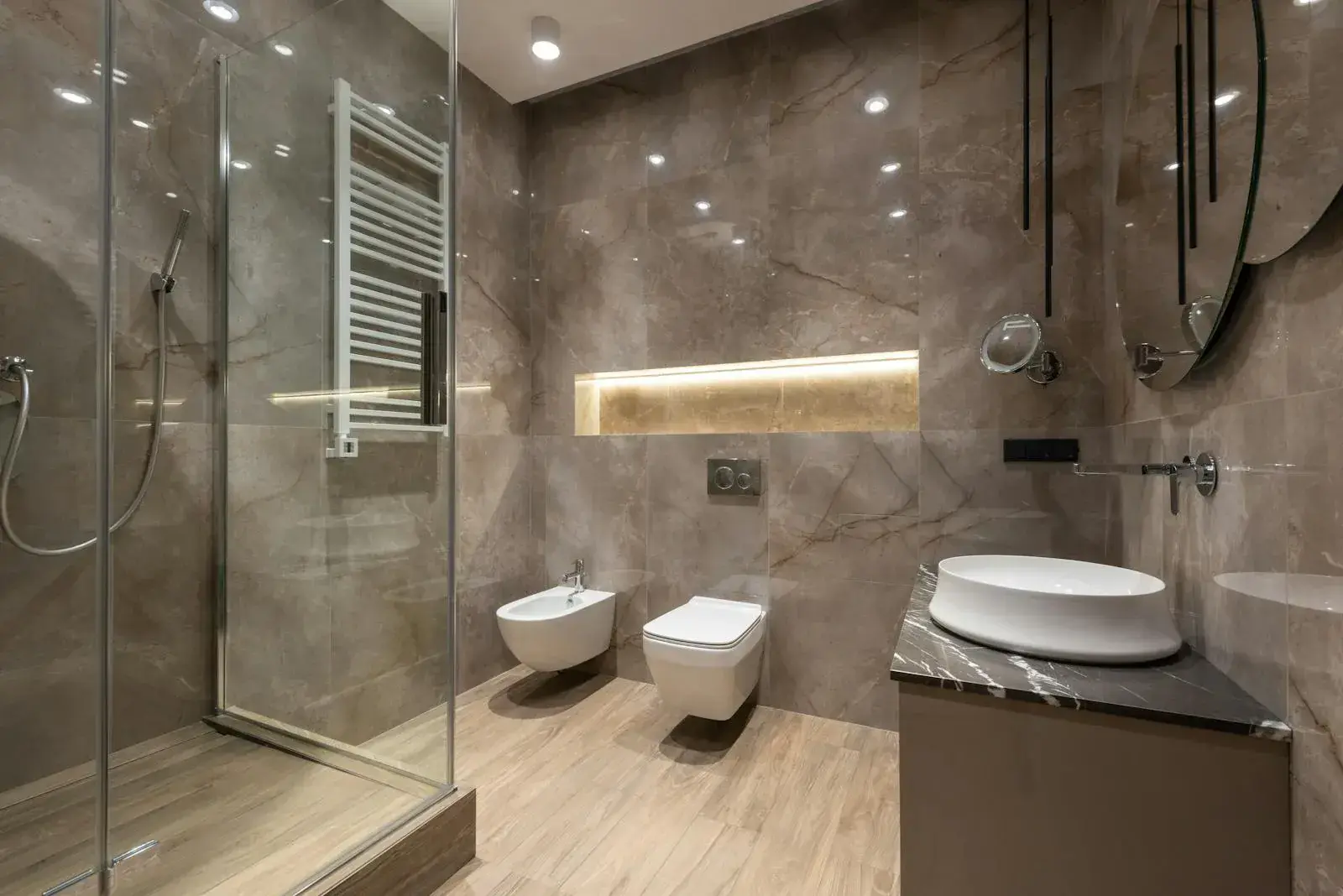
Shower Tile
Custom tile shower walls, floors, niches, and benches.
Tile & Stone Guide
Ready to Have New Natural Stone Flooring Installed in Your Amador County Home?
Natural stone flooring is the oldest finished floor still used today, and the modern catalog covers marble, travertine, slate, granite, and limestone, each quarried in slabs and cut into tiles or pavers. Unlike porcelain or ceramic, which are manufactured to consistent specifications, every piece of natural stone is unique: the veining, color shifts, mineral inclusions, and surface texture come from how the rock formed underground over millions of years. That visual variation is the central reason homeowners across Amador County, Sutter Creek, Jackson, Pine Grove, and Martell choose natural stone for entryways, primary bathrooms, fireplace surrounds, and feature spaces where character matters more than uniformity. Stone also brings real-world durability that modern manufactured tile aims to imitate but rarely matches in feel underfoot.
Read the full tile & stone guideShow less
The four most common stones used for floors behave very differently. Marble is the softest of the group, with a Mohs hardness of about 3 to 5, and it is the most prone to etching from acids, meaning lemon juice, vinegar, wine, and even some cleaning products can leave dull spots on a polished surface that no amount of sealing prevents. Marble belongs in primary bathrooms, decorative entries, and low-traffic formal spaces where its veining can be appreciated and the acid risk is manageable. Travertine is a porous limestone with a naturally pitted surface that is typically filled at the factory or in the field with grout or epoxy. It has a warmer, sandstone palette and stands up better than marble to everyday traffic, making it a popular choice for kitchens, sunrooms, and outdoor patios. Slate is a metamorphic rock with a clefted, naturally textured surface and a darker color range (gray, charcoal, rust, green). It is very durable, slip-resistant from its natural texture, and at home in rustic, craftsman, and cabin interiors common in the Sierra foothills. Granite is the hardest of the common floor stones, with a Mohs hardness of 6 to 7 and very low water absorption, which makes it nearly as forgiving as porcelain for everyday spills. Granite is more commonly chosen for countertops than floors, but granite tile and slabs work anywhere a hard, water-resistant stone is wanted. All natural stone is porous to some degree and requires sealing at installation and periodic resealing afterward (typically every one to three years depending on the stone, the finish, and the traffic). Penetrating sealers soak into the stone to slow water and stain absorption without changing the surface look; topical sealers add a sacrificial film for higher protection but change the sheen and eventually need to be stripped and reapplied. Finish matters as much as stone choice: polished marble is dramatic but slick when wet; honed (matte) marble is more practical for floors; tumbled travertine has a softened, antiqued look; flamed and brushed granite has more traction underfoot. Installation requires the same substrate prep as porcelain: flat, structurally sound subfloors, crack-isolation membranes where needed, and waterproofing in wet areas. Natural stone is also heavier per square foot than most ceramic or porcelain, which can matter on upper floors and over wood-framed subfloors. For homeowners willing to plan around the sealing schedule and the etching considerations of softer stones, natural stone delivers a floor with character that no manufactured tile matches, and it remains a featured part of our tile and stone showcase. Visit our Sutter Creek showroom to see how marble, travertine, slate, and granite samples compare under real lighting before you commit.
Ready to Transform Your Home?
Get a free estimate from our experienced team. We've been helping Gold Country homeowners since 1976.