
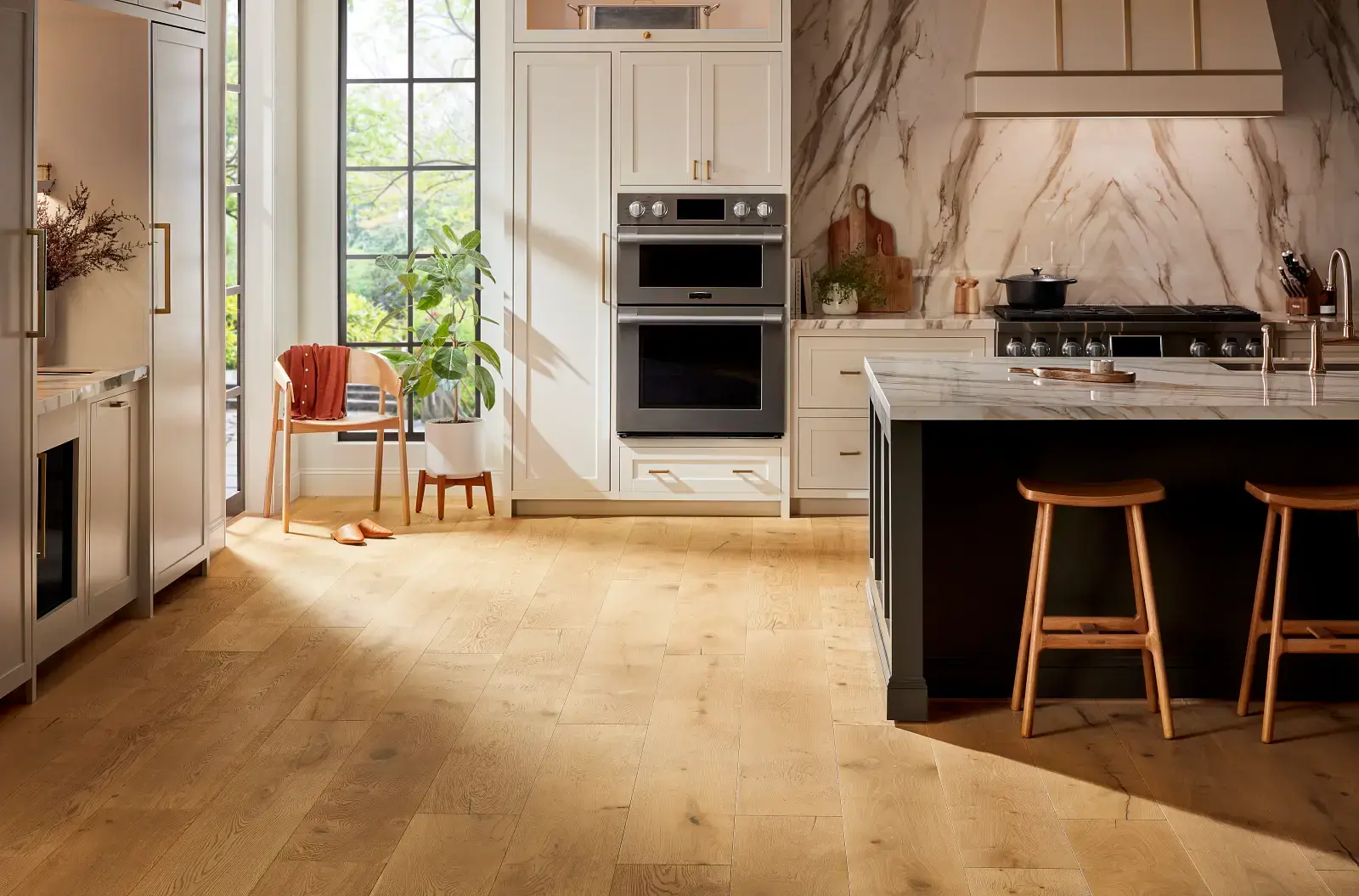
Amador County's largest flooring showroom, serving Ione, Pine Grove, Plymouth and El Dorado County. Real wood floors with the species, width, and finish chosen for your home, not a thumbnail. Compare solid and engineered hardwood in our Sutter Creek showroom.
Hardwood adds warmth, character, and lasting value to any home, and with proper care it can last for generations.
We carry both solid and engineered hardwood in oak, maple, hickory, and other species, in widths and finishes to match any style.
Visit our Sutter Creek showroom to compare samples side by side, or schedule a free in-home estimate.
Hardwood Flooring in Sutter Creek and Jackson
Solid and engineered hardwood samples from Johnson and other lines are in the Sutter Creek showroom, five minutes from downtown Jackson on Highway 49. Many of the older homes in both towns have oak under the carpet, and refinishing it is one of the options we walk through at the free in-home measure.
Our installers handle the raised foundations of Gold Rush-era houses and the plywood subfloors of the 1970s to 1990s subdivisions on the Highway 88 side. Ione, Pine Grove and Plymouth are within about twenty minutes, and the same in-house crew does the work there.
El Dorado County guides: Hardwood Flooring in Cameron Park, CA
Showroom at 100 Ridge Rd, Sutter Creek · Five minutes from Jackson on Highway 49 · Free in-home measure across Amador, Calaveras and El Dorado County · Directions
Hardwood flooring across Amador County
Same showroom, same crews. Volcano, Pioneer, Valley Springs, San Andreas, Cameron Park, Shingle Springs and Placerville are served the same way.
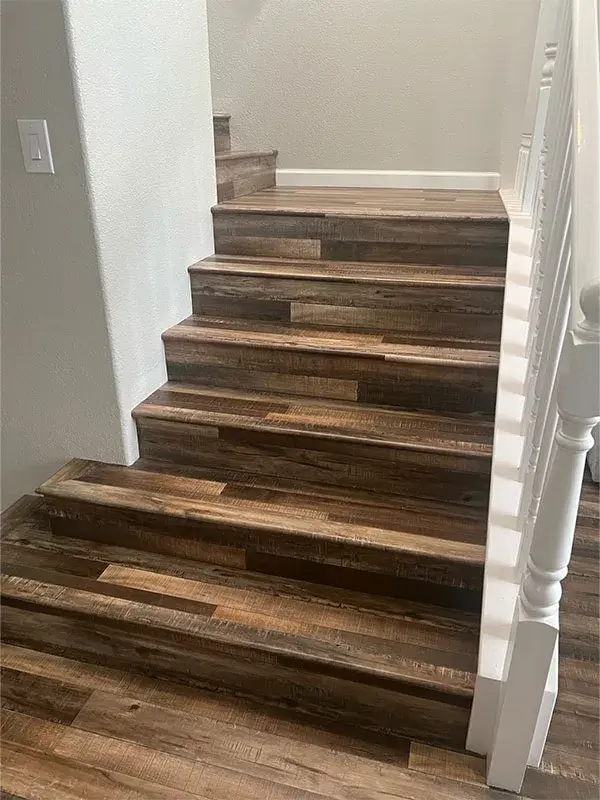
Hardwood flooring in Jackson
About 5 to 10 minutes from the showroom, Amador County.
Explore
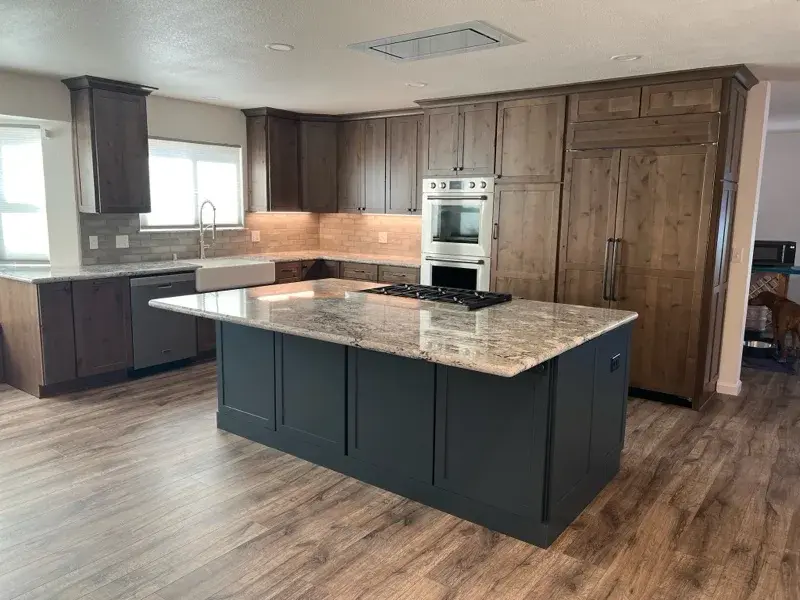
Hardwood flooring in Ione
About 15 to 20 minutes from the showroom, Amador County.
Explore
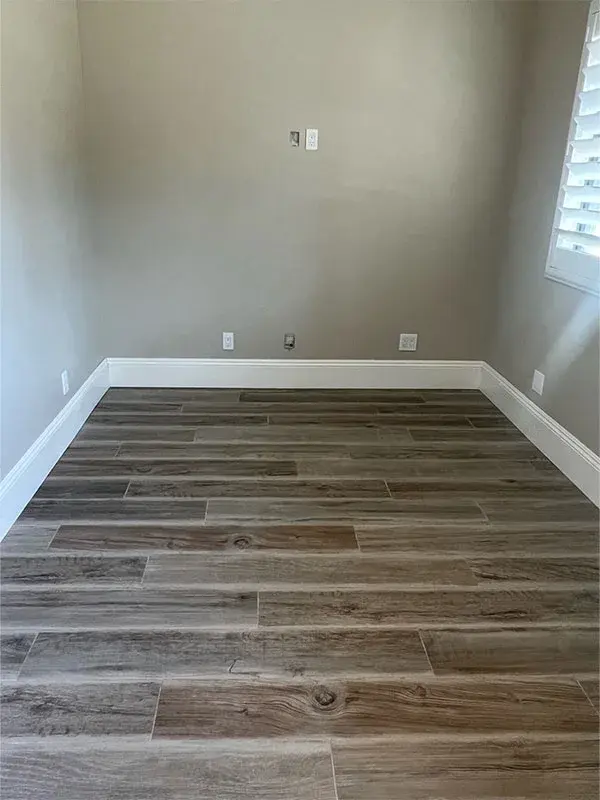
Hardwood flooring in Pine Grove
About 15 minutes from the showroom, Amador County.
Explore
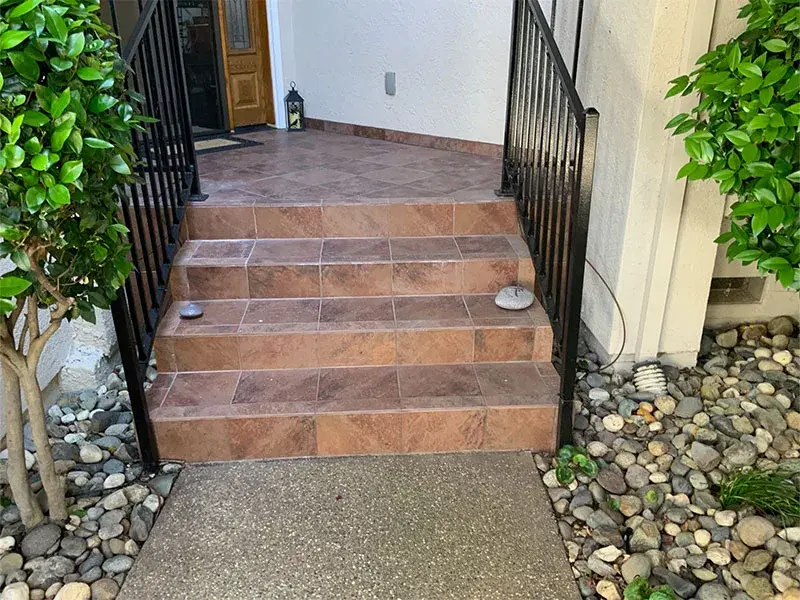
Hardwood flooring in Plymouth
About 10 to 12 minutes from the showroom, Amador County.
Explore
The Hardwood We Carry
Browse our actual hardwood selection and preview any style on your own floors with our room visualizer.
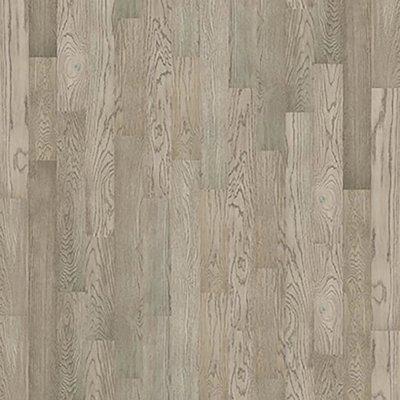
Oakridge
American Showcase
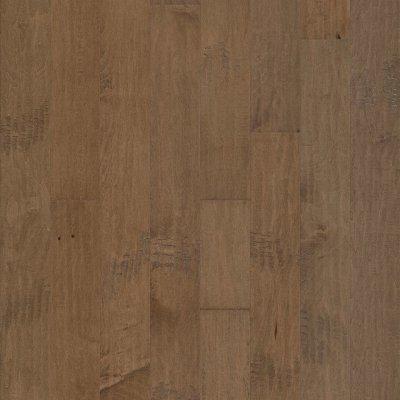
Mill Creek Maple 5"
Abbey Carpet
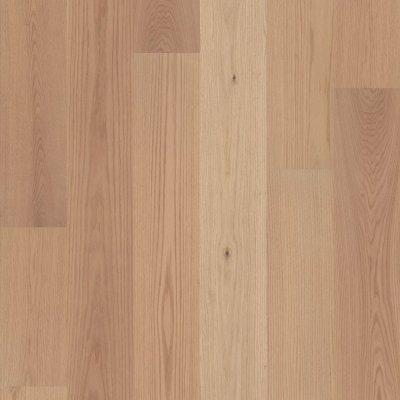
Grant Hollow Sliced Oak
Abbey Carpet
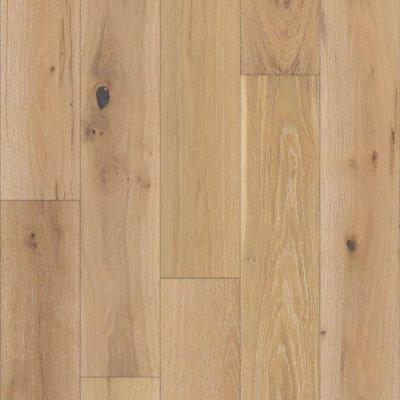
Monarch Bay Oak
Ageless Hardwood
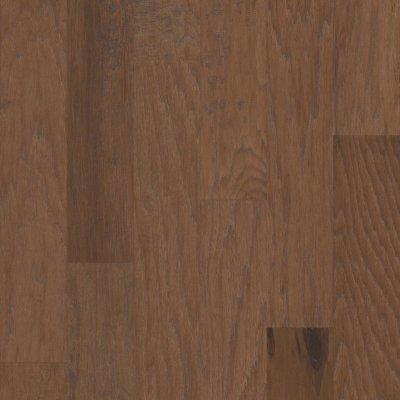
Westbriar Hill Hickory 5"
Abbey Carpet
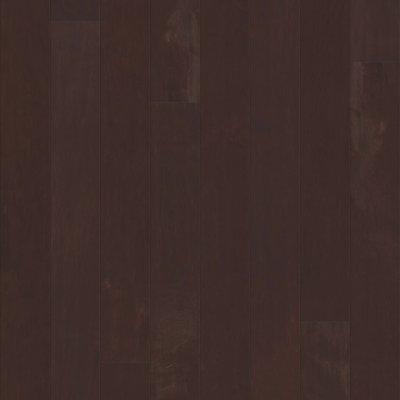
Twig Court
Abbey Carpet
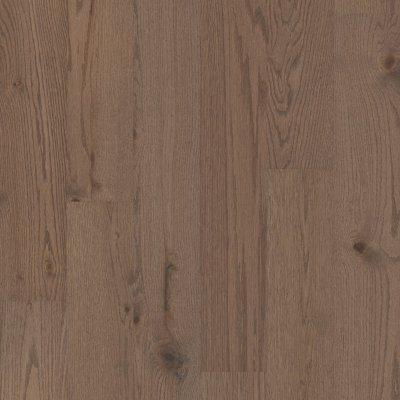
Ivy Ridge West
Abbey Carpet
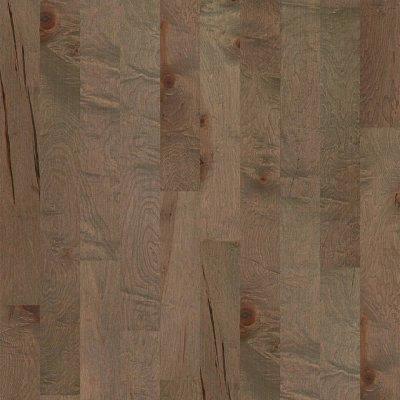
Bombato
Abbey Carpet
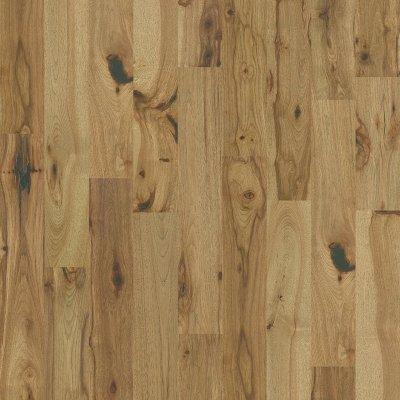
Crestfield Hickory
American Showcase
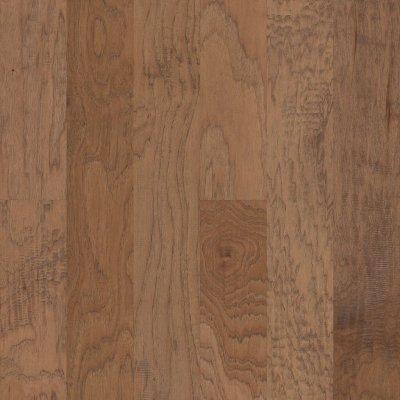
Elliot Hickory 5"
Abbey Carpet
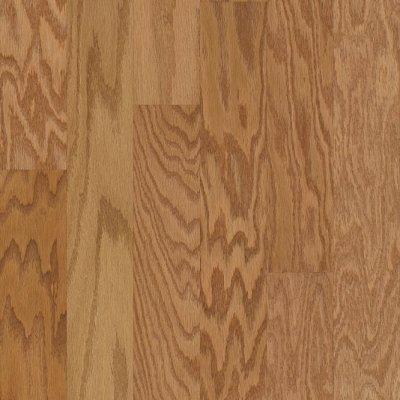
Everwood Run 3 1/4"
Abbey Carpet
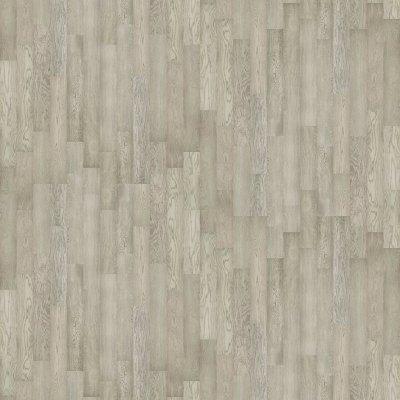
Waltham
Ageless Hardwood
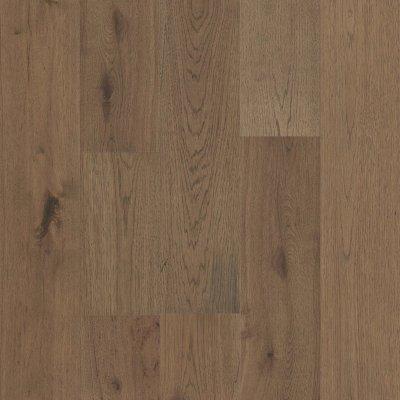
Ellenville
Ageless Hardwood
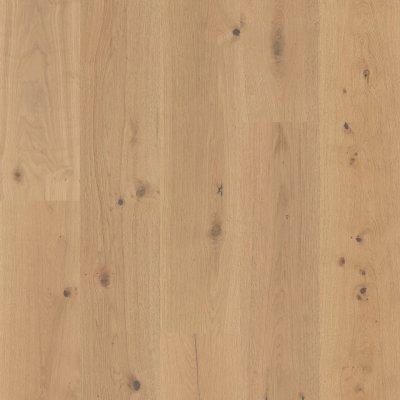
Heritage House
Abbey Carpet
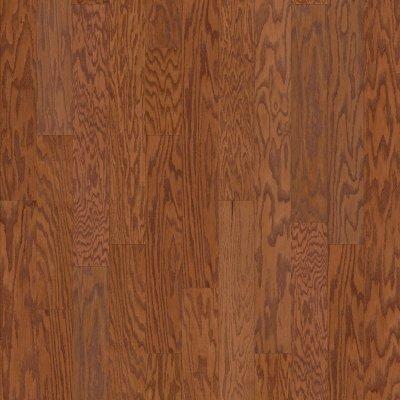
Everwood Run 5"
Abbey Carpet
Find the Right Hardwood
Start from a style you like or the project you have in mind. Every option below links to a deeper guide.
Shop by style
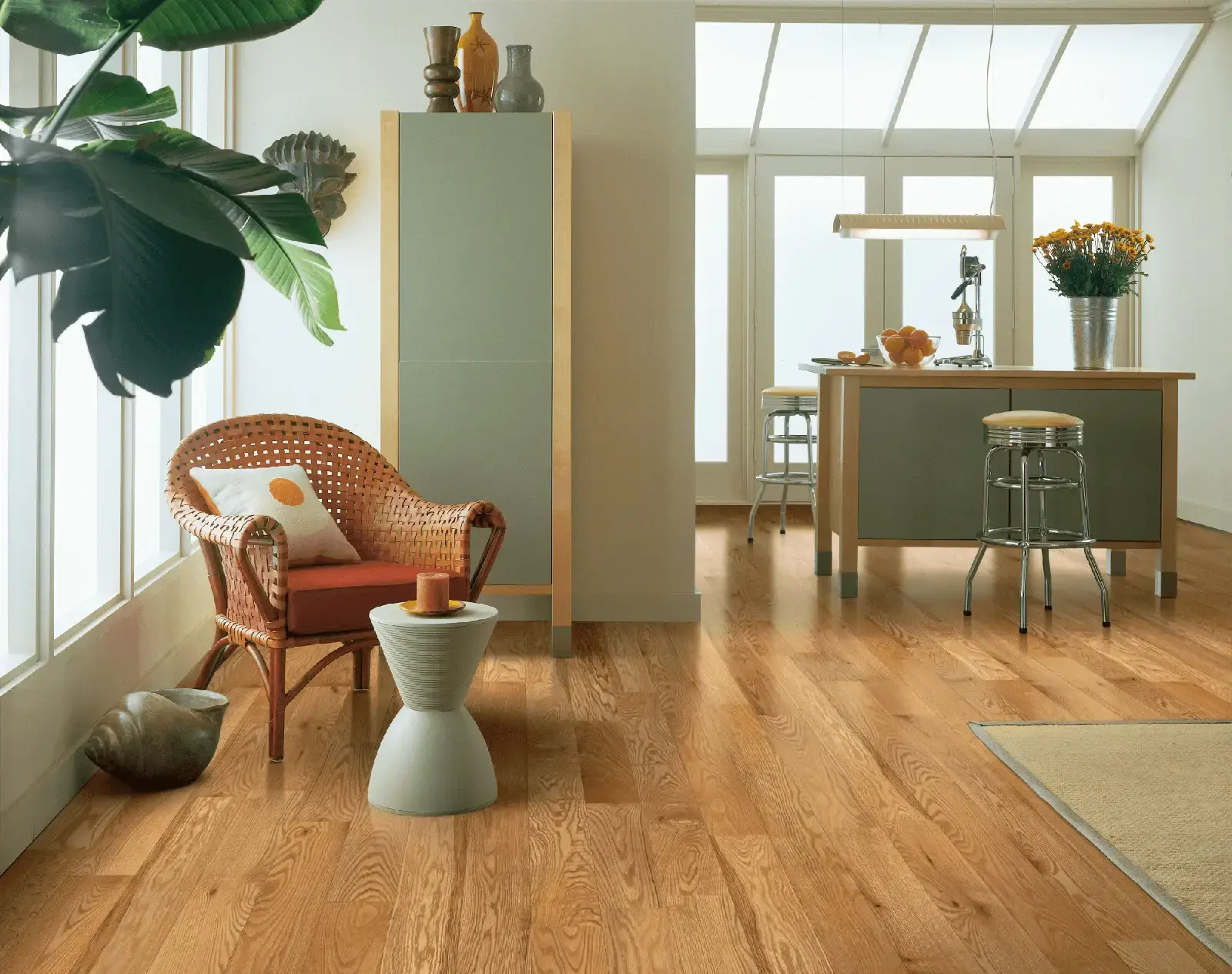
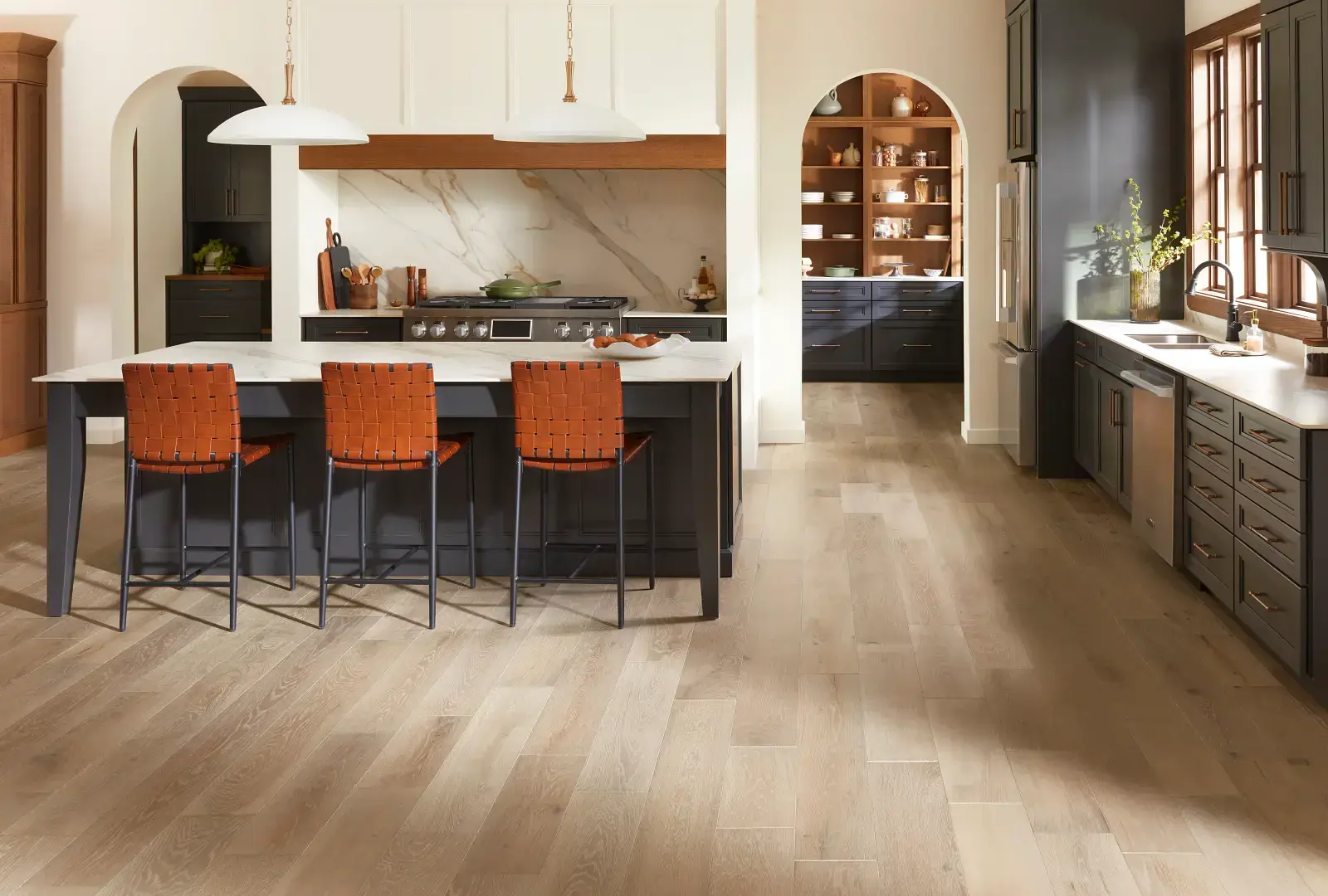
Shop by project
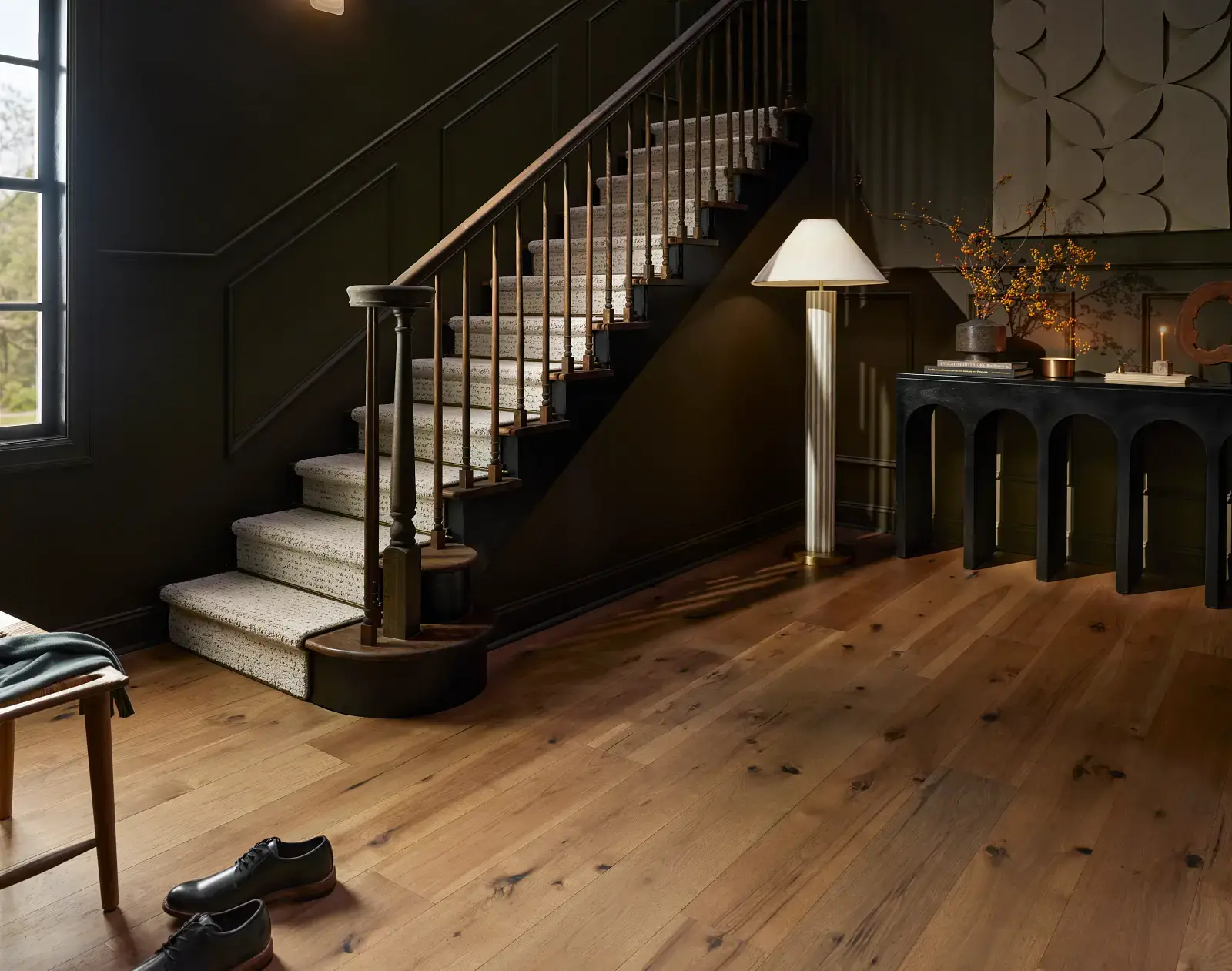
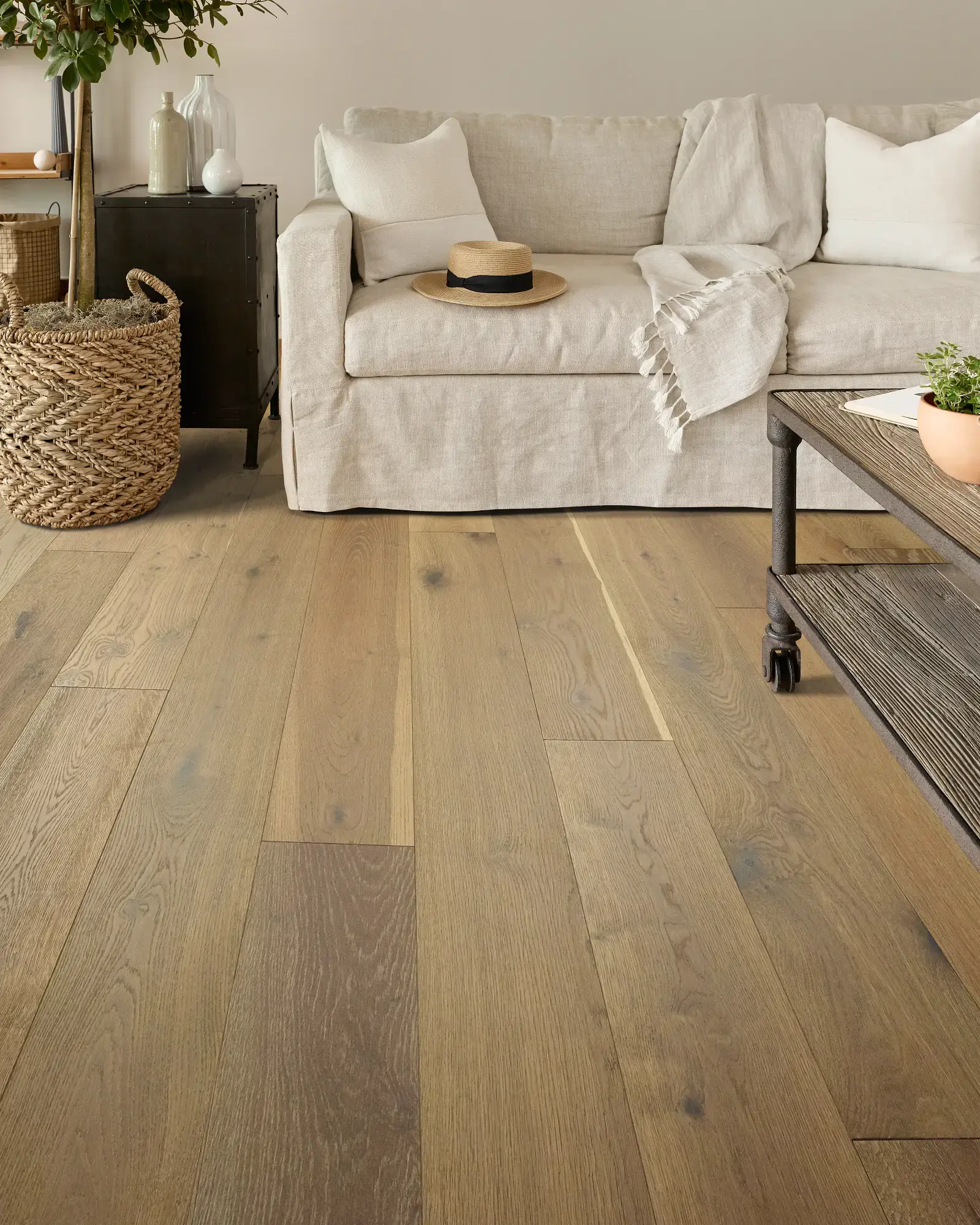
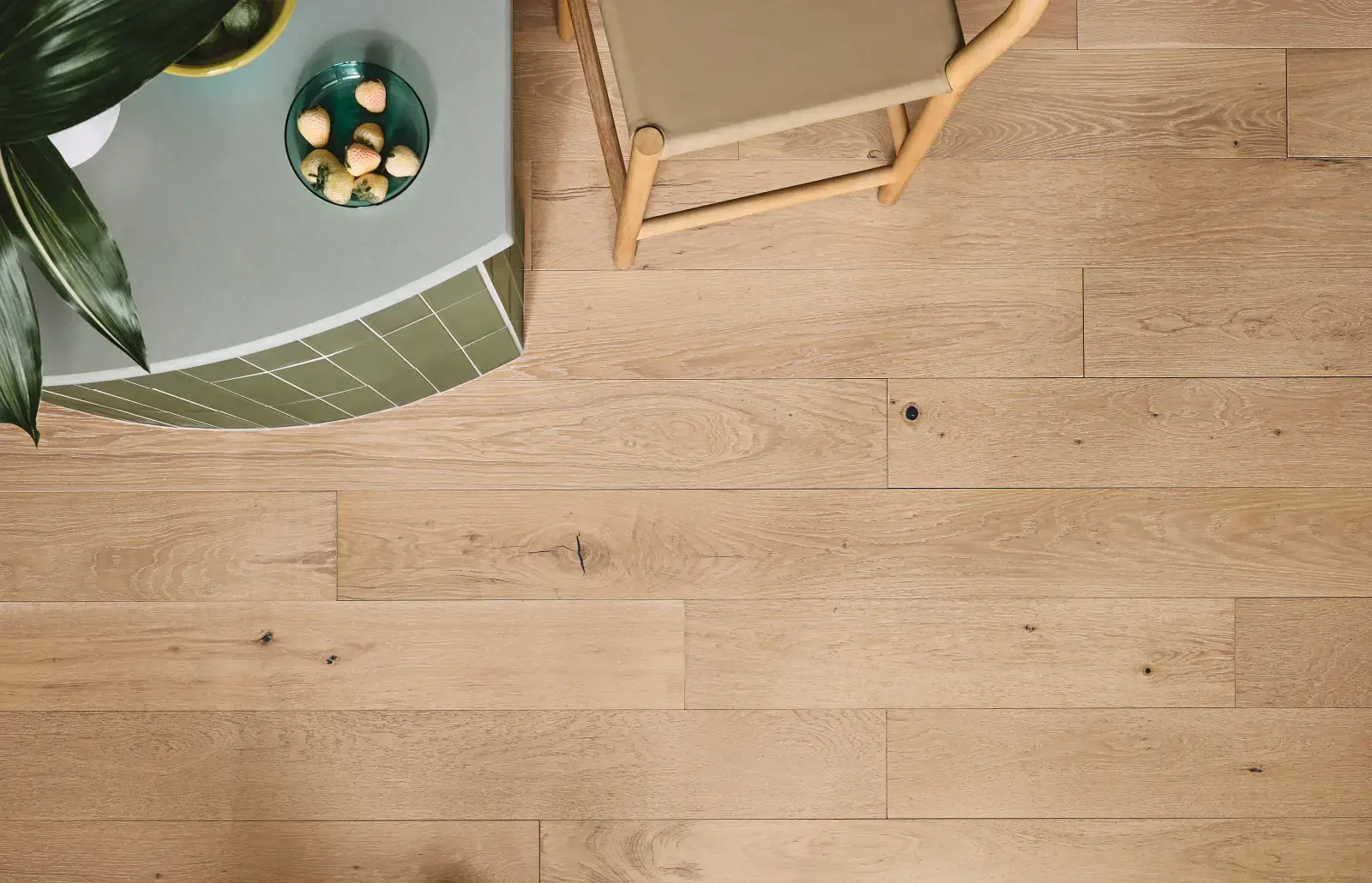
Featured hardwood brands, all in our Sutter Creek showroom









50 years in Amador County · Lifetime warranty · Free in-home estimates
Rated 4.9 from 98 Google reviews
“We hired Barron's Abbey Flooring & Home to transform our entryway staircase, and they did an outstanding job. This wasn't just a simple carpet replacement — they removed all the old carpet, trim, and materials from each individual stair and completely rebuilt them with custom oak. Our staircase isn't straight; it has a curve, which made the project even more challenging. But their crew handled it with precision and craftsmanship that really impressed us.”
01 / 05
Your New Hardwood in 3 Simple Steps
 Step 1
Free In-Home Estimate
We come measure, bring samples, and give you an honest written estimate at no cost.
 Step 2
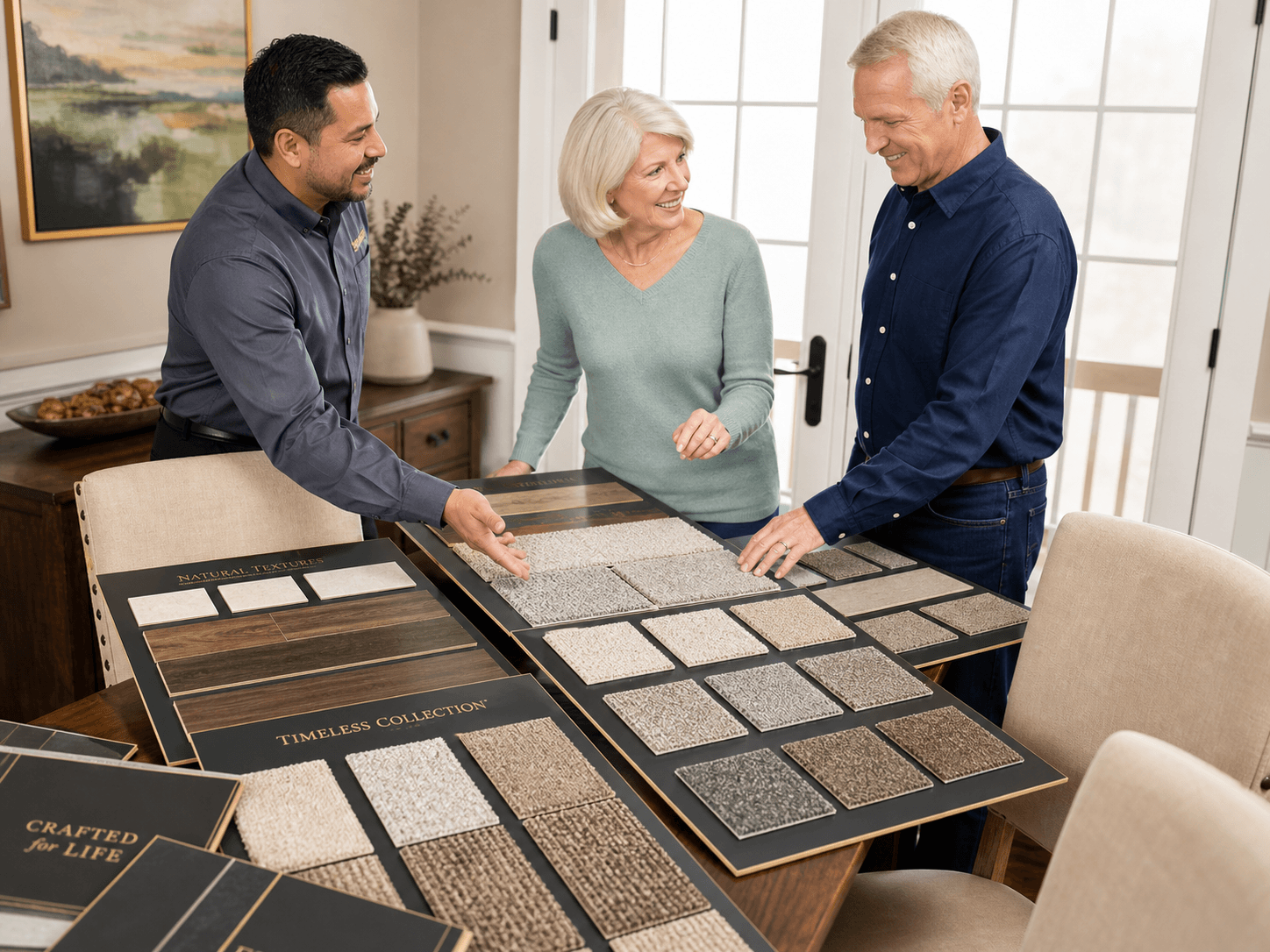
Pick Your Floors with Expert Help
Browse our Sutter Creek showroom or work with samples at home, our team helps you find the right product for your space and budget.
 Step 3
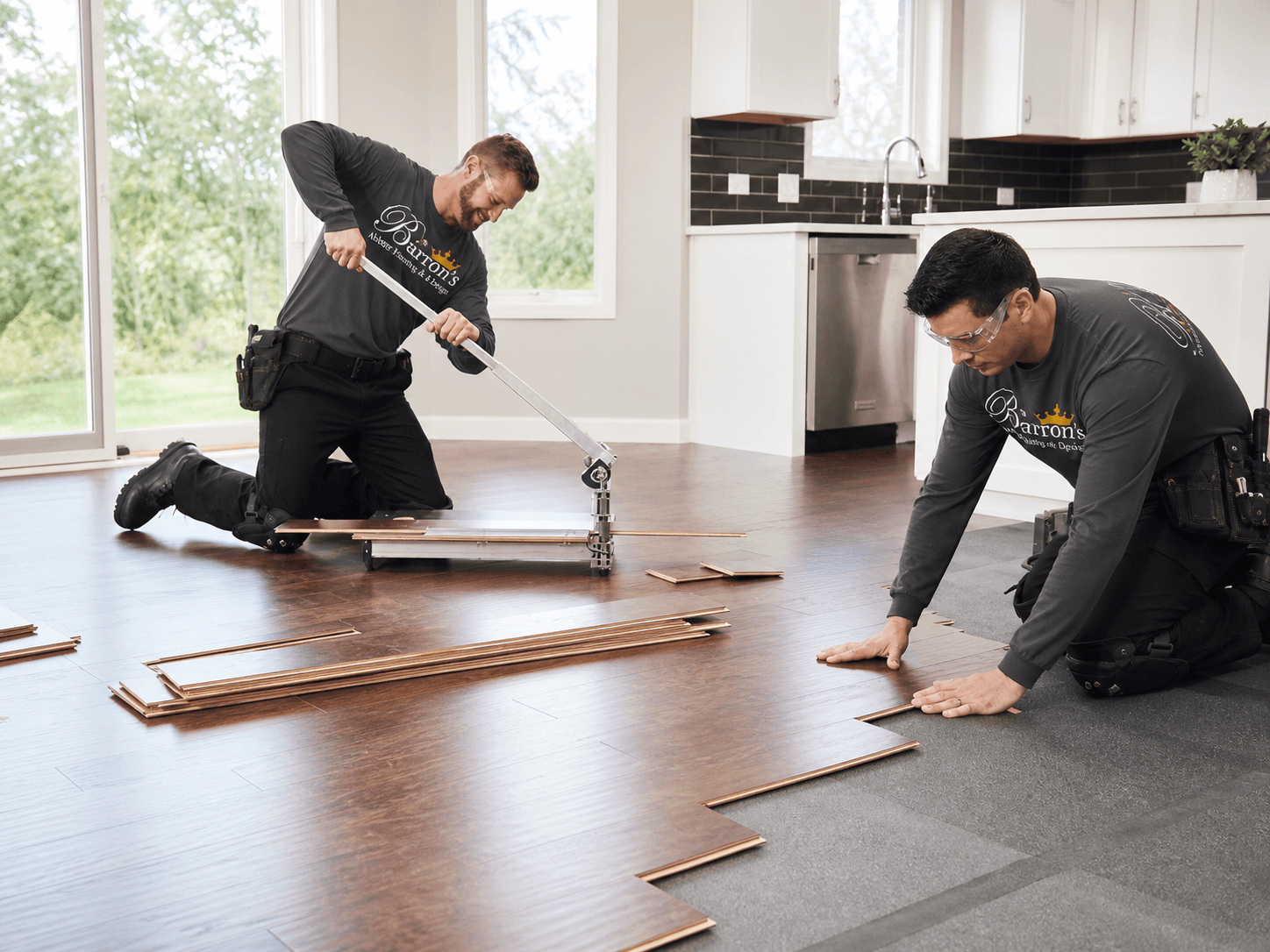
Professional Installation
Our experienced installers handle removal, prep, install, and cleanup, backed by our lifetime workmanship warranty.
Floors Now, Pay Over Time
Financing on approved credit makes your project affordable today. Ask about current promotions in our Sutter Creek showroom.
Hardwood FAQs
Solid or engineered hardwood, which is better?
Can hardwood go in a kitchen or bathroom?
How long does hardwood installation take?
Can I refinish my existing hardwood?
What species do you carry?
How do I care for hardwood?
Do you offer financing?
Hardwood Guide
Hardwood Flooring: Solid vs Engineered, Species, and What to Expect Over Time
Hardwood is the original premium flooring category, and it remains the only one where the surface you walk on is the same material a tree was growing as. Two constructions dominate the category today: solid hardwood, milled from a single piece of wood top to bottom, and engineered hardwood, which bonds a real-wood wear layer to a cross-grain plywood or HDF core. Both look identical from the surface because the wear layer is real wood in both cases. The differences live underneath, and they determine which construction is right for which room. Amador County homeowners choose hardwood when they want a floor that ages with character, adds resale value, and can be refinished to look new again decades into its life.
Read the full hardwood guideShow less
Solid vs engineered hardwood: which to choose
Solid hardwood is the more traditional product and the better long-term investment in most cases. A 3/4-inch solid plank can be sanded and refinished four or five times across its life, which means the same floor can carry a home through multiple owners and several decades of design refreshes. Solid hardwood is also the recommended choice for resale value in markets where buyers expect "real" wood, and it tends to age with the most character because the wear layer is unlimited. The trade-off is humidity sensitivity. Solid hardwood expands and contracts seasonally, which is why it cannot be installed below grade, on concrete slabs, or over radiant heat without significant moisture management.
Engineered hardwood was developed specifically to solve solid's humidity problem. The cross-grain core resists the swelling and shrinking that warps solid wood, which lets engineered planks install cleanly in basements, over concrete slabs, in coastal climates, and on top of radiant heat systems. Visually it is indistinguishable from solid because the surface is real wood. The trade-off is refinishing depth. Most engineered planks can be refinished once or twice (a 2mm wear layer refinishes once, a 6mm wear layer two or three times), where solid hardwood can be refinished four or five times.
The decision usually comes down to where the floor is going and how long it needs to last. If the room sits above grade on a wood subfloor in a stable-humidity home and you plan to live there twenty or more years, solid is usually the better long-term value. If the room is a basement, a kitchen with a slab subfloor, or a rental property where the floor needs to install fast and never warp, engineered is the right choice. Both products are available from Bruce, Mohawk, Shaw, Kährs, Mullican, and Anderson Tuftex through the Sutter Creek showroom.
Common hardwood species and how they wear
Hardwood species are ranked by the Janka hardness test, which measures how much force is needed to embed a steel ball halfway into a wood sample. Higher Janka means harder and more dent-resistant wood. Red oak (Janka 1290) is the most common American hardwood floor species, with strong grain pattern and a warm reddish tone that takes stain beautifully. White oak (Janka 1360) has a tighter, straighter grain and a cooler, neutral tone that has become the dominant choice in modern design over the past decade. Maple (Janka 1450) is harder still with a very fine, almost grainless surface that shows finish more than grain. Hickory (Janka 1820) is the hardest common species, with dramatic color variation from cream to deep brown in the same plank. Walnut (Janka 1010) is softer than oak but prized for its rich dark color and quiet grain. Cherry (Janka 950) is softer still and known for darkening dramatically over its first few years of sun exposure.
Plank widths, finishes, and edge profiles
Width ranges from traditional 2-1/4 inch strip flooring (common in homes built before 1980) through standard 3 and 4 inch widths, into wide-plank 5, 7, and 9 inch boards that have dominated new construction over the past decade. Wider planks show more of the grain pattern per board and make a room feel larger, but they also move more with humidity, which is why they are most often sold as engineered rather than solid in widths above 5 inches. Finishes include matte, satin, and gloss in clear urethane, plus hand-scraped, wire-brushed, distressed, and smoked treatments that add visual texture and hide everyday wear better than smooth finishes. Edge profiles vary from square edge (a tight modern look where planks read as one continuous floor) to micro-bevel (a slight V-groove between planks that highlights each board and hides minor height variations).
Why people choose hardwood over other floors
Hardwood has practical advantages that explain why it remains the premium choice in the category, even as engineered alternatives have improved:
- Exceptional longevity. Properly maintained hardwood floors routinely last fifty to one hundred years. Few other flooring categories outlast the home they were installed in.
- Refinishability. When the finish wears or the floor takes damage, sanding and refinishing brings the original surface back. No other material in this category can be restored without replacing it.
- Resale value. Real-wood floors are one of the few renovations buyers will pay a premium for in most markets. The National Association of Realtors regularly ranks new hardwood among the highest-ROI home improvements.
- Allergen reduction. Smooth hardwood surfaces hold less dust, dander, and pollen than carpet, which makes them a popular choice for households with allergies or pets.
- One-of-a-kind character. Every plank's grain pattern is unique because every tree's growth was unique. No two hardwood floors are identical, which is impossible to replicate with manufactured flooring.
Care, refinishing, and what hardwood looks like at 20 years
Day-to-day care is straightforward: sweep or vacuum regularly with a hard-floor setting, damp-mop occasionally with a manufacturer-approved hardwood cleaner, and avoid standing water and steam mops. Felt pads under furniture protect the finish from scuffing. Rugs in entry zones catch the grit that does most of the damage. Refinishing intervals vary with traffic, but most residential hardwood floors benefit from a recoat (light sanding plus fresh topcoat) every seven to ten years and a full refinishing (sanding down to bare wood plus new stain and finish) every twenty to thirty years. At twenty years a well-maintained hardwood floor will look noticeably aged with subtle dents, finish wear patterns in traffic lanes, and the deepening color that comes from light exposure, which most homeowners consider a feature rather than a flaw. Visit our Sutter Creek showroom to handle solid and engineered samples side by side under real lighting before you commit.
Discover the Difference at Barron's Flooring & Home
Barron's Flooring & Home has been installing hardwood floors across Amador County since 1976. From classic red oak in historic Sutter Creek homes to wide-plank engineered floors in new builds in Jackson and Martell, our team has seen every kind of project this region throws at us.
We carry both solid and engineered hardwood from the brands homeowners trust (Bruce, Mohawk, Shaw, Kahrs, Mullican), in species ranging from traditional oak and maple to hickory, walnut, and exotic options. Our Sutter Creek showroom lets you compare colors, widths, and finishes side by side under real lighting.
Whether you're refinishing original floors in a Gold Country farmhouse or installing new hardwood in Pine Grove, we'll guide you through the choices and back the work with a lifetime workmanship warranty. Schedule a free in-home estimate to get started.
Ready to Transform Your Home?
Get a free estimate from our experienced team. We've been helping Gold Country homeowners since 1976.