
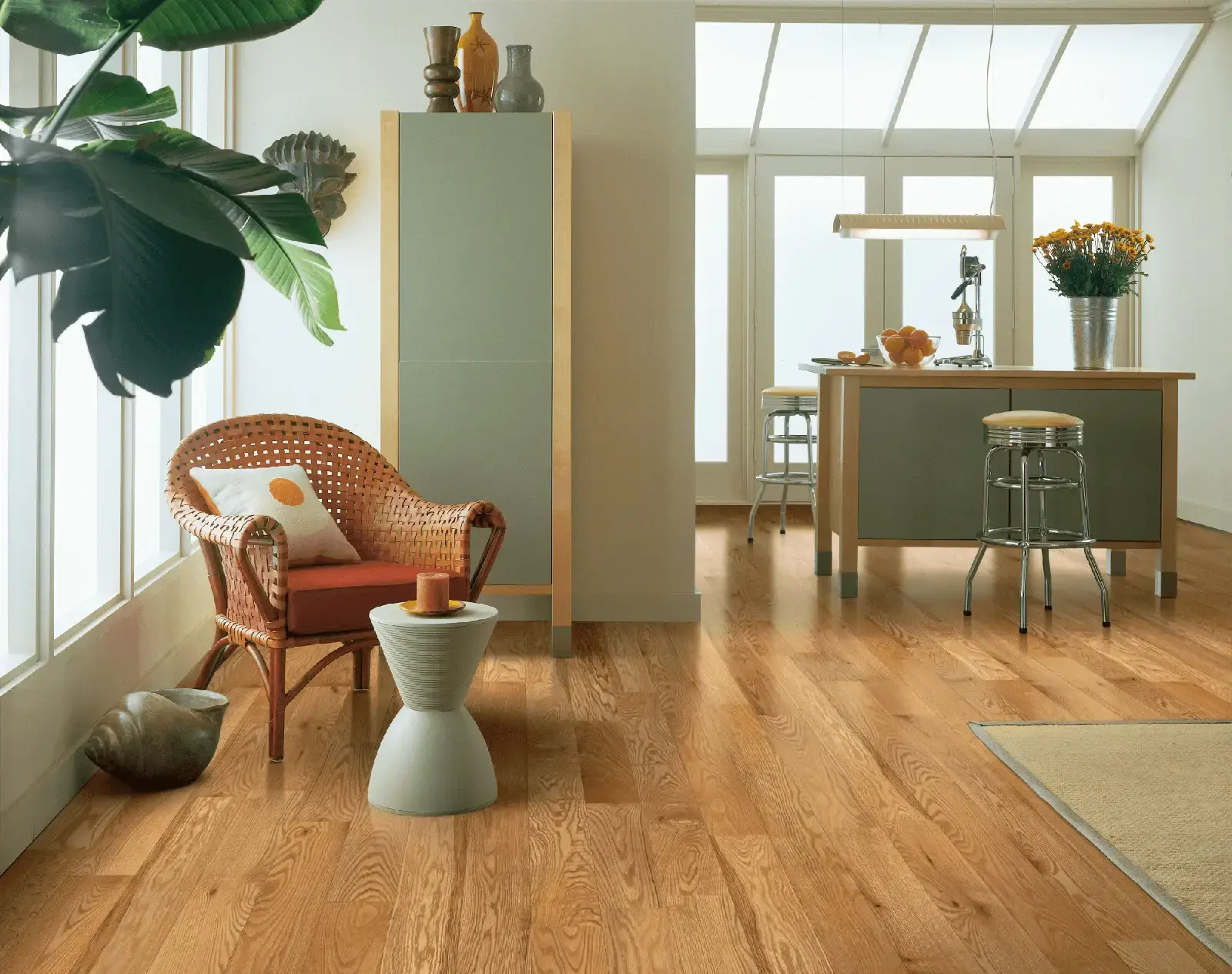
What is solid hardwood flooring?
Solid hardwood is milled from a single piece of wood, top to bottom. The classic choice for living rooms, dining rooms, and homes built to last generations.
Finish layer. Factory-applied topcoat that resists scratches and stains.
Solid wood plank. Full thickness of one species, same grain all the way through.
Tongue and groove. Milled edges lock planks together for a seamless floor.
Refinishable. Can be sanded down and refinished multiple times.
- Lasts generationsOutlives most flooring.
- Adds home valueSought-after by buyers.
- Refinish for lifeRestore, don't replace.
Why choose solid hardwood flooring?
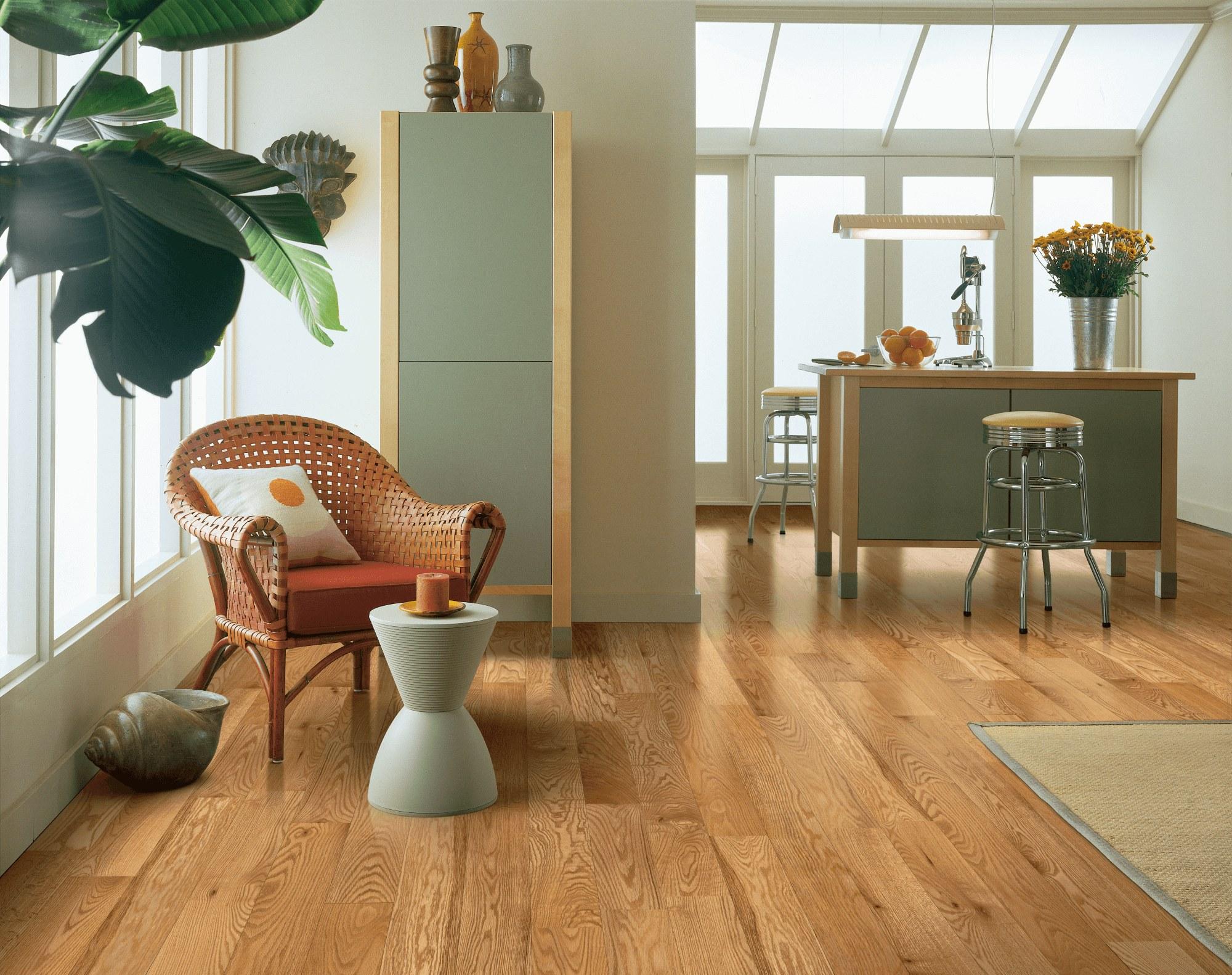
Solid hardwood is the floor you buy once. A single species milled top-to-bottom can be sanded and refinished four or five times across its life, meaning the same plank in your living room could carry through two or three remodels. If you've found your forever home, the long-term math beats almost every other flooring category.
The honest tradeoff is humidity sensitivity. Solid hardwood expands and contracts seasonally, which is why it's typically installed above grade, not in basements, not on slabs. If you need a wood look in those conditions, engineered hardwood is the right answer. For everywhere else in a home built to last, solid wins on character and resale value.
Solid hardwood features
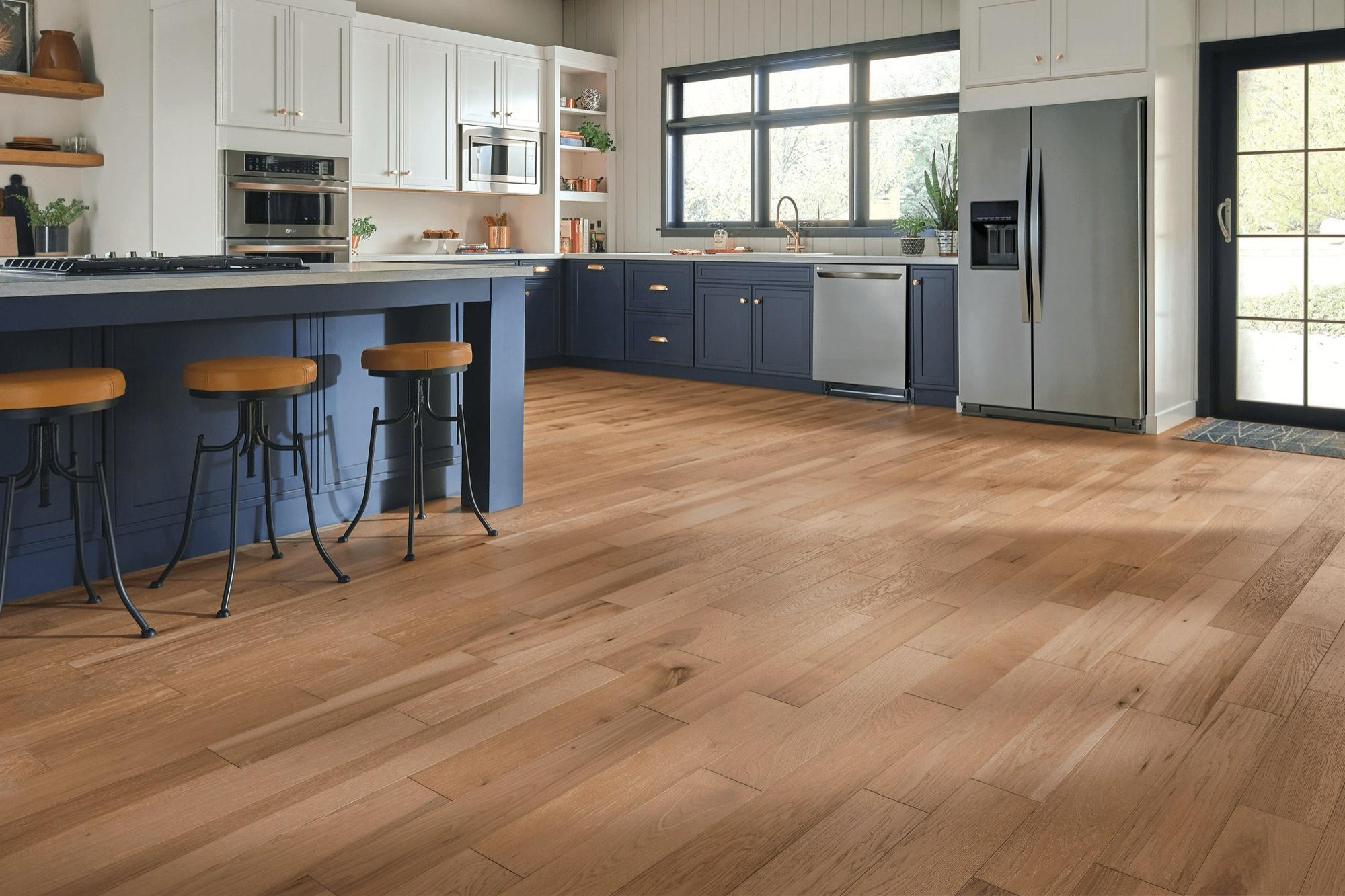
The flooring choice that pays you back over decades.
- Refinishable four-plus times, restore instead of replace.
- Historically increases home resale value more than most flooring categories.
- Authentic wood character. Every plank is unique, none mass-produced.
50 years in Amador County · Lifetime warranty · Free in-home estimates
Rated 4.9 from 98 Google reviews
“We hired Barron's Abbey Flooring & Home to transform our entryway staircase, and they did an outstanding job. This wasn't just a simple carpet replacement — they removed all the old carpet, trim, and materials from each individual stair and completely rebuilt them with custom oak. Our staircase isn't straight; it has a curve, which made the project even more challenging. But their crew handled it with precision and craftsmanship that really impressed us.”
01 / 05
Related Hardwood Options
Explore other hardwood styles and projects we handle.
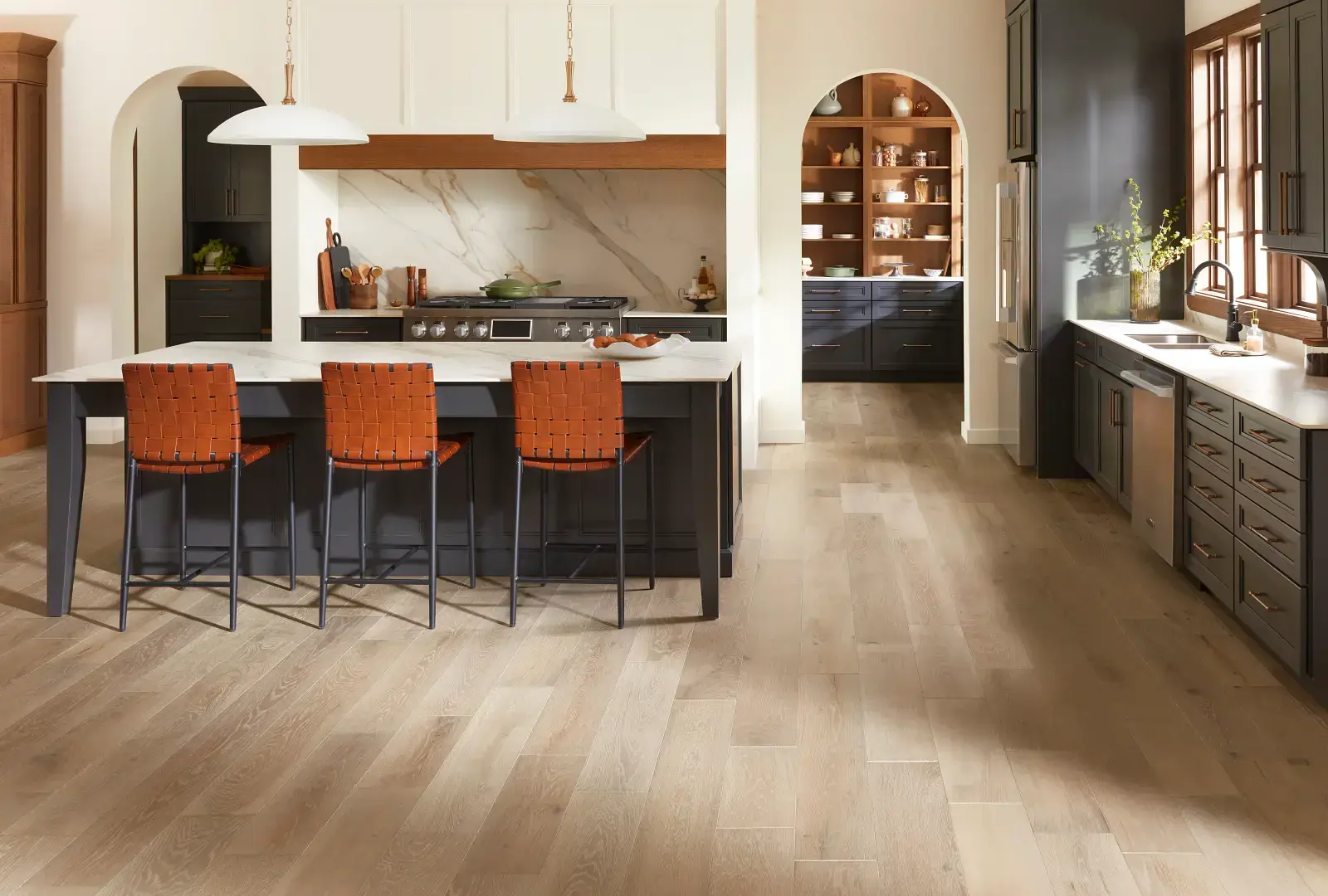
Engineered Hardwood
Real wood veneer over a stable plywood core, more forgiving in changing conditions.
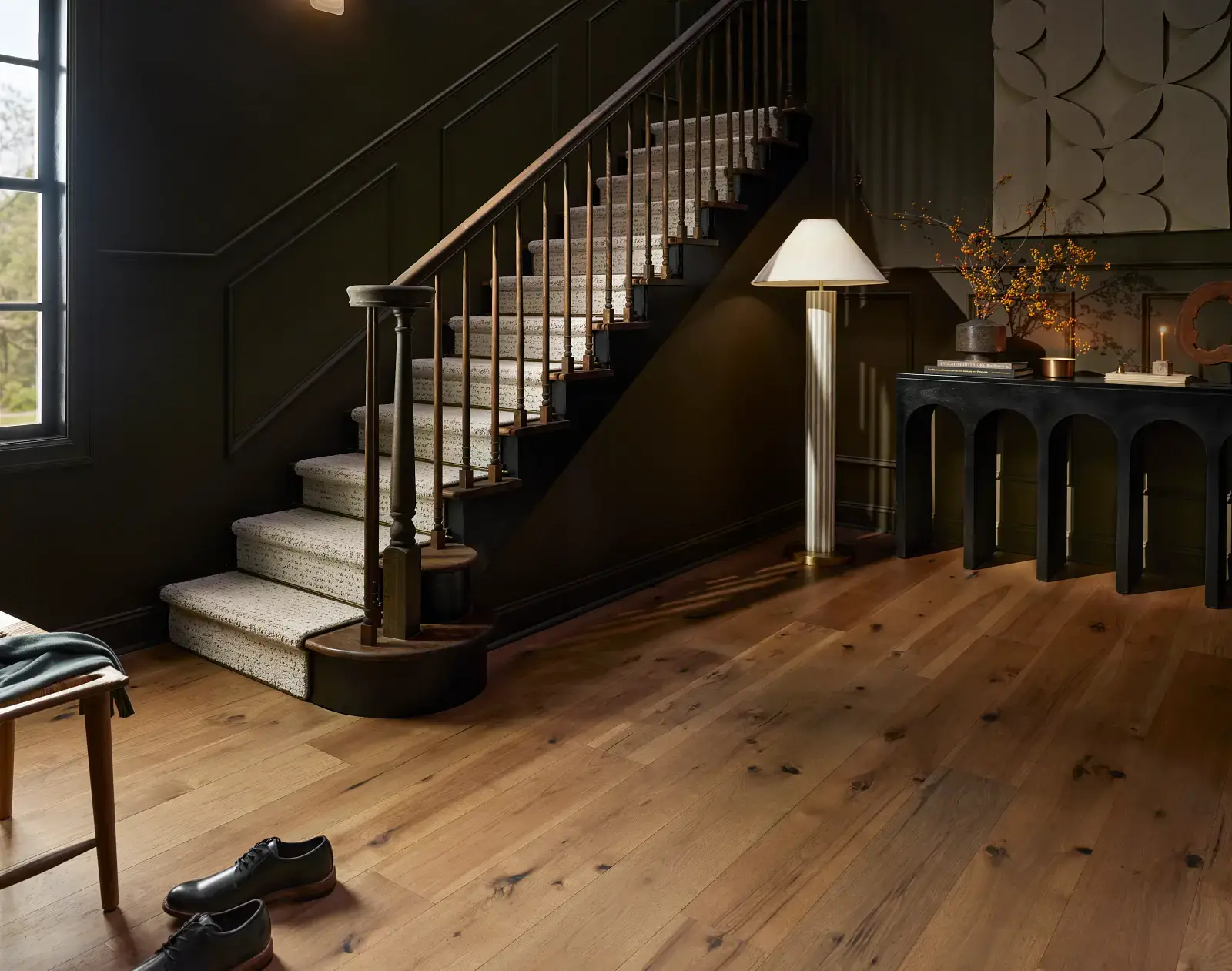
Hardwood Refinishing
Sand, stain, and seal existing hardwood to bring it back to life.
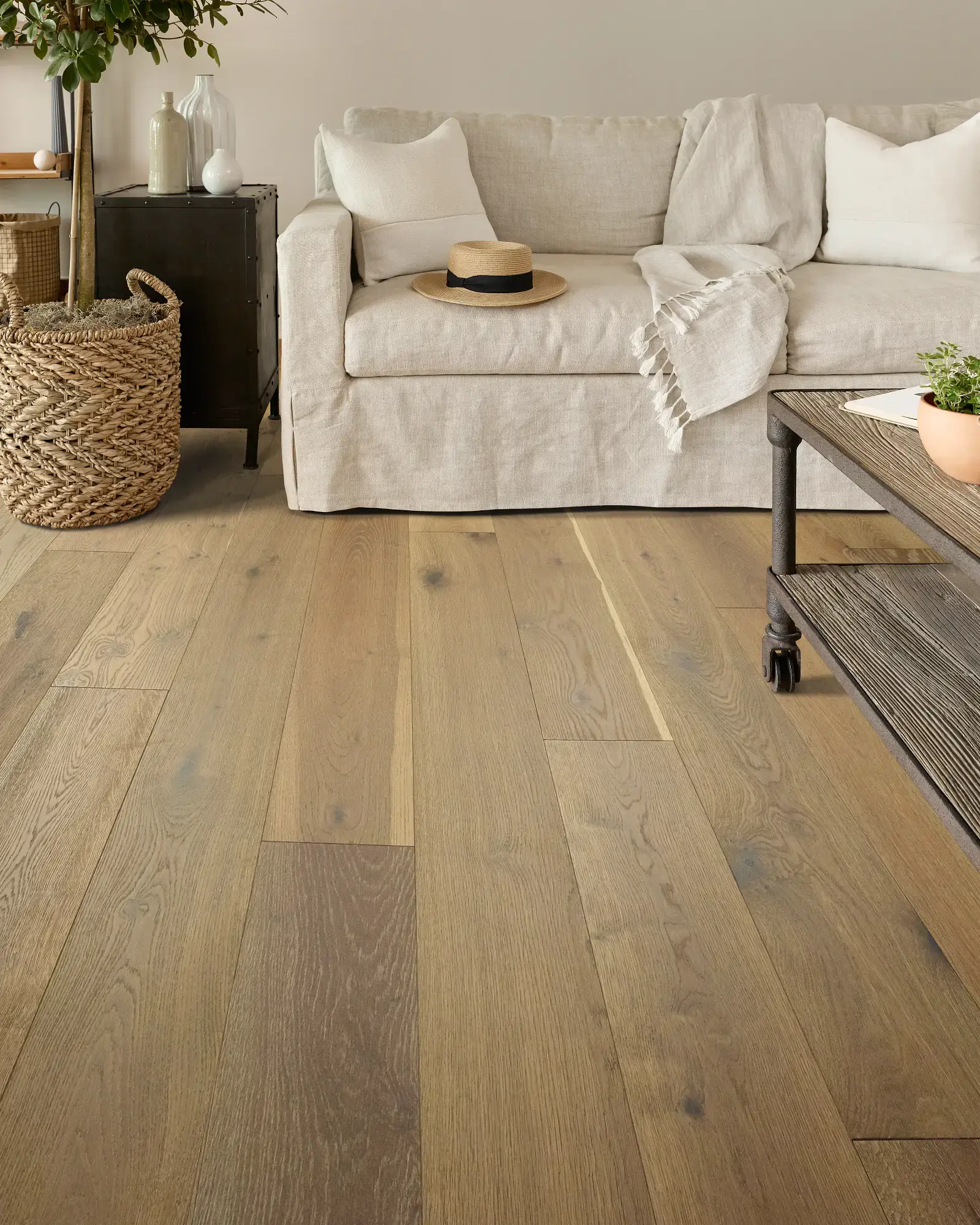
Living Room Hardwood
Warm, classic hardwood that anchors your main living spaces.
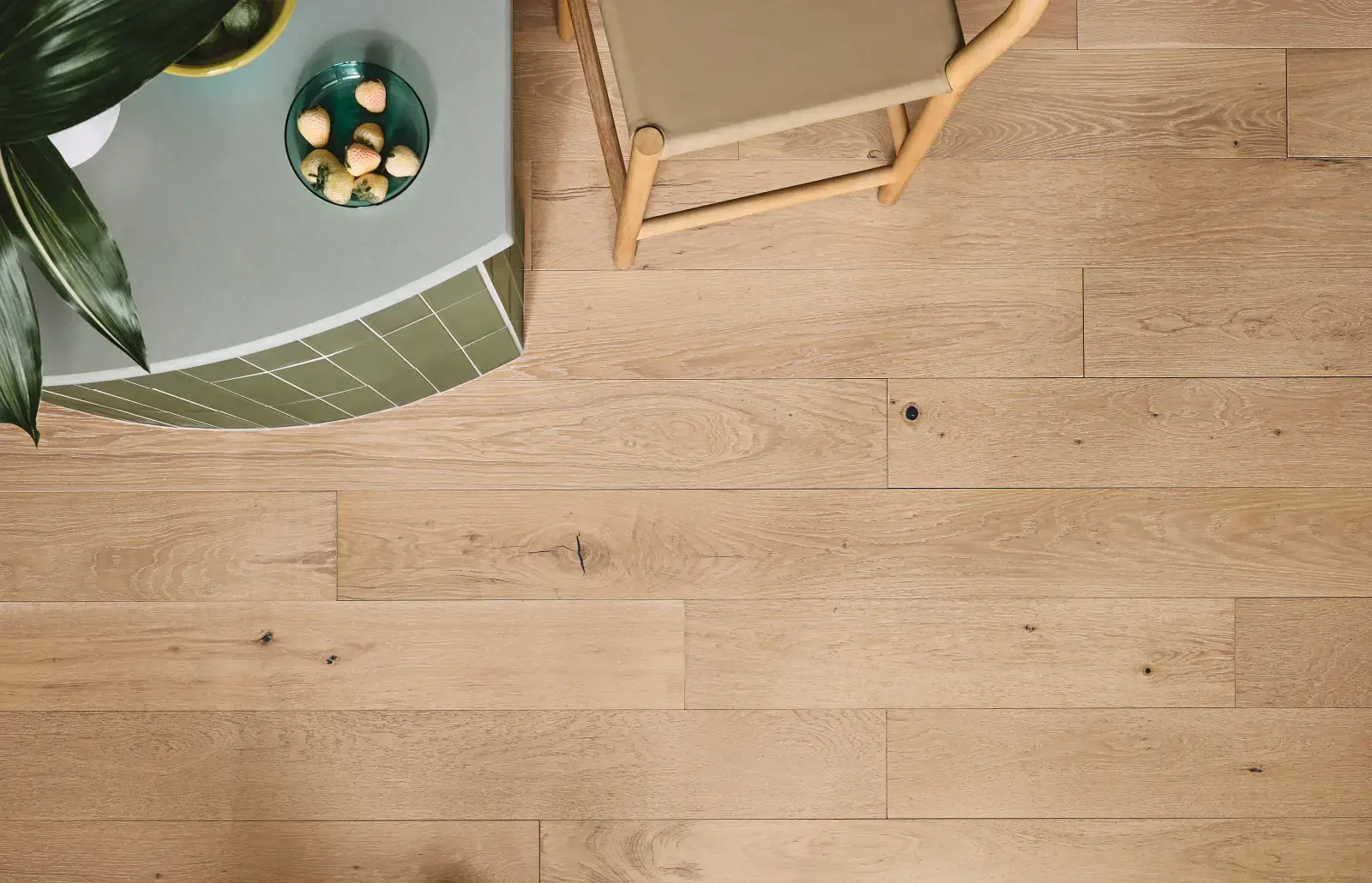
Hardwood Repair
Board replacement, gap filling, and patch repairs done right.
Hardwood Guide
Ready to Have New Solid Hardwood Floors Installed in Your Amador County Home?
Solid hardwood flooring is milled from a single piece of wood, top to bottom. Every plank is one species, one grain, and one continuous slab of timber, with no plywood core, no fiberboard backing, and no veneer layer. That construction is what separates solid hardwood from every other product in the wood-floor category and why it remains the long-haul investment choice for living rooms, dining rooms, hallways, and bedrooms in homes built to last generations. Amador County homeowners across Sutter Creek, Jackson, Pine Grove, Pioneer, and Volcano choose solid oak, maple, hickory, and walnut when they want a floor that ages with character, holds resale value, and can be brought back to new with sanding and refinishing decades into its life.
Read the full hardwood guideShow less
Solid hardwood is most commonly sold in 3/4-inch thickness, with thinner 5/16-inch and 1/2-inch profiles available for retrofit installations where floor height matters. Plank widths run from traditional 2-1/4 inch strip flooring (the standard in homes built before 1980) through 3 and 4 inch widths into wide-plank 5-inch boards, with wider planks generally reserved for engineered construction because solid wood moves too much with humidity at greater widths. Common species and their Janka hardness ratings include red oak (1290), white oak (1360), maple (1450), hickory (1820), walnut (1010), and cherry (950), with higher Janka numbers indicating greater dent resistance. Edge profiles vary from square edge (a tight modern look where the floor reads as one continuous surface) to micro-bevel (a slight V-groove that highlights each plank and hides minor height variation). Planks ship either site-finished (sanded and finished after installation, which produces the smoothest floor and allows custom stain colors) or pre-finished (factory-finished with aluminum-oxide topcoats that resist scratches better than most site-applied finishes). The defining feature of solid hardwood is refinishability. A 3/4-inch plank has roughly 1/4 inch of usable wear depth above the tongue, which supports four or five full sand-and-refinish cycles across its life. That refinishing depth is why solid hardwood floors routinely last fifty to one hundred years and outlast the home they were installed in. The trade-off is humidity sensitivity. Solid wood expands and contracts seasonally, which is why it installs above grade on plywood subfloors with nail-down or staple-down methods and is not recommended below grade, directly over concrete slabs, or over radiant heat without significant moisture management. If you need a wood look in those conditions, engineered hardwood was developed specifically to solve solid's humidity problem with a cross-grain plywood core. For everywhere else in a home built to last, solid wins on character, refinishing depth, and resale value compared to every other product in the hardwood category. Visit our Sutter Creek showroom to handle 3/4-inch solid samples in red oak, white oak, maple, hickory, and walnut side by side under real lighting before you commit.
Ready to Transform Your Home?
Get a free estimate from our experienced team. We've been helping Gold Country homeowners since 1976.